The Hormuz Breakthrough: Jag Vikram Signals New Era of Maritime Stability
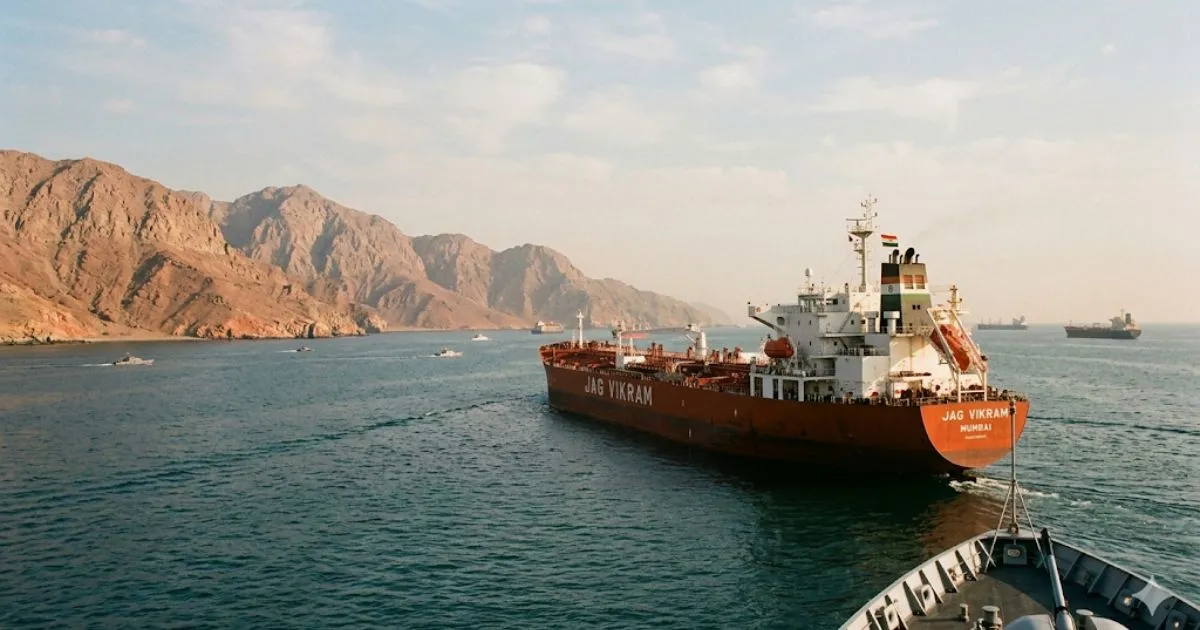
The maritime world watched with bated breath early this morning as the Jag Vikram, an Indian-flagged Suezmax tanker, safely navigated the Strait of Hormuz. While a single transit is usually routine, this voyage marks a seismic shift in global geopolitics: it is the first commercial vessel to cross the world’s most sensitive chokepoint since the signing of the temporary two-week ceasefire between the United States and Iran.
Table of Contents
Why the Jag Vikram Transit Matters
The Strait of Hormuz is the jugular vein of the global energy trade, with roughly 21 million barrels of oil per day—about 20% of global consumption passing through its narrowest point of just 21 miles. For months, “shadow warfare” and tanker seizures had pushed insurance premiums to record highs and rerouted global trade.
The Jag Vikram’s successful passage acts as the “canary in the coal mine” for the ceasefire’s viability:
- Proof of Concept: It confirms that both Washington and Tehran are currently honoring the “non-interference” clause of the truce.
- India’s Neutral Pivot: The choice of an Indian vessel is significant. India’s strategic autonomy and strong ties with both nations make it the ideal “icebreaker” to test these new waters without triggering immediate defensive posturing.
- Market De-escalation: Brent Crude futures saw an immediate 1.8% softening upon confirmation of the transit, signaling a desperate market hope that the two-week window might lead to a permanent de-escalation.
The Anatomy of the Ceasefire
This temporary truce wasn’t born of sudden friendship, but of mutual exhaustion. The framework rests on three fragile pillars:
| Pillar | Focus | The Compromise |
| Maritime Corridor | Strait of Hormuz | Iran halts “compliance inspections” (seizures) in exchange for the U.S. freezing naval “patrol surges.” |
| Sanctions Relief | Humanitarian Access | The U.S. has granted a 14-day waiver for specific Iranian medical and agricultural exports. |
| Regional Proxy Freeze | Conflict Zones | A gentleman’s agreement to pause escalation in Yemen and Iraq for the duration of the talks. |
The Countdown: What Happens Next?
With only 12 days remaining in this “cooling-off” period, the Jag Vikram is just the beginning. The global community is now looking for a “vessel surge” a significant increase in traffic that would prove the maritime industry trusts this fragile peace.
The Critical Milestone: If the U.S. and Iran can transition from this “tactical pause” to a formal “maritime safety protocol” before the 14-day clock runs out, we could see the most significant stabilization of energy prices in a decade.
However, the risk remains. A single miscommunication or a rogue drone launch could shatter the ceasefire instantly. For now, all eyes remain on the GPS coordinates of the tankers following in the Jag Vikram’s wake.