Ladakh 2026: The Definitive Guide to the Land of High Passes
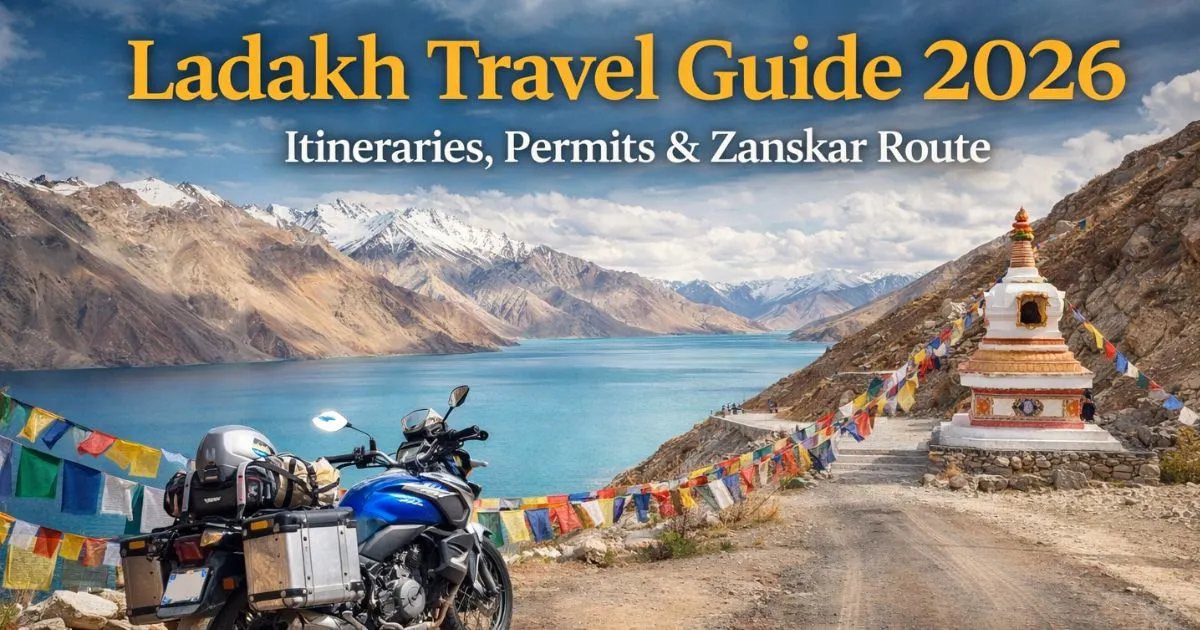
Ladakh is no longer just a “bucket list” item for rugged bikers; in 2026, it has transitioned into a sophisticated frontier for sustainable adventure, spiritual tourism, and high-altitude luxury. Sitting at an average elevation of 11,500 feet, this region requires more than just a plane ticket—it requires a tactical approach to physiology, logistics, and cultural respect.
Table of Contents
1. The 2026 Landscape: What has Changed?
In 2026, Ladakh is no longer the “off-the-beaten-path” secret it was a decade ago. It has matured into a region that balances massive infrastructure growth with some of the strictest environmental regulations in India.
If you haven’t visited in the last few years, the logistics and “vibe” of the landscape have shifted in three fundamental ways.
The Big Three Shifts
1. The Sustainability Mandate (Plastic-Free Zones)
Ladakh has become a laboratory for high-altitude environmentalism. In 2026, the ban on single-use plastic water bottles is strictly enforced at every military and civil checkpoint.
- The New Norm: You’ll find “Ladakh Water” stations in every major village (Leh, Hunder, Diskit, Pangong). Travelers now carry high-quality insulated flasks and refill for a nominal fee (usually ₹10-20), drastically reducing the 30,000+ plastic bottles that used to be discarded daily.
2. The Zanskar Revolution (Connectivity)
For decades, Zanskar was the “isolated frontier,” reachable only by a grueling two-day drive or the winter Chadar trek.
- What’s New: With the completion of the Shinku La tunnel and the Nimmu-Padam-Darcha (NPD) road, Zanskar is now a year-round destination. You can now drive from Manali to Padum in a single day. This has shifted the “adventure capital” of Ladakh from the Nubra Valley toward the more rugged, untouched Zanskar circuit.
3. The Digital Inner Line Permit (e-ILP)
The days of standing in line at the Leh DC office are over.
- The System: The e-ILP portal is now fully integrated with Aadhaar and biometric data. Once you apply online, your permit is a QR code on your phone. Army checkpoints at North and South Pullu now use high-speed scanners, meaning the “stop and entry” process that used to take 20 minutes now takes about 30 seconds.
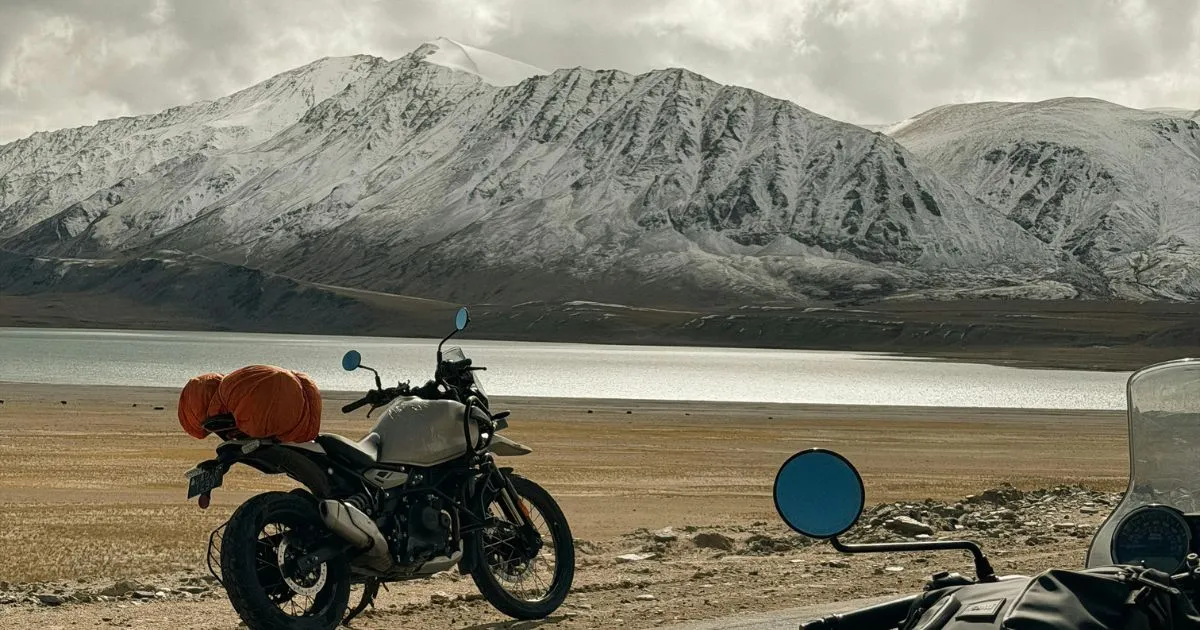
Leh Bike Rental Guide 2026: Zanskar Route & Costs
Planning a Ladakh bike trip? Discover updated rental prices, best bikes for Zanskar, and essential tips to ride safely in 2026.
Read Full Guide →2026 Travel Logistics at a Glance
| Feature | Status in 2026 | Impact on You |
| Connectivity | 5G available in Leh and most of Nubra | Easier remote work, but less “unplugged” feel. |
| Fuel | New solar-powered stations in Hanle and Padum | No more carrying 20L jerry cans of diesel. |
| Pangong Access | Strictly regulated “Zero Waste” camps | You must book registered eco-stays; wild camping is heavily fined. |
| Electric Vehicles | 40% of taxi fleet is now EV | Quieter roads and subsidized green-travel rates. |
Expert Tip: Because of the new roads, “The Grand Circuit” (Manali → Leh → Srinagar) is smoother than ever, but the increased traffic means you must book your Hanle and Zanskar stays at least 3 months in advance.
2. Tactical Acclimatization: The Science of Survival
When you fly into Leh (11,500 ft), you aren’t just changing locations; you’re subjecting your body to a significant physiological stress test. At this altitude, the “effective oxygen” in the air is only about 60–65% of what you find at sea level.
Ignoring this transition is the #1 reason travelers end up in the hospital in Ladakh. Here is the physiological breakdown of how to survive and eventually enjoy the thin air.
The 48-Hour Physiological Shift
Acclimatization isn’t just “getting used to it.” It’s a literal change in your blood chemistry.
When your brain senses low oxygen, it triggers the kidneys to release Erythropoietin (EPO), which signals your bone marrow to produce more red blood cells (RBCs). This process takes roughly 48 hours to start and up to two weeks to optimize. During those first two days, your heart rate increases by 20–30% just to maintain baseline oxygen delivery.
1. The 48-Hour Hard Rest
Arrival Days
Stay in your hotel room. Do not walk to the market; do not “explore” the local cafe. Your heart is already working like you’re on a light jog while you’re sitting still. Give it time to stabilize.
2. The ‘Climb High, Sleep Low’ Protocol
Day 3 & 4
Drive or hike to a higher point during the day (like a monastery at 12,500 ft) to stress the system, but always return to Leh to sleep. Your body does 90% of its acclimatizing while you sleep; don’t make it do that at 14,000 ft until you’re ready.
3. Hydration Management
The 3-Liter Rule
The air in Ladakh is incredibly dry, and your breathing rate is higher, leading to massive fluid loss through exhalation. Drink 3–4 liters of water daily, but supplement with electrolytes (ORS) to prevent sodium depletion.
Red Flags: AMS vs. HAPE
It’s normal to have a slight headache or feel winded walking up stairs. It is not normal to experience the following “Red Flags.” If these occur, you must descend immediately.
| Condition | Symptoms | Action Required |
| Mild AMS | Headache, nausea, fatigue, loss of appetite. | Stop ascending. Rest, hydrate, and take Diamox if prescribed. |
| HAPE | Extreme breathlessness at rest, rattling sound in chest, blue lips. | Emergency. Immediate descent and oxygen are mandatory. |
| HACE | Confusion, stumbling (ataxia), behaving like you’re drunk. | Emergency. This is brain swelling. Descend immediately. |
The Alcohol Warning: Avoid alcohol for at least the first 72 hours. Alcohol is a respiratory depressant; it slows down your breathing at night, which is when your oxygen saturation already naturally dips to its lowest point.
Prophylactics: Should you take Diamox?
Many doctors prescribe Acetazolamide (Diamox). It works by acidifying the blood, which stimulates the brain to breathe faster, especially during sleep.
- The Side Effect: Be prepared for frequent urination and a harmless tingling sensation in your fingers and toes.
- The Carbonation Trick: Diamox changes how your tongue perceives CO2; sodas and beer will taste “flat” or metallic while you’re on it.
3. Destination Deep-Dive: The 2026 Circuit
I. The Nubra Valley & Siachen Frontier
Nubra remains the favorite for its sheer variety—ranging from sand dunes to glacial rivers. However, the focus has shifted further north toward the border territories.
- Turtuk & Thang: Turtuk is a cultural anomaly—a Balti Muslim village that was part of Pakistan until 1971. In 2026, it is the center for “Border Tourism,” where you can visit Thang, the northernmost point of India, and look directly across the Line of Control.
- The Siachen Base Camp: Once entirely restricted, the base camp of the world’s highest battlefield is now accessible to civilians with specific permits. It is a sobering, high-intensity visit that requires being in peak physical condition.
- Hunder Sand Dunes: Famous for the double-humped Bactrian camels.2026 Tip: To avoid the massive tourist crowds, head to the lesser-known dunes of Sumur for a much quieter sunset experience.
II. Hanle: India’s First Dark Sky Reserve
While Pangong Tso remains the “Instagram Capital,” Hanle has become the intellectual and spiritual soul of Ladakh travel.
- Astrotourism: Because of its high altitude (14,000+ ft), dry air, and zero light pollution, Hanle is home to the Indian Astronomical Observatory.
- The Experience: You aren’t just looking at stars; you are seeing the Milky Way with enough clarity to cast a faint shadow. Specialized “Astro-stays” now provide telescopes and expert-led stargazing sessions.
- Logistics: Hanle is remote. There are no luxury hotels here—only homestays that offer a raw, authentic look into the lives of the Changpa nomads.
III. The Zanskar Revolution
The biggest shift in 2026 is the accessibility of Zanskar. What used to be a grueling 2-day journey from Leh is now a spectacular entry point from the south.
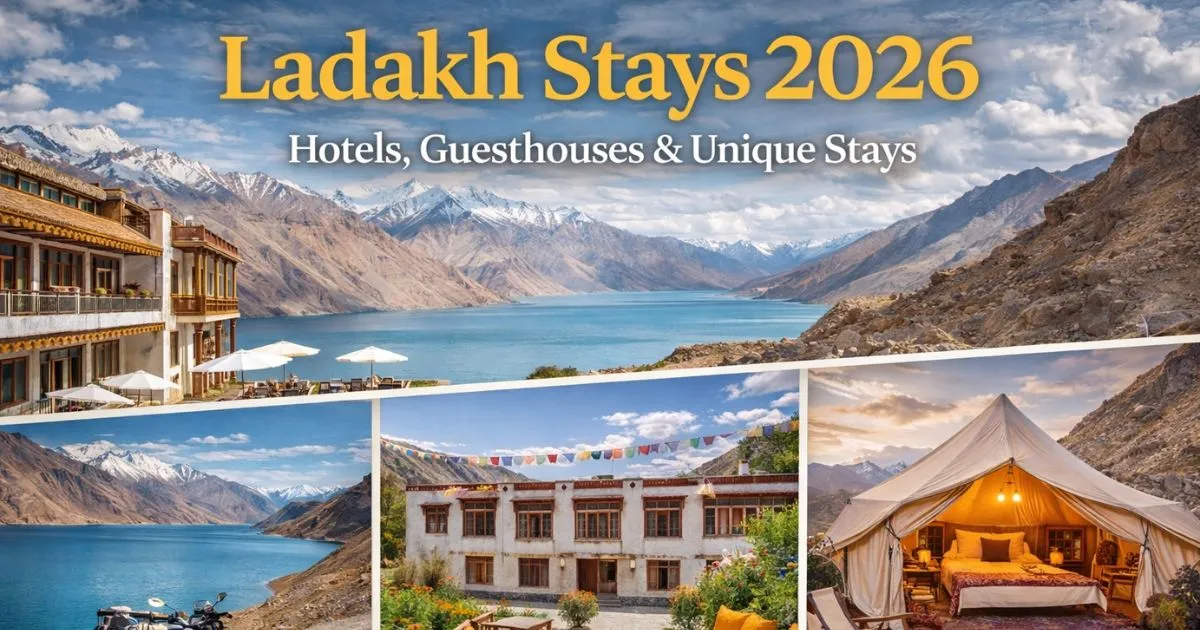
Ladakh Homestays & Glamping: Unique Stays Guide 2026
From cozy village homestays to luxury glamping camps, explore the most unique ways to experience Ladakh’s culture, comfort, and breathtaking landscapes.
Explore Stays →| Destination | Why it’s a 2026 Essential |
| Phugtal Monastery | A “honeycomb” monastery built into a massive cave mouth. It still requires a short trek, keeping its spiritual atmosphere intact. |
| Gonbo Rangjon | Known as the “God’s Mountain,” this massive standalone peak is the most photographed spot in the Zanskar circuit. |
| Padum | The valley’s hub. In 2026, it serves as the base for the newly opened Shinku La pass road, connecting Ladakh directly to Lahaul in Himachal Pradesh. |
The “Hanle Permit” Warning: Even with the digital e-ILP, Hanle has a strict daily cap on visitors to maintain its Dark Sky status. If you plan to visit, ensure your permit is secured at least 3 weeks before your travel date.
4. Seasonal Strategy & Packing List
In 2026, the traditional “May to September” window has shifted slightly due to changing weather patterns and better road infrastructure.
| Season | Climate | Pros / Cons |
| Early Summer (May – June) | 40°F to 75°F (4°C to 24°C) | Pros: Massive snow walls on Rohtang and Khardung La. Cons: Roads can be muddy from snowmelt; some passes may close intermittently. |
| High Summer (July – Aug) | 50°F to 85°F (10°C to 30°C) | Pros: Warmest weather; all internal roads open. Cons: Monsoon in the lower Himalayas (Manali/Srinagar) can cause landslides on the way in. |
| Autumn (Sept – Oct) | 30°F to 65°F (-1°C to 18°C) | Pros: The most stable weather. Clear blue skies, yellow poplars, and incredible visibility for photography. Cons: Night temperatures drop below freezing. |
| Winter (Dec – Feb) | -20°F to 25°F (-29°C to -4°C) | Pros: Snow leopards and the Chadar Trek. Cons: Extreme survival conditions; only Leh is partially functional. |
The “3-Layer” Packing Philosophy
Don’t pack one heavy coat. Pack layers. This allows you to add or remove clothing as you move from the hot valleys to the freezing mountain passes.
Layer 1: The Base (Moisture Management)
Avoid cotton at all costs—it stays wet when you sweat, which leads to chills.
- Merino Wool or Synthetic Thermals: These wick sweat away from your skin.
- Heavy-duty socks: Bring at least 3 pairs of wool-blend hiking socks.
Layer 2: The Mid (Insulation)
This layer traps your body heat.
- Down Jacket or Heavy Fleece: A lightweight “puffer” jacket is the traveler’s best friend here. It’s compressible and highly efficient.
Layer 3: The Shell (Protection)
- Windbreaker/Raincoat: Even if it doesn’t rain, the wind at 17,000 feet will cut through a fleece. You need a GORE-TEX or similar outer layer to stop the wind chill.
The Essential Tech & Med Kit
1. Sun Armor
Crucial for high UV
The sun is 30% stronger here than at sea level. You need SPF 50+ sunscreen, polarized sunglasses (to prevent snow blindness), and a wide-brimmed hat.
2. Medical Essentials
Beyond the basics
Pack Diamox (for altitude), ORS/Electrolytes (to prevent dehydration), and a portable Pulse Oximeter. In 2026, many hotels provide oxygen, but knowing your saturation levels helps you decide when to seek help.
3. Logistics
Connectivity & Cash
Bring a Power Bank (cold drains batteries 2x faster). While UPI is common in Leh, carry at least ₹10,000 in cash for remote areas like Hanle or Zanskar where networks fail.
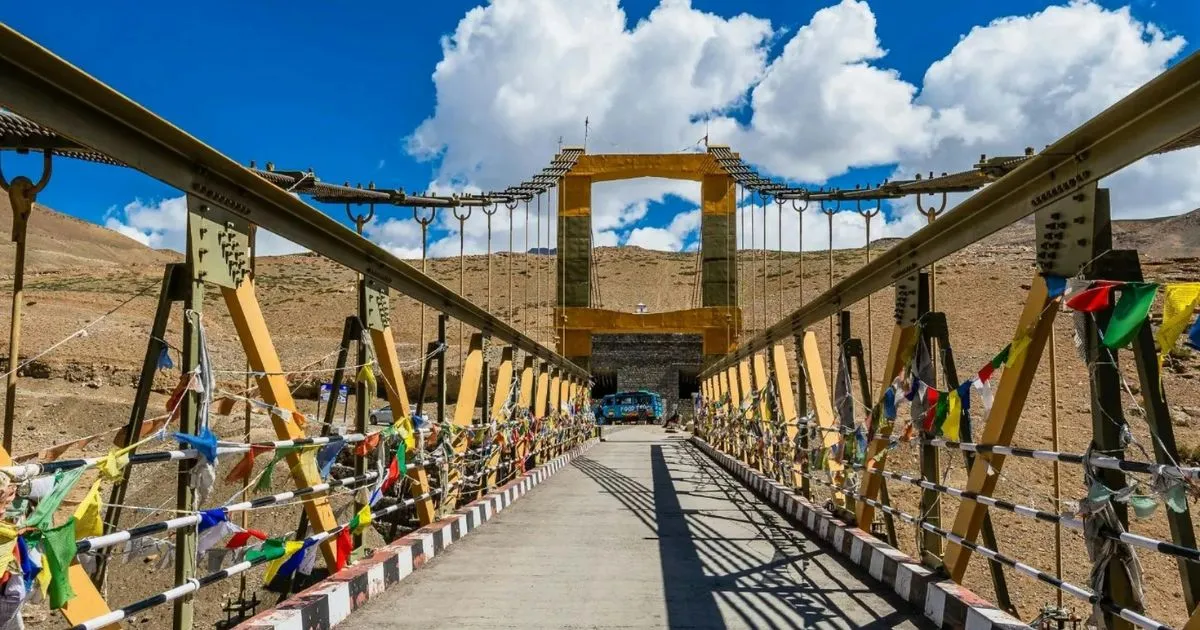
Ladakh Zanskar Itinerary 2026: Complete Route Guide
Plan your ultimate Ladakh adventure with a complete Zanskar itinerary—routes, travel tips, and must-visit stops for a seamless 2026 journey.
Read Full Itinerary →A Note on 2026 Gear: Most high-end trekking agencies in Leh now offer “Gear Rental” programs. Instead of buying expensive -20°C jackets for a one-time trip, you can rent professionally cleaned, high-altitude gear in Leh market for roughly ₹500/day.
| Season | Temp (High/Low) | Best For |
| Summer (June-Aug) | 25°C / 10°C | Road trips, biking, and full accessibility. |
| Shoulder (Sept-Oct) | 15°C / -2°C | Photography (autumn colors) and fewer crowds. |
| Winter (Dec-Feb) | -5°C / -25°C | The Chadar Trek and spotting Snow Leopards. |
The “Must-Pack” List:
- Layers: A moisture-wicking base, a down mid-layer, and a windproof shell.
- Sun-Armor: SPF 50+, polarized sunglasses (essential for snow blindness), and lip balm with SPF.
- Medical Kit: Diamox (consult a doctor), ORS packets, and a portable pulse oximeter.
5. Cultural Etiquette: Being a “Smart” Traveler
1. Navigating Sacred Spaces
When you encounter religious structures, your physical movement matters as much as your behavior.
- The Clockwise Rule: Always walk around Stupas (chortens), Mani walls (stone carvings), and prayer wheels in a clockwise direction. This follows the path of the sun and is a sign of respect for the natural order.
- Prayer Wheels: If you choose to spin a prayer wheel, do so clockwise with a steady, gentle motion. It is believed that spinning the wheel sends prayers out into the universe.
- Mani Stones: Never sit on or step over Mani stones. These are sacred carvings, often centuries old, and are treated with the same reverence as a holy book.
2. Monastery (Gompa) Protocol
Monasteries are active places of worship and education, not just museums.
- Dress Code: Modesty is mandatory. Both men and women should keep shoulders and knees covered. Avoid wearing hats or sunglasses inside the prayer halls.
- The “No Photo” Rule: While you can usually photograph the exterior and courtyards, photography is strictly forbidden inside the inner sanctums (the Dukhang). The flash can damage ancient frescoes, and the act itself is seen as disruptive to the monks’ meditation.
- Donations: If you wish to contribute, there is usually a small donation box (Vajra) near the altar. Even a small amount is appreciated and helps with the upkeep of these remote structures.
3. Social & Environmental Ethics
Ladakhis are known for their warmth, but they value their privacy and the purity of their land.
| Do | Don’t |
| Use “Julley”: This one word means Hello, Goodbye, and Thank You. Use it often. | Distribute Sweets/Pens: It encourages a culture of begging among local children. |
| Ask before Photos: Always ask for permission before taking a close-up portrait of locals. | Litter: Even biodegradable waste takes years to decompose in the dry, cold air. |
| Support Local: Eat at family-run homestays rather than large international chains. | Waste Water: Water is a scarce resource in this high-altitude desert. |
The “Silent” Monks: If you see a monk in deep meditation or chanting, do not interrupt for a photo or a question. Observe from a distance. The silence of a monastery is as much a part of its beauty as its architecture.
The key to a successful journey in this new era isn’t just about reaching the destination; it’s about respecting the three pillars of high-altitude travel:
- Physiology: Never cheat your acclimatization. Those first 48 hours in Leh are the foundation of your entire trip.
- Sustainability: Embrace the “Julley” spirit by leaving no trace, using refillable water stations, and supporting the local homestay economy.
- Geography: Look beyond the “Instagram hits.” While Pangong is beautiful, the true soul of 2026 Ladakh lies in the dark skies of Hanle and the rugged, newly opened valleys of Zanskar.
One final tip: Pack for four seasons every single day. The Himalayan sun can burn you at noon, while the wind chill can bring you to a shiver by 4 PM.
Ladakh doesn’t change for you; you change for Ladakh. If you go with patience and preparation, it remains the most transformative landscape in the world.
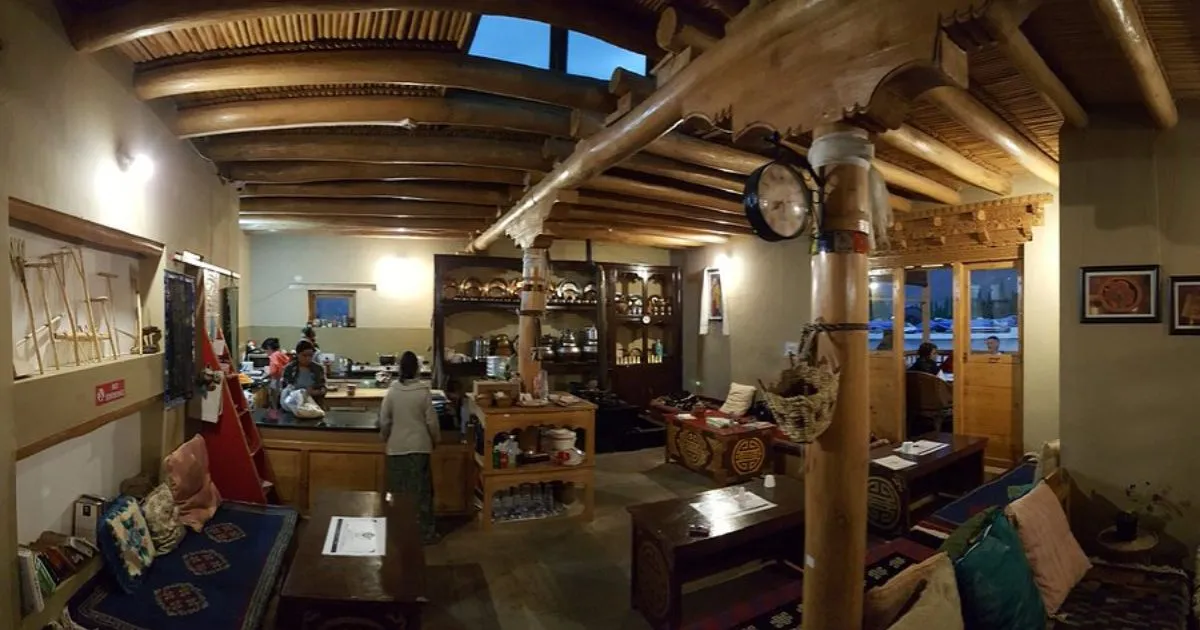
Best Restaurants in Leh 2026: Complete Food Guide
From authentic Ladakhi cuisine to cozy cafés and global flavors, discover the best places to eat in Leh for an unforgettable 2026 food experience.
Explore Restaurants →