Minimalist Fashion for Indian Women: How to Look Elegant Every Day
(A Practical Guide to Simplicity, Confidence, and Timeless Style)
Minimalist fashion is often misunderstood in India.
Many women assume it means wearing dull colours, giving up traditional clothing, or dressing “plain.” In reality, minimalist fashion for Indian women is not about less beauty—it is about less noise.
It is a way of dressing that feels calm, intentional, and effortless, while still respecting Indian lifestyles, climates, and cultural contexts.
At its core, minimalist fashion is not a trend.
It is a decision-making system.
What is minimalist fashion for Indian women?
Minimalist fashion for Indian women focuses on wearing fewer but better-quality clothes that suit the climate, body type, and lifestyle. It prioritises fit, neutral colours, repeatable outfits, and timeless silhouettes over fast-changing trends.
Why Minimalist Fashion Is Gaining Popularity Among Indian Women
Indian women today juggle multiple roles professional, personal, social, and familial often within the same day. Dressing up becomes less about expression and more about adjustment.
Minimalism simplifies this.
Women who adopt minimalist fashion often report:
- Less decision fatigue
- More confidence in daily dressing
- Reduced shopping guilt
- A stronger sense of personal identity
This shift is not accidental. It reflects a deeper psychological need for clarity and control.
Minimalism Is About Repetition, Not Restriction
One of the biggest myths around minimalism is that it limits choice. In reality, it reduces unnecessary choice.
Minimalist women repeat:
- Similar silhouettes
- Familiar colour combinations
- Trusted fabrics
This repetition creates consistency and consistency is what people perceive as style.
This is closely linked to how to build a signature style that never goes out of fashion, where repetition is not laziness, but confidence.
The Indian Climate Demands Practical Minimalism
Minimalist fashion in India must be climate-aware.
Our weather makes heavy layering, synthetic fabrics, and high-maintenance clothing impractical for daily life. A sustainable minimalist wardrobe prioritises:
- Cotton and linen for everyday wear
- Breathable blends for workwear
- Lightweight layering for air-conditioned spaces
- Comfortable footwear that supports long hours
Minimalism that ignores climate never lasts.
Colours That Work Best for Minimalist Indian Wardrobes
Minimalist wardrobes are colour-disciplined, not colourless.
For Indian skin tones, timeless colours include:
- Ivory and off-white
- Beige and camel
- Olive and muted greens
- Rust, maroon, and deep brown
- Navy and charcoal
These colours:
- Mix easily
- Photograph well
- Age gracefully
- Work across seasons
This is why many minimalist wardrobes quietly echo why some women always look classy without wearing designer clothes—the colour palette does half the work.
Silhouettes That Define Minimalist Elegance
Minimalist fashion relies heavily on fit and silhouette.
For Indian women, flattering minimalist silhouettes often include:
- Straight-cut or slightly tailored kurtas
- A-line dresses
- Well-fitted trousers
- Structured blouses
- Soft drapes with clean lines
Instead of chasing variety, minimalist women refine what works and repeat it with confidence.
Why Tailoring Is Essential for Minimalist Style
Because minimalist outfits are simple, fit becomes non-negotiable.
Loose but intentional tailoring looks elegant. Loose and careless tailoring looks unfinished.
Tailoring helps:
- Improve posture
- Elevate simple fabrics
- Make repeat outfits look deliberate
This is one of the quiet reasons minimalist women are often taken more seriously in professional settings.
Accessories: Minimal, But Intentional
Minimalist fashion does not eliminate accessories—it curates them.
A strong minimalist wardrobe usually includes:
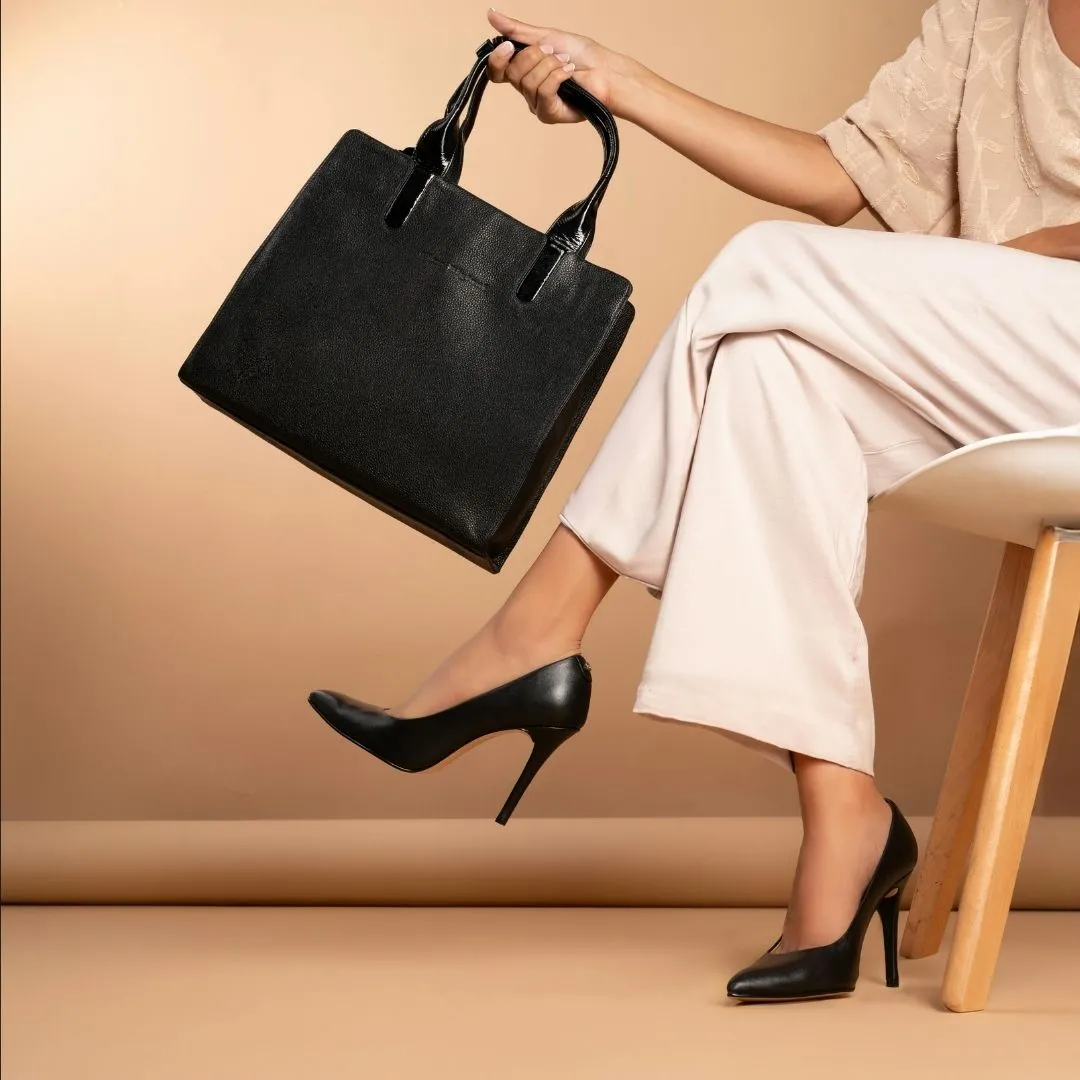
- One everyday handbag
- One formal or work bag
- Simple jewellery worn regularly
- Neutral footwear that pairs with most outfits
Instead of matching accessories to outfits, minimalist women match outfits to accessories.
The Psychological Power of Minimalist Dressing
Minimalism is not only aesthetic—it is emotional.
Women who dress minimally often feel:
- More grounded
- Less performative
- Less reactive
- More confident
This inner calm directly affects how they are perceived.
It connects deeply with why calm women are perceived as more powerful, because reduced external noise supports internal regulation.
Minimalism vs Trends: Why One Lasts and the Other Exhausts
Trends demand constant updating.
Minimalism demands self-awareness.
Trends focus on:
- External validation
- Social comparison
- Rapid consumption
Minimalism focuses on:
- Internal alignment
- Practicality
- Longevity
This is why women who embrace minimalist fashion often spend less money over time, yet appear more polished.
Minimalist Fashion Does Not Mean Giving Up Indian Wear
This is crucial.
Minimalism is not Westernisation.
A minimalist Indian wardrobe can include:
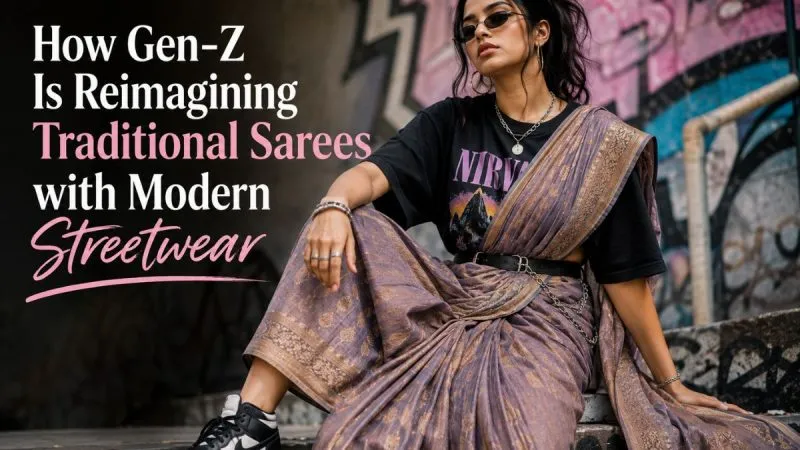
- Sarees in neutral tones
- Handloom kurtas
- Simple salwar sets
- Dupattas used intentionally
The key is restraint, not replacement.
How to Start Minimalist Fashion Without Buying Anything New
You do not need a shopping trip to start.
Begin by:
- Identifying your most worn outfits
- Noticing repeated colours and fits
- Removing items you never reach for
- Creating 5–7 reliable outfit combinations
Minimalism begins with awareness, not purchases.
Final Thought
Minimalist fashion for Indian women is not about looking less.
It is about feeling more secure in fewer choices.
When a woman simplifies her wardrobe, she often simplifies her life and that clarity reflects outward.
Minimalism is not emptiness.
It is intention.
FAQ
Q 1: Is minimalist fashion suitable for Indian women?
Yes. Minimalist fashion adapts well to Indian climates and lifestyles by focusing on breathable fabrics, neutral colours, and versatile silhouettes that work across occasions.
Q 2: Does minimalist fashion mean giving up traditional Indian clothing?
No. Minimalist fashion can include sarees, kurtas, and Indian wear. The key is choosing timeless designs, quality fabrics, and restrained styling rather than excessive embellishment.