Nostalgia Marketing in Bollywood 2026: The New Box Office Safety Net
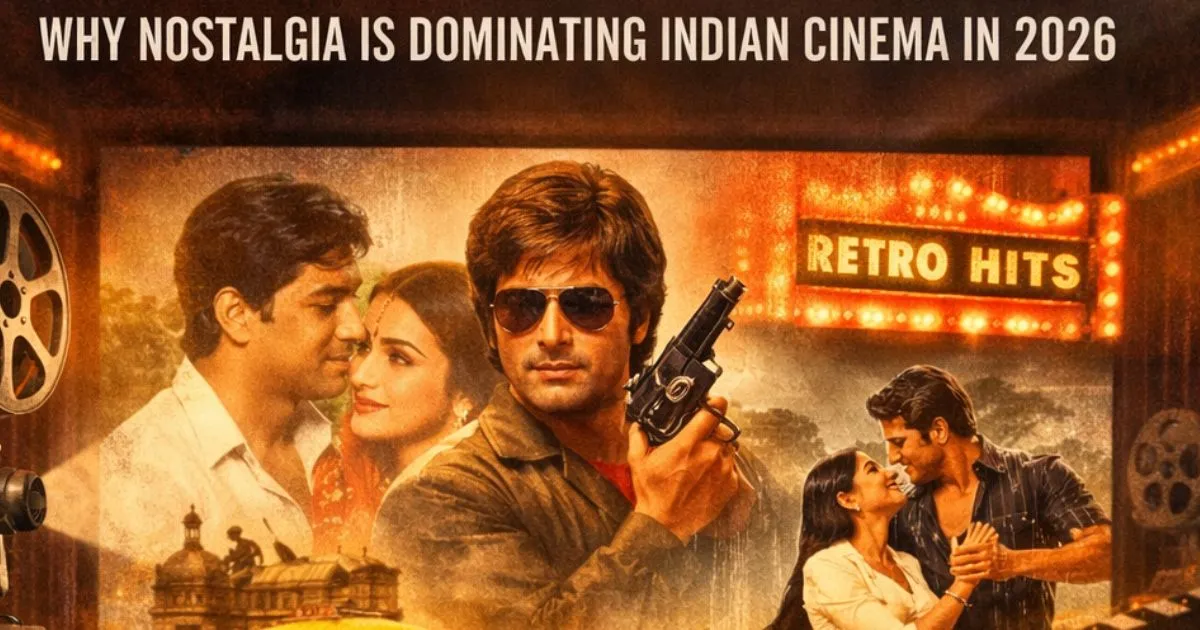
The dominance of nostalgia marketing in 2026 isn’t just a trend; it’s a strategic retreat to “safety” in an era where the Indian theatrical landscape has become increasingly volatile.
While big-budget “Pan-India” epics dominated the early 2020s, they often came with a massive risk profile. By 2026, the industry has pivoted toward a model that prioritizes guaranteed emotional resonance over experimental storytelling.
Table of Contents
The “Safety” of the Familiar
The primary driver of nostalgia marketing in 2026 is risk mitigation. When Akshay Kumar announces a return to the “Bhooth Bangla” style of comedy, he isn’t just picking a genre; he is activating a pre-installed fan base.
- Established IP (Intellectual Property): Studios are shifting away from standalone stories. They are mining the 2000–2015 era for “emotional sequels”—films that share the spirit and tone of classics like Hera Pheri or Welcome, even if the plots are fresh.
- The Comfort Loop: In an increasingly complex world, audiences use cinema as a “comfort food.” The return to slapstick or situational comedy provides an escape from the “genre fatigue” caused by years of dark, gritty crime thrillers and nationalist war epics.
The Multi-Generational Bridge
Nostalgia marketing in 2026 works because it targets two distinct high-spending demographics simultaneously:
- Millennials (The Nostalgia Drivers): This group grew up with the 2000s comedy wave. For them, seeing a favorite star return to their “roots” triggers a dopamine response linked to their youth.
- Gen Z (The Ironic Enthusiasts): Through “meme culture” and short-form video, younger audiences have discovered these older films. They don’t view them as “old movies” but as cultural landmarks. Marketing Bhooth Bangla in 2026 leverages the memes that kept Akshay Kumar’s older roles relevant on social media for the last decade.
Why 2026 is the “Perfect Storm”
Several specific factors have converged this year to make nostalgia the dominant marketing force.
| Factor | Impact on Cinema |
| Streaming Fatigue | High-concept “prestige” dramas are now seen as “OTT content.” Audiences only go to theaters for spectacle or shared communal joy (like laughter). |
| Algorithmic Marketing | Studios now use AI to track which vintage clips are trending on social media. If a 2007 comedy scene goes viral, a “spiritual successor” is greenlit within months. |
| Economic Hedging | With production costs at an all-time high, investors prefer “tested” archetypes over original screenplays. |
The “Star-Genre” Realignment
The 2026 trend is also a byproduct of stars reclaiming their “Power Zones.” For years, actors like Akshay Kumar, Salman Khan, and even younger stars like Varun Dhawan tried to reinvent themselves as gritty action heroes. However, the box office data of 2025 showed a clear preference for these stars in the genres that made them famous.
When a star returns to a beloved genre, the marketing writes itself. The trailer for Bhooth Bangla doesn’t need to explain the plot; it only needs to show a familiar smirk and a comedic timing that feels like “coming home.”
The Nostalgia Trap: The danger for 2027 and beyond is “diminishing returns.” If every film is a callback to the past, the industry risks losing the ability to create new memories for the next generation. For now, however, the “Yesterday” strategy is what’s keeping the lights on in today’s theaters.