Salasar Balaji Temple: History, Rituals, and Spiritual Significance
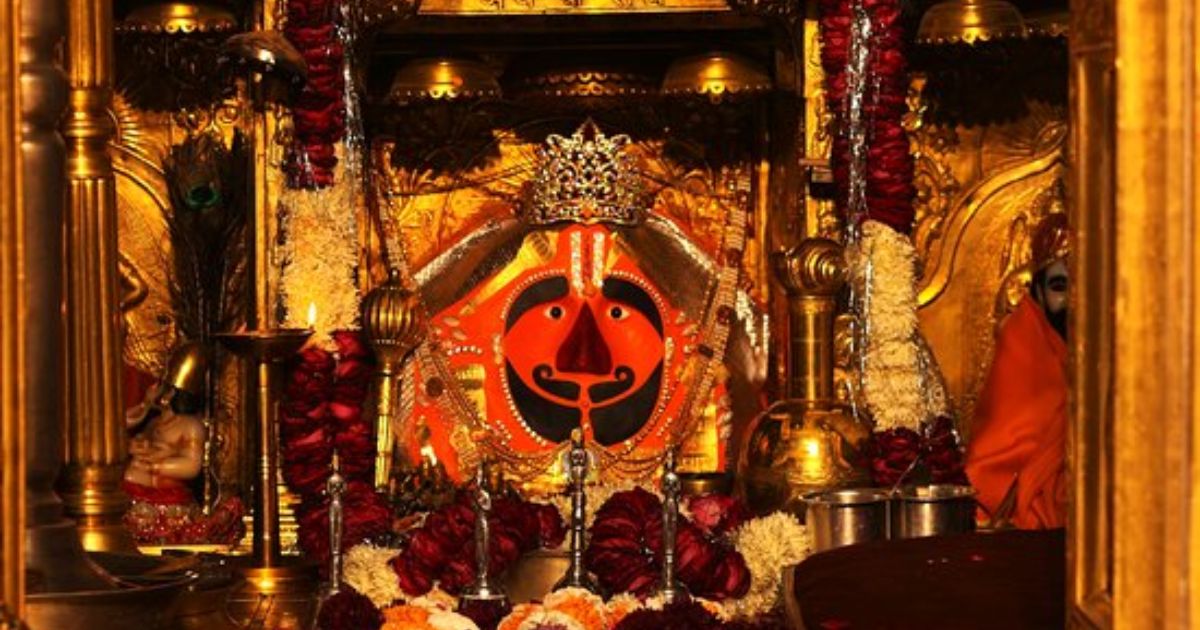
The Salasar Balaji temple in Rajasthan is more than a pilgrimage site; it is a spiritual powerhouse where the air itself feels thick with the presence of Hanuman. Known as the Swayambhu (self-manifested) temple, it holds a unique place in the hearts of millions as the only form of Hanuman depicted with a beard and mustache.
This is not just an article on a temple; it is a tribute to the “Siddhapitha” where faith is said to move mountains.
The Divine Manifestation
The story of Salasar Balaji is one of pure, unadulterated devotion. In 1754 AD, a farmer in the village of Asota was plowing his field when his plow struck an idol of Lord Hanuman. Simultaneously, a devout follower named Mohandas Maharaj had a vision that Hanuman would appear in Salasar.
The idol was brought to Salasar on a cart pulled by oxen, which stopped exactly where the temple stands today. This wasn’t a choice made by architects, but a location ordained by the deity himself.
Sacred Traditions and Rituals
The atmosphere at Salasar is defined by the rhythmic chanting of the Hanuman Chalisa and the deep crimson of vermillion (sindoor). Devotees believe that Balaji is “Jagrit” (awake and active), listening to every whisper of the heart.
- The Coconut Offering: The most iconic ritual involves tying a coconut with a red thread (moli) within the temple precincts. This acts as a “Mannat” (vow), symbolizing the surrender of one’s desires to the Lord’s will.
- The Eternal Dhuni: The sacred fire lit by Mohandas Maharaj over two centuries ago still burns today. The ash (Bhasma) from this fire is considered holy and is often taken home by devotees for protection and healing.
- Swayambhu Form: Unlike typical warrior depictions, the idol here is a round, serene face with a beard and mustache, representing Hanuman in a mature, wise, and deeply protective paternal form.
The Spiritual Journey
For the pilgrim, the journey usually begins in the early hours of the morning. The town of Salasar, located in the Churu district, transforms during the festivals of Chaitra Purnima and Ashwin Purnima.
| Aspect | Significance |
| The Deity | Hanuman as “Balaji,” the childhood form imbued with infinite strength. |
| The Vibe | Sattvic and intense; a mixture of bells, incense, and “Jai Shree Ram” echoes. |
| The Promise | Legend says no devotee leaves Salasar with an empty heart if their prayer is sincere. |
Why Salasar Moves the Soul
In a world of chaos, Salasar Balaji stands as a sentinel of stability. People come here not just for miracles, but for the profound sense of safety that Hanuman provides—the Sankat Mochan (remover of obstacles) who stands guard over his devotees. To visit Salasar is to remind oneself that even the smallest heart can hold the strength of a lion if it is filled with Rama’s name.