Bitter Soul of the Sadhya: Mastering Veppampoo Rasam in 2026
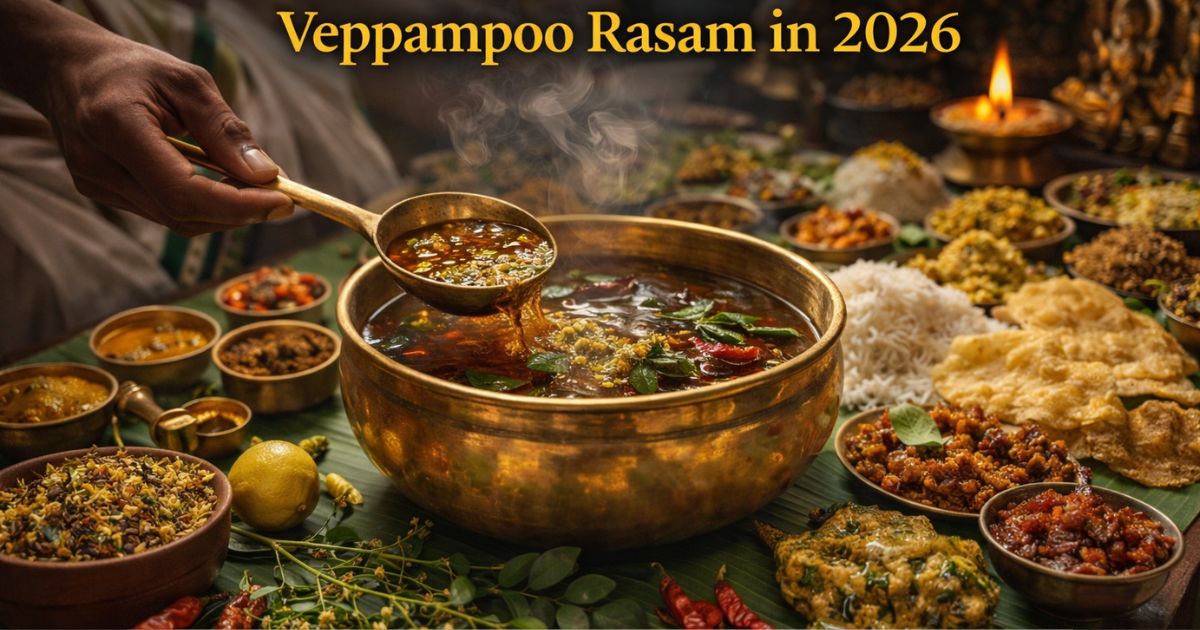
The Vishu Sadhya is a symphony of six tastes, but none are more medically significant than the bitter (Tikta). As the sun enters Aries on April 14, 2026, traditional Kerala kitchens are prioritizing Veppampoo Rasam—a thin, spicy, and nutty soup made from dried neem flowers. While neem is famous for its medicinal intensity, the magic of this dish lies in transforming that intensity into a sophisticated, aromatic experience.
Table of Contents
The Ayurvedic “Summer Reset”
In the ancient tradition of Ayurveda, the transition from spring to summer marks a period where the body is prone to heat-related toxins. Neem flowers are considered nature’s finest blood purifier and immunity booster. Consuming them during Vishu isn’t just a culinary choice; it is a seasonal “reset” intended to clear the skin, improve digestion, and cool the system from the inside out.
Ayurvedic Benefits of Neem Flowers: Detox Guide
Discover how neem flowers detoxify the body, boost immunity, and balance doshas through ancient Ayurvedic wisdom and modern science.
Read Full Guide →The Secret Technique: Controlling the Bitter
The primary challenge of working with neem flowers is their volatility. Most beginners make the mistake of boiling the flowers with the tamarind base. This is a fatal error—boiling releases the harsh, medicinal alkaloids, making the rasam unpalatably bitter. To achieve the 2026 “Expert Grade” flavor, the flowers must be treated as a garnish, toasted in fat to lock in their nutty, chocolatey notes.
Ingredients Checklist
- Dried Neem Flowers: 2-3 tsp (the star ingredient)
- Tamarind: A small lemon-sized ball, soaked in 2 cups of warm water
- Toor Dal: ¼ cup, pressure-cooked until mushy and whisked
- Rasam Powder: 1 tsp (or a mix of black pepper and cumin powder)
- Ghee: 1 tbsp (essential for the floral tempering)
- Tempering Essentials: Mustard seeds, dried red chilies, asafoetida (hing), and fresh curry leaves.
The Method: Step-by-Step
- Extract the Tamarind Base: Squeeze the soaked tamarind to extract the juice and discard the pulp. Pour the extract into a heavy pot, add salt, turmeric, and a pinch of hing. Boil for 8-10 minutes. This ensures the “raw” smell of the tamarind is completely neutralized before the dal is added.
- The Froth Phase: Add the whisked toor dal and rasam powder. If the mixture is too thick, dilute it with a cup of water. Watch the pot closely. You are looking for a frothy boil—as soon as the foam rises to the top, switch off the heat immediately. Over-boiling at this stage destroys the delicate aromatics of the pepper and cumin.
- The Ghee Tempering: Heat a tablespoon of ghee in a small pan. Splutter the mustard seeds, then add the red chilies and curry leaves.
- The Critical Fry: Add the dried neem flowers to the hot ghee. Fry on low heat until they turn a dark chocolate brown. They should be crisp and fragrant.
- The Infusion: Pour the ghee and fried flowers directly into the hot rasam. Cover the pot with a lid immediately. This “traps” the nutty, smoky aroma of the neem, allowing it to permeate the soup without overwhelming it.
Pro Tips for 2026
- Ghee is Mandatory: Do not substitute ghee with coconut or seed oils. The fat in ghee acts as a buffer, coating the neem flowers and mellowing their bitter profile into a savory, toasted flavor.
- Consistency: Unlike a thick Sambar, Veppampoo Rasam should be thin and “watery.” It is meant to be sipped or mixed with a small portion of rice toward the end of the meal to aid digestion.
By mastering the fry and the froth, you elevate a simple medicinal soup into the most sophisticated highlight of the Vishu table.
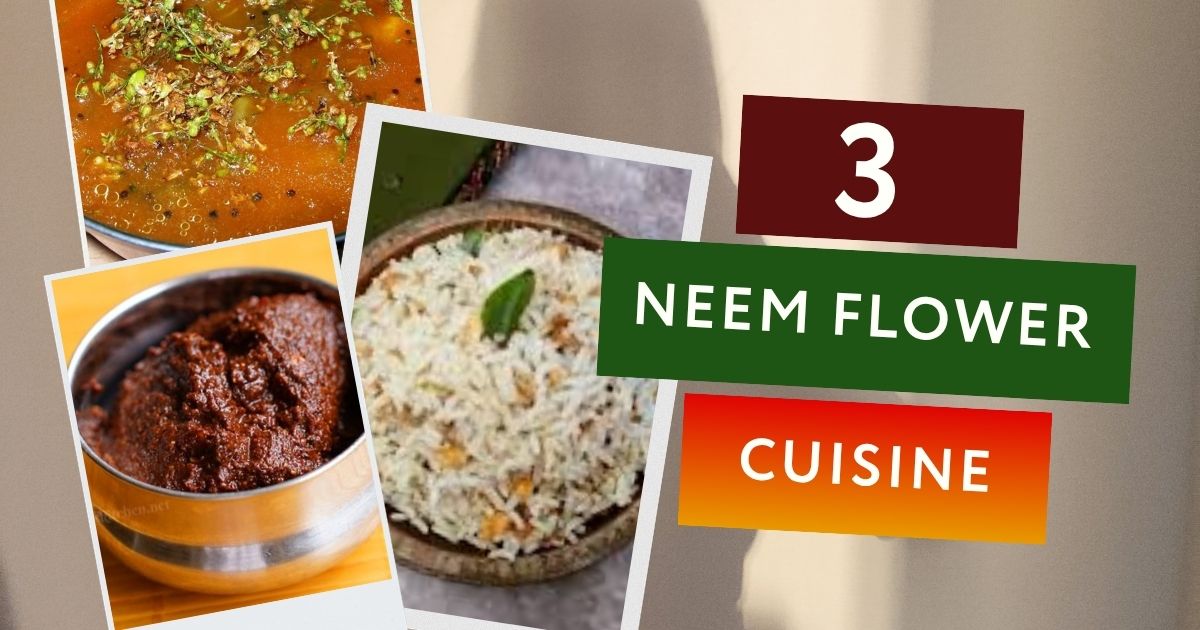
Traditional Neem Flower Recipes of South India
From veppampoo rasam to pachadi and chutneys, explore how neem flowers are transformed into powerful, symbolic dishes rooted in South Indian tradition and wellness.
Explore Recipes →