The Vishu Sadhya: A 2026 Guide to Kerala’s New Year Feast
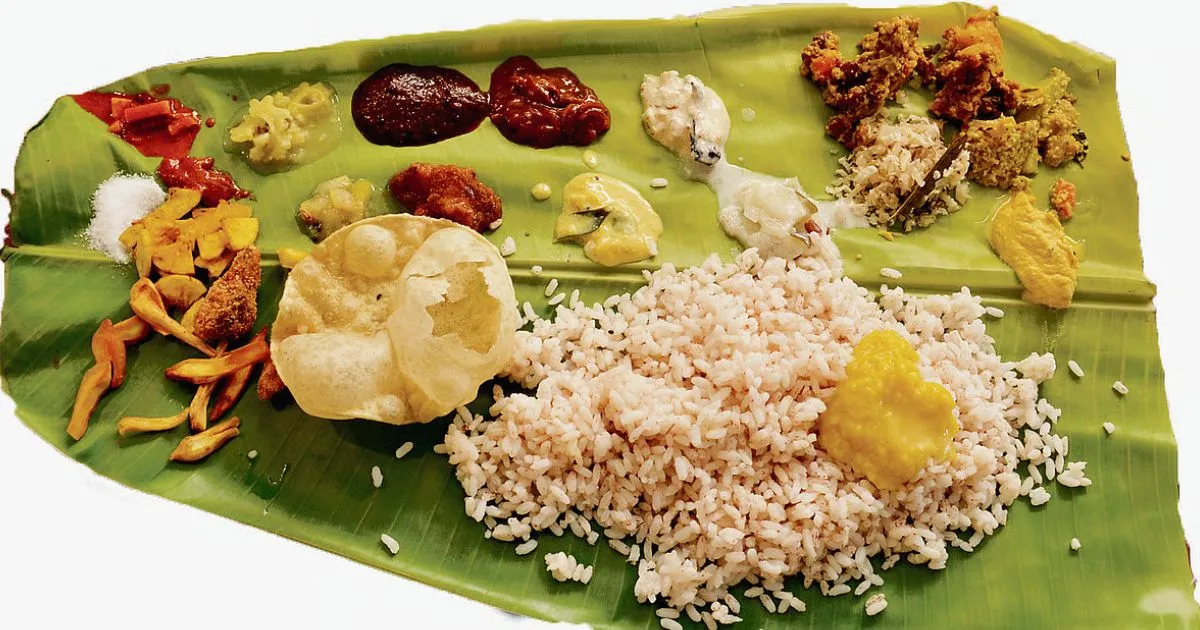
The Vishu Sadhya serves as the culinary anchor for the Kerala New Year. Unlike the massive Onam Sadhya, which celebrates a legendary homecoming, the Vishu feast is about astronomical transition and personal equilibrium. On April 14, 2026, as the sun moves into the sign of Aries, thousands of households across Kerala are sitting down to a meal that is scientifically structured to reset the digestive system and the spirit.
The Philosophy of the Six Tastes
In Ayurvedic tradition, a meal that incorporates the six tastes (Shadrasa)—Sweet (Madhura), Sour (Amla), Salty (Lavana), Pungent (Katu), Bitter (Tikta), and Astringent (Kashaya)—is considered complete. The Vishu Sadhya is built on this principle. The Vishu Katta provides the sweetness of coconut and jaggery, while the Veppampoo Rasam (neem flower soup) introduces the necessary bitter element, believed to purify the blood and prepare the body for the rising summer heat of April.
The Four Pillars of an Authentic 2026 Feast
| Dish | Character | Why it’s Essential |
| Vishu Kanji | Savory Porridge | Made with raw rice and coconut milk; it is the traditional “break-fast” of the day. |
| Vishu Katta | Sweet Rice Cake | A firm, steamed rice cake flavored with cumin, typically eaten with jaggery syrup. |
| Mampazha Pulissery | Sweet & Sour Curry | Made with ripe local mangoes and yogurt—Vishu marks the height of mango season. |
| Veppampoo Rasam | Bitter & Spicy | A digestive soup using neem flowers to introduce the “bitter” element of life’s balance. |
How to Prepare the Core Dishes
Preparing a Sadhya is an exercise in timing. You want your long-simmered curries done first so you can focus on the delicate emulsions right before the family gathers.
- Set the Rice Base: Use Kerala Matta Rice (parboiled red rice). It requires a 4:1 water-to-rice ratio and a longer cooking time than white rice. While the rice boils, prepare your coconut-cumin pastes.
- Steam the Vishu Katta: Cook raw rice with thin coconut milk and salt until mushy. Stir in thick coconut milk and cumin seeds. Spread onto a greased plate, flatten, and let it cool for 30 minutes until firm enough to cut into diamond shapes.
- Temper the Mampazha Pulissery: Simmer ripe mangoes with turmeric and chili. Add a ground paste of coconut and cumin. Turn the heat to low and stir in whisked yogurt. Crucial: Switch off the flame immediately to prevent the yogurt from curdling.
- The Final Tempering: In a separate pan, heat coconut oil. Splutter mustard seeds, dried red chilies, and fresh curry leaves. Pour this over your Pulissery and Kanji to release the signature “fresh oil” aroma.
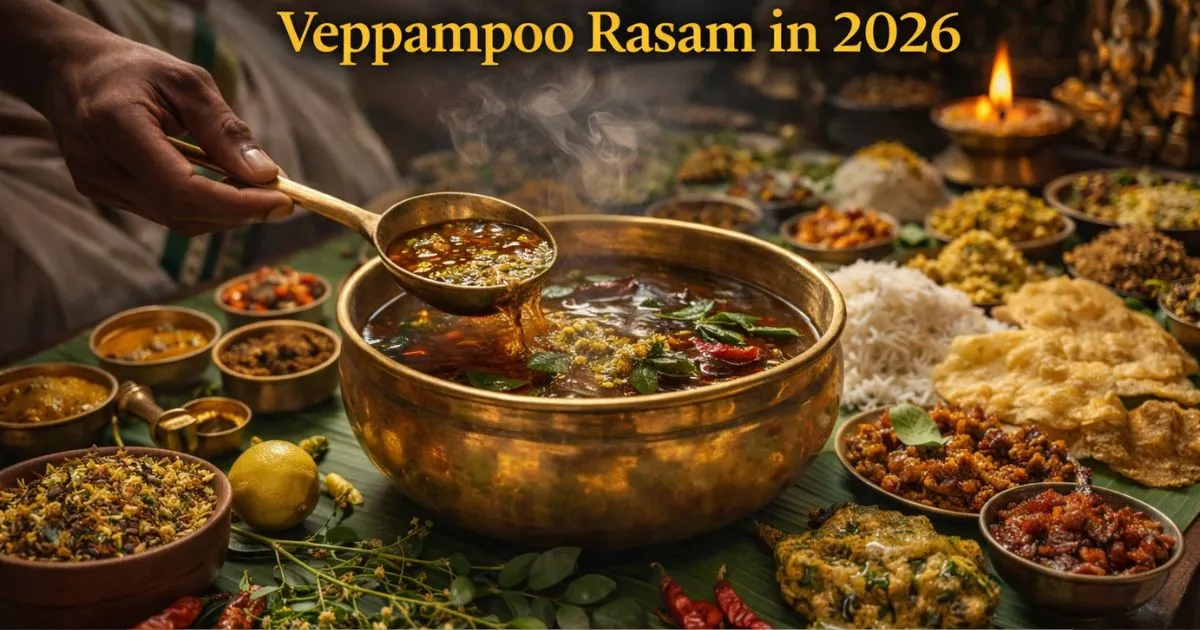
Bitter Soul of the Sadhya: Mastering Veppampoo Rasam
Discover the deep cultural meaning of Veppampoo Rasam—a bittersweet dish symbolizing life’s contrasts, served during Vishu Sadhya and Tamil New Year traditions.
Read Full Guide →2026 Trends: The Sustainable Sadhya
In 2026, we are witnessing a “Back to Earth” movement in Kerala. Many households are moving toward Sustainable Sadhyas by sourcing organic Kanikkonna (Laburnum) for the Vishu display and utilizing heirloom mango varieties like Chandrakaran for the Pulissery. This shift not only ensures better flavor but actively preserves local biodiversity that has been threatened by industrial farming.
Whether you are eating in a traditional courtyard or a high-rise apartment, the Vishu Sadhya remains the ultimate reminder that a balanced life requires the acceptance of all tastes.

Ayurvedic Benefits of Neem Flowers: Detox Guide
Discover how neem flowers detoxify the body, boost immunity, and balance doshas through ancient Ayurvedic wisdom and modern science.
Read Full Guide →