Historic Special Session Begins: India Moves to Expand Parliament for Women’s Quota
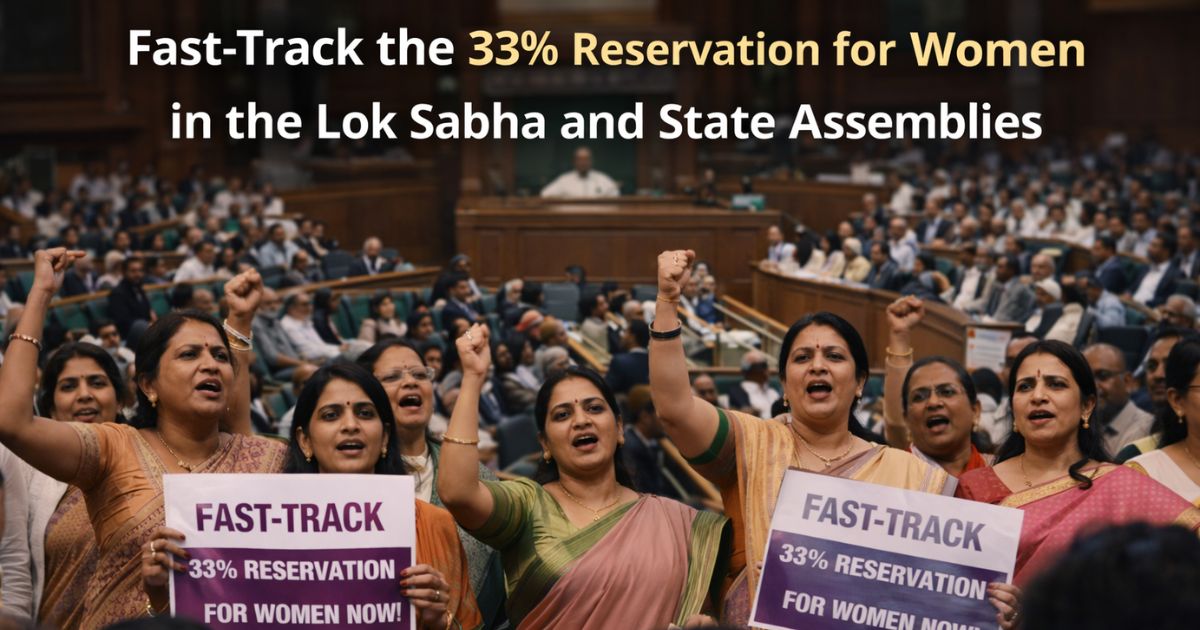
New Delhi | April 16, 2026 — The Indian Parliament opened a high-stakes, three-day special session today, as the government introduced a legislative package designed to fundamentally reshape the country’s democratic landscape. At the heart of the session is a push to fast-track the 33% reservation for women in the Lok Sabha and State Assemblies, a move that could see the lower house of Parliament expand to a historic 850 seats.
Prime Minister Narendra Modi, addressing the media ahead of the session, described the move as a fulfillment of the “Nari Shakti Vandan Adhiniyam” in its true spirit. “The time has come to ensure our mothers and sisters are not just participants, but leaders in our legislative process,” he stated.
The Legislative Strategy: Breaking the “2034 Logjam”
Under the original 2023 Act, women’s reservation was tied to a delimitation exercise that could only occur after the next national census. With census delays, the quota was unlikely to take effect until at least 2034.
The government’s new strategy involves three critical components:
- The Constitution (131st Amendment) Bill, 2026: This bill seeks to delink the reservation from the upcoming census, allowing the government to use “last published census” data (likely 2011) to trigger immediate delimitation.
- The Delimitation Bill, 2026: A proposal to increase the Lok Sabha’s strength from 543 to 850 members (815 for States and 35 for Union Territories).
- Union Territory Amendments: Specific legislation to extend these quotas to the assemblies of Delhi, Puducherry, and Jammu & Kashmir.
By expanding the total number of seats, the government aims to accommodate the 33% women’s quota without reducing the number of seats currently available for general candidates—a move designed to minimize internal political friction.
The “Federal Fault Line”: Opposition Concerns
While the INDIA bloc and other opposition parties have reiterated their support for women’s empowerment, the session opened to sharp criticism regarding the Delimitation Bill.
The primary conflict centers on the “North-South divide.” Leaders from southern states, including Tamil Nadu Chief Minister M.K. Stalin, have warned that a population-based seat redistribution could “penalize” states that have successfully implemented population control measures.
“This is not just about reservation; it is about the federal balance of India,” said a senior opposition leader. “By increasing seats based on outdated or skewed population metrics, you risk silencing the voices of states that have progressed the most.”
Congress President Mallikarjun Kharge also raised concerns over the lack of a caste census linkage, arguing that without a “quota within a quota” for Other Backward Classes (OBCs), the bill remains incomplete.
The Numbers Game
For the Constitutional Amendment to pass, the government requires a two-thirds majority of members present and voting.
- Target: Approximately 360 votes (if all 540 current members are present).
- Current Standing: The BJP-led NDA holds 293 seats, meaning support from regional parties or a segment of the opposition is essential for the bill to become law.
What’s Next?
Debates are expected to intensify over the next 48 hours. If passed, the reservation would be operationalized in time for the 2029 General Elections, marking the most significant expansion of Indian legislative representation since the 1970s.
The Prime Minister is expected to reply to the debate on Friday, April 17, before the session concludes on Saturday.