
The Indigenous Science of Himalayan Kath Kuni Architecture
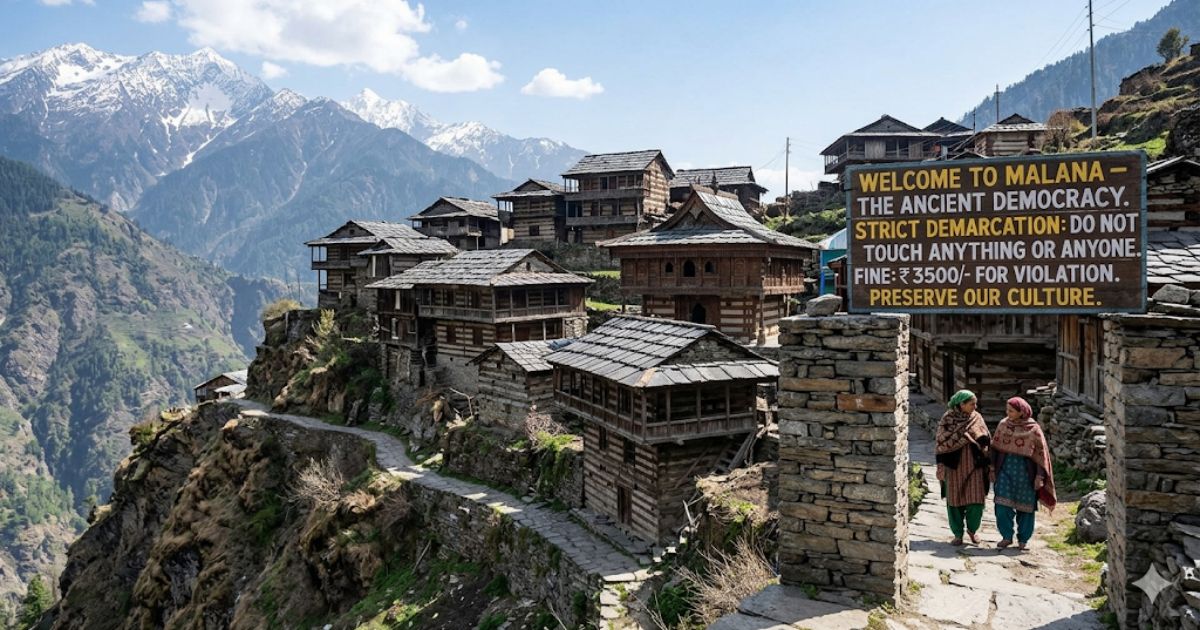
In the high-altitude villages of Himachal Pradesh, tucked away between deep deodar forests and vulnerable mountain ridges, stands an ancient structural marvel that modern engineering is finally beginning to take seriously. For over a thousand years, traditional homes and towering temples in regions like Kullu, Kangra, and Shimla have weathered severe snowstorms, cloudbursts, and massive earthquakes. The remarkable part is that they were built without a single drop of concrete, mortar, or metal fasteners.
This indigenous construction methodology is known as Kath Kuni, a name derived from the Sanskrit words Kashth (wood) and Kona (corner). It describes the defining feature of its engineering, which relies on interlocking wooden beams and stone masonry at the corners. As modern concrete structures across the fragile Himalayan belt struggle with climate vulnerability, the revival of Kath Kuni is emerging as a critical template for the future of green building and sustainable eco-tourism.
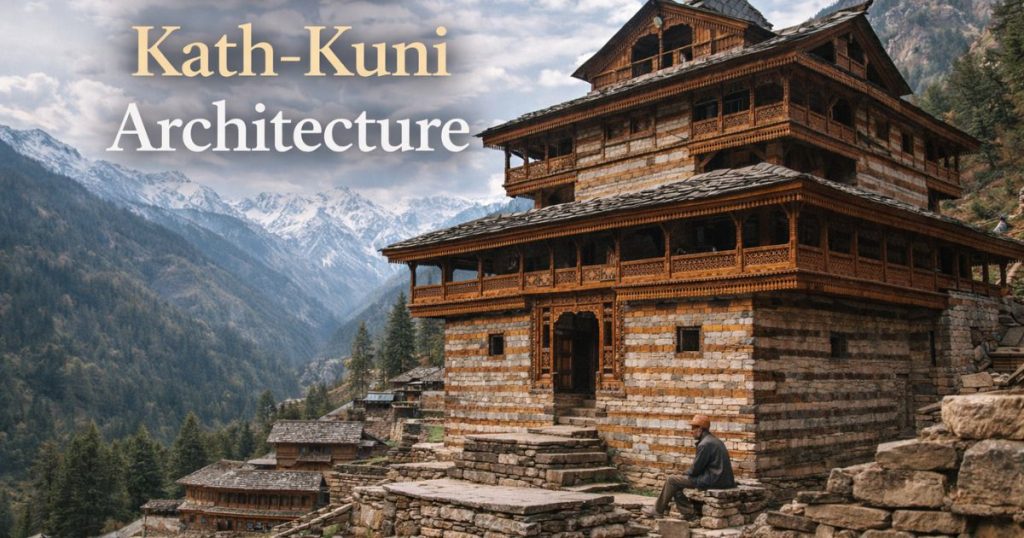
The Floating Foundation: How Kath Kuni Beats Seismic Shockwaves
Himachal Pradesh sits entirely within high-risk seismic zones IV and V. While modern reinforced cement concrete (RCC) buildings are rigid and prone to snapping under sudden tectonic shifts, a Kath Kuni structure is designed to move.
The structural system does not use vertical columns or stiff mortar joints. Instead, master craftsmen build double-layered walls by alternating horizontal layers of locally split grey stone with thick timber beams made of seasoned Deodar pine.
The magic lies in the connection points. The wooden layers are joined together using traditional carpentry techniques like wooden pegs, known as kadil joints, and flexible dovetail locks. Because there is no binding mortar, the stone and wood layers slide slightly against each other during a tremor. This creates an immense amount of internal friction and structural flexibility. The building sways dynamically with the earth, absorbing and dissipating the seismic energy rather than fighting it. It literally bends so it does not break.
The Climate Responsive Layout
Here is the code for a responsive, isolated visual component mapping out the functional, sustainable layout of a classic three-story Kath Kuni home. It is safe to embed anywhere in your CMS.
Structural Anatomy of a Kath Kuni Home
The Living Quarters & Balcony (Tonng)
The highest level contains the family kitchen (Rasoi) and bedrooms. It features a cantilevered wooden balcony called the Tonng, designed to capture maximum sunlight during harsh alpine winters.
The Granary & Insulation Layer
The middle floor functions as a secure granary for food storage. This space creates a dry, buffer insulation zone that prevents cold drafts from penetrating upward into the main living spaces.
The Livestock Enclosure (Kudh)
The ground floor houses livestock during the freezing winter months. The natural metabolic heat generated by the animals rises continuously, providing a passive, sustainable underfloor heating system for the entire home.
Passive Climate Insulation: Natural Thermal Efficiency
Beyond its ability to survive earthquakes, Kath Kuni architecture functions as an entirely passive climate control system. The walls are typically around two feet thick, incorporating internal air gaps and thick internal layers of mud plaster.
During the freezing winter months, the heavy stone layers absorb solar heat throughout the day and slowly radiate it inward during the night. The mud plaster allows the building to breathe, regulating moisture levels naturally without requiring expensive electrical heating units.
The steep roofs, traditionally laid with heavy, locally quarried slate tiles, ensure that heavy rain and thick winter snow runoff quickly. The weight of these slate tiles plays an additional structural role, pressing down on the mortarless timber framework to tightly lock the interlocking corner joints in place.
Women in Conservation: Driving the Sustainable Tourism Pivot
The contemporary survival of Kath Kuni is undergoing a massive cultural shift, powered heavily by women working across rural development, architectural conservation, and sustainable hospitality. Historically, vernacular building knowledge was transmitted through strictly patriarchal artisan apprenticeships led by a master craftsman known as a Tavu. However, as younger generations migrated toward urban areas, this vital knowledge pool began to shrink.
Today, female conservationists, urban planners, and local homestay entrepreneurs are stepping in to reverse the decline. Women led self-help groups and hospitality collectives across valleys like Sainj and Jibhi are driving a lucrative pivot toward heritage home-sharing. By restoring abandoned Kath Kuni structures and converting them into eco-friendly boutique homestays, women are demonstrating that traditional architecture is a major asset for rural economic independence.
This structural reclamation aligns perfectly with broader editorial advocacy championed by platforms like RealShePower, which consistently highlight how true ecological preservation happens when local women are positioned as both financial custodians and creative managers of their regional heritage.
Looking Forward: A Carbon Negative Path for Modern Builders
The revival of Kath Kuni architecture is no longer just a nostalgic look at the past; it serves as a highly practical roadmap for carbon negative construction in the future. By relying exclusively on earth, local stone, and sustainably managed timber resources, these traditional structures carry a minimal carbon footprint compared to carbon intensive concrete and steel. As modern design collectives begin experimenting with hybrid models—substituting scarce deodar wood with treated bamboo and industrial hempcrete—the core principles of Kath Kuni engineering prove that ancestral wisdom can actively guide modern sustainable development.
For a detailed look at the structural mechanics, wood interlocking joints, and visual heritage of this indigenous mountain engineering, take a look at the Hidden Science Behind Himachal’s Kath Kuni Architecture. This presentation breaks down how these ancient buildings survive high intensity earthquakes without formal engineering degrees.