Glow Is Not a Product. It Is a Report Card. The Complete Guide to Beauty From Within

Part of the RealShePower Wellness Series: 🔗 The Complete Woman’s Guide to Holistic Health: Body, Mind, and Hormones in Harmony 🔗 She Feels Everything: A Woman’s Complete Guide to Mental Health and Emotional Resilience 🔗 Lift Like a Woman: The Complete Guide to Strength Training and Fitness for Women 🔗 Your Hormones Are Not the Problem. Ignoring Them Is.
There is a particular kind of frustration familiar to most women. You have the serum. You have the routine. You have followed the ten steps in the right order, in the right season, with the right SPF reapplied at the right intervals. And still, your skin tells a story your products cannot edit: dullness that will not lift, breakouts that arrive on schedule, dark circles that no concealer fully hides, hair that thins despite the right shampoo.
This is the moment to ask a different question. Not “what product am I missing?” but “what is my skin actually telling me?”
Skin is not separate from the rest of the body. It is the body’s largest organ, and it is remarkably honest. It reflects what is happening in your gut, your hormones, your sleep, your stress levels, and your nutrient stores, often before any other symptom appears. Beauty from within is not a marketing phrase. It is physiology.
This guide brings together everything RealShePower has already covered on hormones, gut health, sleep, and stress, and applies it specifically to the question every woman eventually asks: why does my skin look the way it does, and what can I actually do about it?
Part One: Skin Is a Mirror, Not a Surface
The Skin-Gut-Hormone Triangle
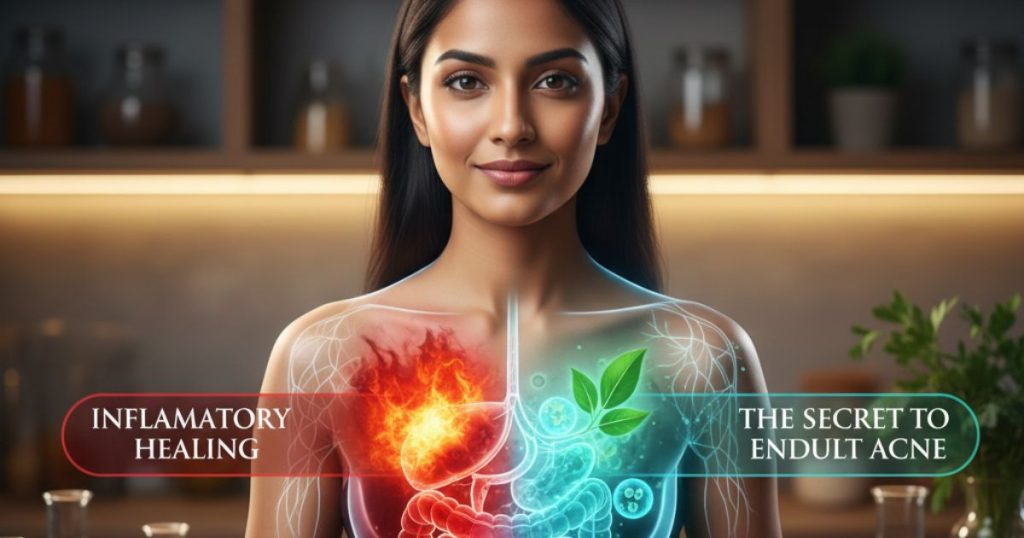
As detailed in our Holistic Health guide, the gut microbiome influences nearly every system in the body, including the skin, through what researchers call the gut-skin axis. Inflammation that originates in the gut, often from dysbiosis, food sensitivities, or chronic stress, shows up on the face as redness, breakouts, eczema flares, or a generally dull, congested complexion.
Hormones complicate the picture further. As explored in our hormones and cycle syncing guide, estrogen supports collagen production and skin hydration, while testosterone (present in all women, and elevated relative to estrogen in the late luteal phase or in conditions like PCOS) drives sebum production and acne, particularly along the jaw and chin.
If your skin issues follow a monthly pattern, that is not a coincidence. That is a hormonal signature, and it deserves to be read as one.
What Skin Actually Needs to Function Well
Before any conversation about products, it is worth understanding what skin needs structurally:
- Collagen and elastin for firmness and bounce, both of which decline with age and with estrogen loss
- A functioning skin barrier (the outermost layer, made of lipids and dead skin cells) to retain moisture and keep irritants out
- Adequate blood flow to deliver oxygen and nutrients
- Balanced oil production, neither too much (acne) nor too little (dryness, premature fine lines)
- Low systemic inflammation, since inflammation accelerates visible ageing through a process called inflammaging
Every factor below influences one or more of these mechanisms.
🧞 RealShePower Genie Says
“Your skin is not lying to you. It is the most honest organ in your body. It cannot fake a glow it does not have the resources for. Stop arguing with the messenger and start listening to the message.”
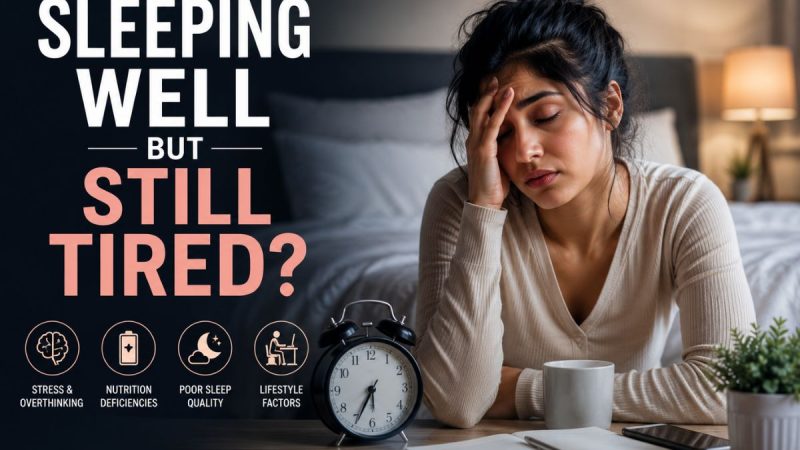
Part Two: Sleep — The Original Beauty Treatment
This is not a cliché. It is biochemistry. As covered extensively in our Holistic Health guide, deep sleep is when the body performs its most significant repair work, and skin is no exception.
What Happens to Skin During Sleep
- Growth hormone release peaks during deep sleep, stimulating collagen synthesis and cell repair
- Cortisol drops, reducing the inflammatory cascade that breaks down collagen and worsens acne and rosacea
- Blood flow to the skin increases, delivering oxygen and nutrients that support the overnight repair process
- Transepidermal water loss decreases, meaning the skin barrier strengthens and retains more moisture
What Sleep Deprivation Does to Skin
Even a single night of poor sleep measurably affects skin: increased fine lines, reduced elasticity, a duller complexion, and slower recovery from environmental damage like UV exposure. Chronic sleep deprivation accelerates visible ageing through sustained elevation of cortisol, which directly breaks down collagen.
No serum on the market can outperform seven hours of consistent sleep. None. This is not opinion. It is dermatological consensus.
For a complete sleep protocol, including circadian rhythm optimisation, temperature regulation, and the role of light exposure, the full breakdown is available in the Holistic Health guide.
Part Three: Nutrition for Skin — What You Eat Becomes What You Show
Protein and Collagen
Collagen is a protein, and like all proteins in the body, it requires amino acids to be built. Without adequate protein intake, the body cannot synthesise new collagen efficiently, regardless of how many collagen supplements or topical products are applied.
As discussed in our Strength Training guide, most women significantly under-consume protein. This has consequences beyond muscle: it shows up directly in skin laxity, slower wound healing, and weaker hair and nails.
Key nutrients for collagen synthesis specifically:
- Vitamin C, an essential cofactor for collagen production. Found in amla (Indian gooseberry, one of the richest natural sources available), citrus fruits, bell peppers, and guava
- Protein sources providing glycine and proline, the specific amino acids that make up collagen: bone broth, eggs, dairy, legumes
- Copper and zinc, trace minerals required for collagen cross-linking. Found in seeds, nuts, and legumes
Healthy Fats and the Skin Barrier
The skin barrier is built largely of lipids. Diets very low in healthy fats compromise this barrier, leading to dryness, sensitivity, and increased vulnerability to irritants and infection.
Omega-3 fatty acids, in particular, have anti-inflammatory properties that benefit acne-prone and rosacea-prone skin. Good sources include flaxseeds, walnuts, and fatty fish for non-vegetarians.
Antioxidants and Oxidative Stress
Skin ageing is driven substantially by oxidative stress, the accumulation of free radical damage from UV exposure, pollution, and normal metabolic processes. Antioxidants neutralise this damage.
India’s culinary tradition is genuinely rich in this category, and it is worth reclaiming rather than overlooking in favour of imported superfoods:
- Turmeric (curcumin), with strong anti-inflammatory and antioxidant properties
- Amla, exceptionally high in vitamin C and polyphenols
- Pomegranate, rich in punicalagins, potent antioxidants specifically studied for skin benefit
- Green tea, containing catechins shown to protect against UV damage
- Turmeric and besan (gram flour) face packs, a traditional practice with real anti-inflammatory grounding, not just nostalgia
Blood Sugar and Skin
This connection is underappreciated. As covered in our Holistic Health guide, unstable blood sugar drives a process called glycation, where excess sugar molecules bind to collagen and elastin fibres, making them stiff and brittle. This accelerates wrinkle formation and contributes to a dull, less elastic complexion.
High-glycaemic diets are also directly linked to acne, through their effect on insulin and a related hormone called insulin-like growth factor 1 (IGF-1), both of which stimulate sebum production and skin cell turnover in ways that clog pores.
Sugar is not just a waistline issue. It is a skin issue. Stable blood sugar is one of the most underrated anti-acne and anti-ageing interventions available, and it costs nothing extra.
Part Four: The Gut-Skin Connection in Depth
The gut-skin axis deserves its own focused attention because so many chronic skin conditions trace back here, and so few women are told this directly.
How Gut Dysbiosis Shows Up on the Face
When the gut microbiome is imbalanced, whether from poor diet, chronic stress, antibiotic overuse, or underlying conditions, it can increase intestinal permeability (sometimes called leaky gut). This allows inflammatory compounds to enter the bloodstream, triggering systemic inflammation that frequently manifests in the skin as:
- Persistent, treatment-resistant acne, particularly along the jawline
- Eczema and dermatitis flares
- Rosacea
- Premature dullness and a compromised barrier
Supporting the Gut-Skin Connection
Everything outlined in the gut health section of our Holistic Health guide applies directly here:
- Eating a wide diversity of plant foods to support microbial diversity
- Including fermented foods regularly: curd, idli and dosa batter, kanji, dhokla, all traditional Indian fermented preparations that double as gut and skin support
- Managing stress, since cortisol directly affects gut permeability and microbiome composition
- Identifying and reducing genuine food sensitivities, which are highly individual and best assessed with guidance rather than broad elimination
🧞 RealShePower Genie Says
“You cannot supplement your way out of a gut that is inflamed, a sleep debt that is years deep, or a stress load that never lets up. The most expensive serum cannot do what a good night’s sleep and a calm nervous system can. Fix the foundation first.”
Part Five: Hormones, the Cycle, and Your Skin
This builds directly on our dedicated hormones and cycle syncing guide, which covers the full cyclical picture. Here is the skin-specific application.
Follicular Phase and Ovulation: Peak Glow
Rising and peaking estrogen supports collagen synthesis, skin hydration, and even skin tone. Many women notice their clearest, most luminous skin in this window. This is the optimal time for active treatments: retinoids, chemical exfoliants (AHAs and BHAs), or in-clinic procedures, since the skin is at its most resilient and best able to recover.
Late Luteal Phase: The Breakout Window
As progesterone and the relative proportion of testosterone rise, sebum production increases. This is when hormonal acne classically appears, typically along the jaw, chin, and sometimes the neck. It is cyclical, predictable, and not a hygiene failure.
What helps:
- Gentle, non-stripping cleansing (over-cleansing worsens compensatory oil production)
- Niacinamide, which helps regulate sebum without irritation
- Avoiding the temptation to introduce new, aggressive actives during this window, since skin is more reactive
- Addressing the hormonal root, not just the topical symptom, through the strategies outlined in the hormones guide
Menstruation: Sensitivity and Repair
As estrogen and progesterone bottom out, skin can feel more sensitive and reactive. This is a good window for simple, soothing routines rather than introducing anything new or aggressive.
PCOS and Skin
For women with PCOS, elevated androgens relative to estrogen can cause persistent acne, often along the jawline, as well as excess facial or body hair growth (hirsutism) and, in some cases, hair thinning at the scalp. As covered in the hormones guide, addressing insulin resistance through diet, movement, and in some cases medical treatment is often the most effective long-term path to skin improvement, more so than topical treatment alone.
Part Six: Stress and the Skin
The connection between stress and skin is direct and well-documented. Cortisol, the body’s primary stress hormone, has several specific effects on skin:
- It increases sebum production, contributing to stress-related breakouts
- It impairs the skin barrier, increasing transepidermal water loss and sensitivity
- It slows wound healing and skin cell turnover
- Chronically elevated cortisol breaks down collagen, accelerating visible ageing
- It worsens existing inflammatory skin conditions, including eczema, psoriasis, and rosacea
This is why stressful periods so reliably correlate with breakouts, even when diet and skincare routine have not changed.
The nervous system tools covered in our Mental Health guide and in Why Nervous System Regulation is the New Productivity Hack are not just mental health interventions. They are skin interventions, because the two systems are not actually separate.
The fastest way to undo a great skincare routine is chronic, unmanaged stress. The two cannot be addressed in isolation.
Part Seven: Movement and Skin
Exercise, covered comprehensively in our Strength Training guide, benefits skin through several mechanisms:
- Increased blood flow delivers more oxygen and nutrients to skin cells and helps flush out cellular waste
- Sweating can help clear pores, though it is essential to cleanse the skin after exercise to prevent sweat and bacteria from sitting on the skin
- Reduced cortisol over time, with consistent moderate exercise, lowers the stress-driven inflammatory load on the skin
- Improved sleep quality, which circles back to the repair processes discussed in Part Two
The caveat: as discussed in the Strength Training guide, overtraining without adequate recovery raises cortisol chronically, which can work against skin health rather than for it. Balance, not extremity, wins here as it does everywhere else in this conversation.
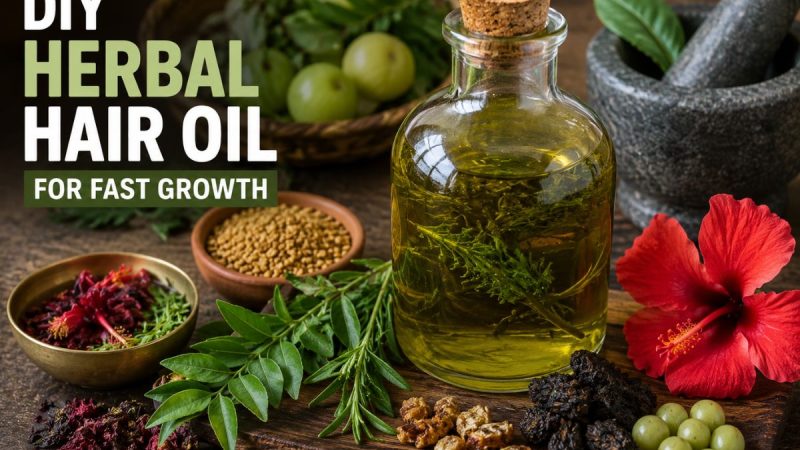
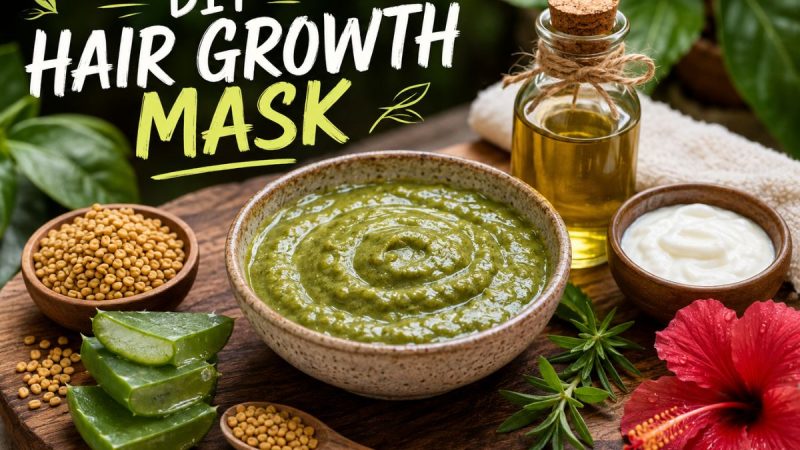
Part Eight: Hair From the Inside Out
Hair health follows the same internal logic as skin, and it is worth addressing directly, since hair concerns are among the most common and most distressing for Indian women.

What Drives Hair Health
- Iron deficiency is one of the most common and most overlooked causes of hair thinning in Indian women, given the prevalence of iron deficiency from menstrual blood loss, as covered in the Holistic Health guide. Ferritin (stored iron) below optimal levels, even when haemoglobin is technically normal, is strongly associated with hair shedding.
- Thyroid function has a major influence on the hair growth cycle. Both hypothyroidism and hyperthyroidism can cause diffuse hair thinning. Given that thyroid conditions affect women at significantly higher rates than men, unexplained hair loss warrants a thyroid panel.
- Protein intake, since hair is made almost entirely of a protein called keratin. Chronic protein insufficiency shows up in hair as thinning, brittleness, and slowed growth.
- Postpartum hair shedding is a temporary, hormonally driven event. Estrogen, elevated during pregnancy, suppresses the normal hair shedding cycle. When estrogen drops sharply after birth, the hair that was “held back” sheds all at once, typically 2 to 4 months postpartum. This resolves on its own within 6 to 12 months for most women and does not require alarm, though it can be distressing while it is happening.
- Chronic stress can trigger a condition called telogen effluvium, where a stressful event (illness, major life change, significant emotional stress) pushes a large number of hair follicles into the shedding phase simultaneously, usually noticed 2 to 3 months after the triggering event.
- Vitamin D and zinc deficiencies are both linked to hair thinning and are common in the Indian population, particularly among women who cover their skin extensively or spend limited time outdoors.
What Actually Helps
The evidence-based approach to hair health mirrors the rest of this guide: address the underlying driver rather than relying solely on topical products. Get ferritin, thyroid function, vitamin D, and zinc checked if experiencing unexplained hair thinning. Topical treatments like minoxidil have genuine evidence behind them for certain types of hair loss, but they work best alongside, not instead of, addressing nutritional and hormonal root causes.
🧞 RealShePower Genie Says
“Nobody tells you that your hairfall might be a blood test away from an answer. You don’t need twelve new products. You might need one ferritin test.”
Part Nine: Navigating the Modern Skincare Landscape
The skincare industry has exploded with options, trends, and technology, and it can be genuinely difficult to know what is evidence-based and what is marketing. RealShePower has covered several angles of this worth revisiting here.
The Shift Toward Biocompatible Ingredients
There has been a meaningful shift in skincare toward ingredients the skin recognises and can use efficiently, rather than purely synthetic formulations. The RealShePower piece The Exosome and Tallow Revolution: Why Women are Ditching Synthetic Chemicals for Biocompatible Skincare explores this shift in detail, including why some women are moving away from heavily synthetic, multi-step routines toward simpler, biologically compatible formulations.
Does More Steps Mean Better Results?
The popularity of elaborate, multi-step routines raises a fair question: is more actually better, particularly in a climate like India’s, which differs significantly from the climates these routines were often developed in. Does the 10-Step K-Beauty Routine Actually Work in India? examines this directly, and the honest answer is nuanced: climate, humidity, and individual skin type matter enormously, and a routine built for one environment does not automatically transfer to another.
Technology and Skin Tracking
The rise of at-home dermal technology, devices that track hydration, oil production, and other skin metrics, reflects a broader desire among women to understand their skin with the same data-driven approach increasingly applied to fitness and sleep. The 2026 Dermal Data Buyer’s Guide: Top 5 Bio-Hacking Gadgets in India and The Dermal Data Revolution: A Deep-Dive into 2026’s Viral Bio-Hacking Skin Gadgets cover this trend and what is genuinely useful versus what is novelty.
Investment Versus Value
Not every effective skincare solution needs to be expensive, but some genuinely are worth the investment, depending on formulation and active ingredient concentration. Are India’s High-End Beauty Brands Actually Worth the Splurge? offers a grounded look at where premium pricing reflects real efficacy and where it does not.
The best skincare routine is not the longest one. It is the one that matches your skin’s actual needs, addresses your internal health, and that you can sustain without exhausting your time, money, or patience.
Part Ten: Building Your Internal Beauty Foundation
Bringing this together into a practical framework:
Daily non-negotiables:
- 7 to 9 hours of consistent, quality sleep (see the Holistic Health guide for the full protocol)
- Adequate protein, roughly 1.2 to 1.6 grams per kilogram of body weight, to support collagen and keratin synthesis
- Stable blood sugar through balanced meals rather than high-glycaemic, processed foods
- Hydration, adjusted for activity level and climate
- Movement, even moderate amounts, to support circulation and stress regulation, as detailed in the Strength Training guide
Weekly priorities:
- Several servings of fermented foods to support the gut-skin axis
- Vitamin C-rich foods daily, since the body cannot store this vitamin
- At least some time spent on nervous system regulation, whether through the techniques in the Mental Health guide or simply unstructured rest
Worth investigating if symptoms persist:
- Ferritin, thyroid panel, vitamin D, and zinc if experiencing hair thinning or persistent dullness
- A hormonal panel, timed correctly per the hormones guide, if breakouts or skin changes follow a clear cyclical pattern
- A gut health assessment if skin issues are accompanied by digestive symptoms
Conclusion: The Glow Was Never Just About the Surface
Every woman has, at some point, stood in front of a mirror and tried to fix on the outside what was actually happening on the inside. It is an understandable instinct. The skin is what we see first, and the products promising to fix it are everywhere, loud, and immediate in their promises.
But the women whose skin genuinely glows, consistently, are rarely the ones with the most elaborate routines. They are the ones whose internal systems, sleep, gut, hormones, stress, and nutrition, are working in harmony. The skincare on top matters, and good products genuinely help. But they are the final layer, not the foundation.
Real beauty, the kind that holds up without filters, without good lighting, without concealer, starts well beneath the surface. It starts in how you sleep, how you eat, how you move, and how gently or harshly you treat your own nervous system.
Your skin has been trying to tell you something this whole time. It might be worth finally listening.
Continue reading the RealShePower Wellness Series: 🔗 The Complete Woman’s Guide to Holistic Health 🔗 She Feels Everything: Mental Health and Emotional Resilience 🔗 Lift Like a Woman: Strength Training for Women 🔗 Your Hormones Are Not the Problem 🔗 The Exosome and Tallow Revolution 🔗 Does the 10-Step K-Beauty Routine Actually Work in India? 🔗 The 2026 Dermal Data Buyer’s Guide 🔗 Are India’s High-End Beauty Brands Worth the Splurge? 🔗 Why Nervous System Regulation is the New Productivity Hack 🔗 Beauty Section 🔗 Skin Care Tag 🔗 Hair Care Tag
Disclaimer: This article is for informational and educational purposes only and does not constitute medical or dermatological advice. Consult a qualified dermatologist or healthcare provider for persistent or severe skin and hair concerns.