How Tribal Women Are Reclaiming the Gond and Warli Art Ecosystems
Sacred Canvases
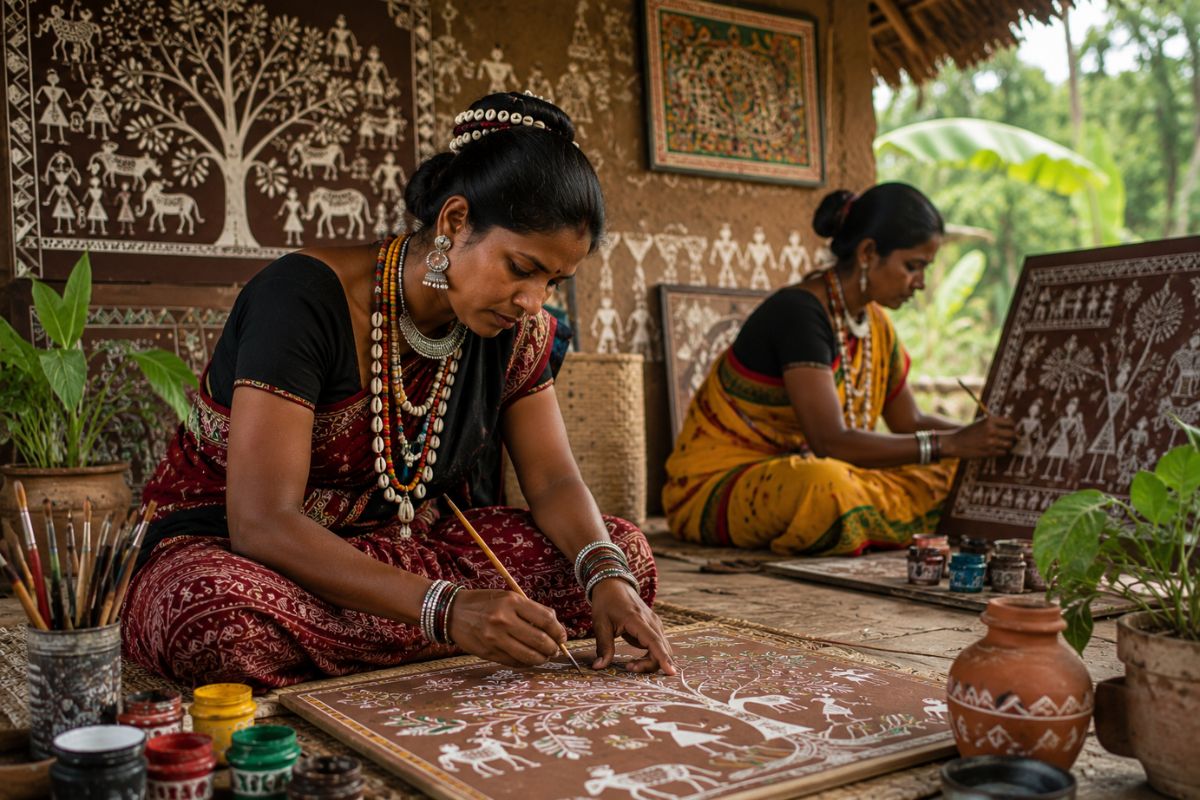
For millennia, the walls of mud homes across central and western India functioned as living canvases. In the Gond tribal hamlets of Madhya Pradesh and the Warli settlements of Maharashtra, painting was never an isolated professional trade or a commercial commodity. Instead, it was an intrinsic, everyday ritual practice. This visual language was used to mark the changing of seasons, celebrate births, invoke protection, and document the profound relationship between human communities and the natural world.
At the absolute center of this creative preservation were indigenous women. As the primary custodians of domestic and sacred rituals, tribal women maintained the knowledge systems required to extract natural pigments from clay, charcoal, and plant sap. They transformed plain mud walls into rich visual archives. Today, a powerful economic shift is taking place. Tribal women are taking these ancient art forms off rural mud walls and bringing them onto canvas, paper, and digital mediums, positioning themselves as successful global entrepreneurs and rewriting the rules of the contemporary Indian folk art market.
Visual Grammar: Deciphering Lines, Dots, and Sacred Triangles
While both Gond and Warli art emerge from an deep reverence for nature, their technical execution and visual vocabularies are completely distinct.
The Detailed Cosmos of Gond Art
Gond art relies on an intricate system of texture, where the canvas is filled with signature patterns of dashes, dots, and vibrant lines. Artists use these unique, repetitive strokes to create a sense of dynamic movement within stylized silhouettes of animals, sacred trees, and local deities. Each clan or artist develops a personal signature pattern, making their style instantly recognizable to collectors.
The Minimalist Geometry of Warli Art
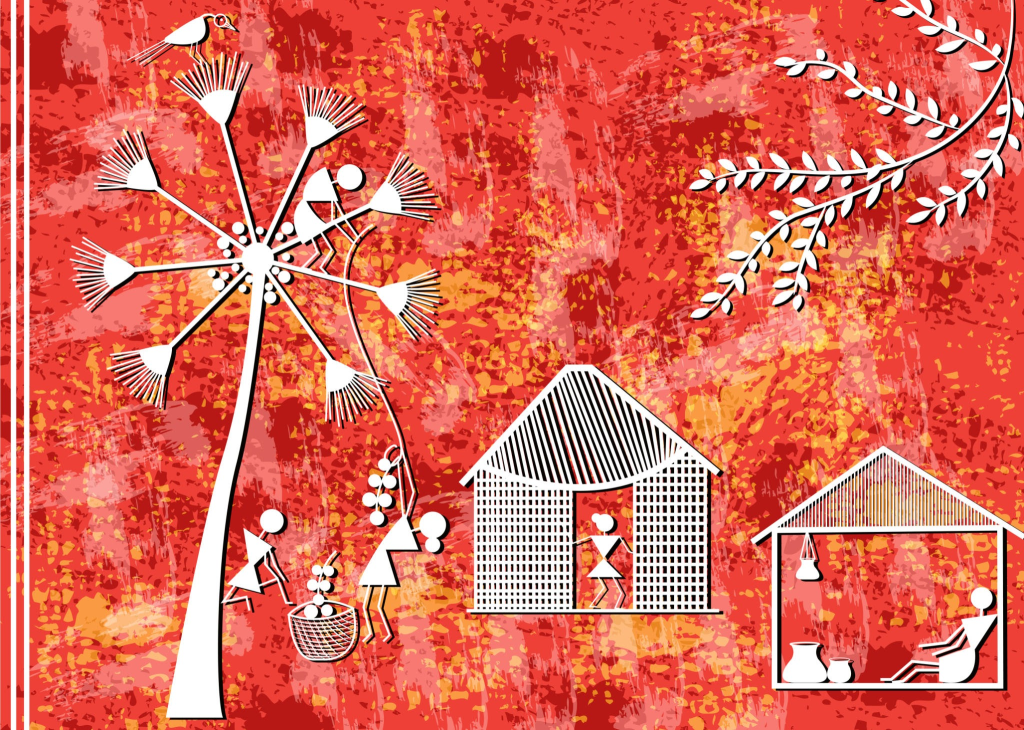
Warli painting uses a beautiful, minimalist approach to storytelling. Using a simple palette of white pigment made from rice paste mixed with water and a binding gum, the art relies on three basic geometric shapes: the circle, the triangle, and the square.
The circle represents the sun and the moon, while the triangle represents mountains and pointed trees. In a Warli composition, human and animal bodies are created by joining two triangles at the tips. This delicate balance symbolizes the vital equilibrium between humanity and nature.
Reclaiming the Creative Value Chain
Here is the code for a responsive, isolated visual component analyzing how tribal women are restructuring their artistic livelihoods. It is completely safe to embed in your CMS.
The Folk Art Economic Transition
The Domestic Ritual Era
The 2026 Creative Entrepreneur Shift
Breaking the Gender Monopoly in Folk Art Commercialization
When tribal art first made the leap into commercial markets during the late twentieth century, the transition was heavily male dominated. While women continued to handle the manual preparation of mud walls and canvases at home, it was often the men who were selected for state sponsored art workshops, gallery showcases, and international exhibitions.
Today, a brilliant generation of female artists is dismantling this gender imbalance. Pioneering creators are breaking old taboos to claim their space in the fine art world. In the Warli community, artists are moving past traditional marriage themes to tackle contemporary social issues, environmental conservation, and women rights.
Similarly, female Gond painters are gaining global recognition for their expansive canvases, commanding premium prices at international auction houses and collaborating with premium lifestyle brands.
This reclamation of economic value is a vital theme explored by women platforms like RealShePower, which have long argued that actual cultural preservation is impossible if the women who kept these traditions alive are excluded from their financial rewards. By stepping onto the global stage, these painters are transforming folk art from an unpaid domestic chore into a powerful engine for female financial autonomy.
The Digital Renaissance: Micro-Enterprises and the Global Gallery
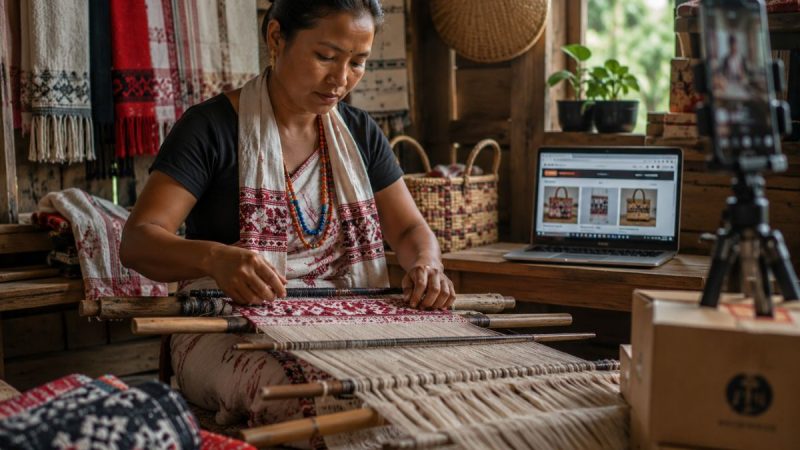
The explosive growth of direct to consumer digital spaces has permanently altered how these artists do business. Today, tribal women are using artisan cooperatives, digital marketplaces, and social platforms to manage their entire supply chains. By cutting out urban middlemen who historically pocketed large margins, female collectives in regions like Dindori and Palghar are interacting directly with global design houses, curators, and individual collectors.
This direct access allows women to scale their operations sustainably. The revenue earned flows straight back into rural communities, funding girls higher education, specialized digital literacy training, and local healthcare clinics. By transforming themselves into independent business owners, these indigenous women are ensuring that their ancestral visual traditions remain relevant, profitable, and respected across the global creative economy.
For an intimate, behind-the-scenes look at how tribal families prepare natural pigments, refine their brushwork, and share stories through art, take a look at the Living Traditions: Visual Documentation of India’s Tribal Art Communities. This presentation explores the daily lives of creators keeping these ancient visual languages alive.