Unveiling Bollywood’s Dark Core: The Outsider’s Curse and the Myth of Madness
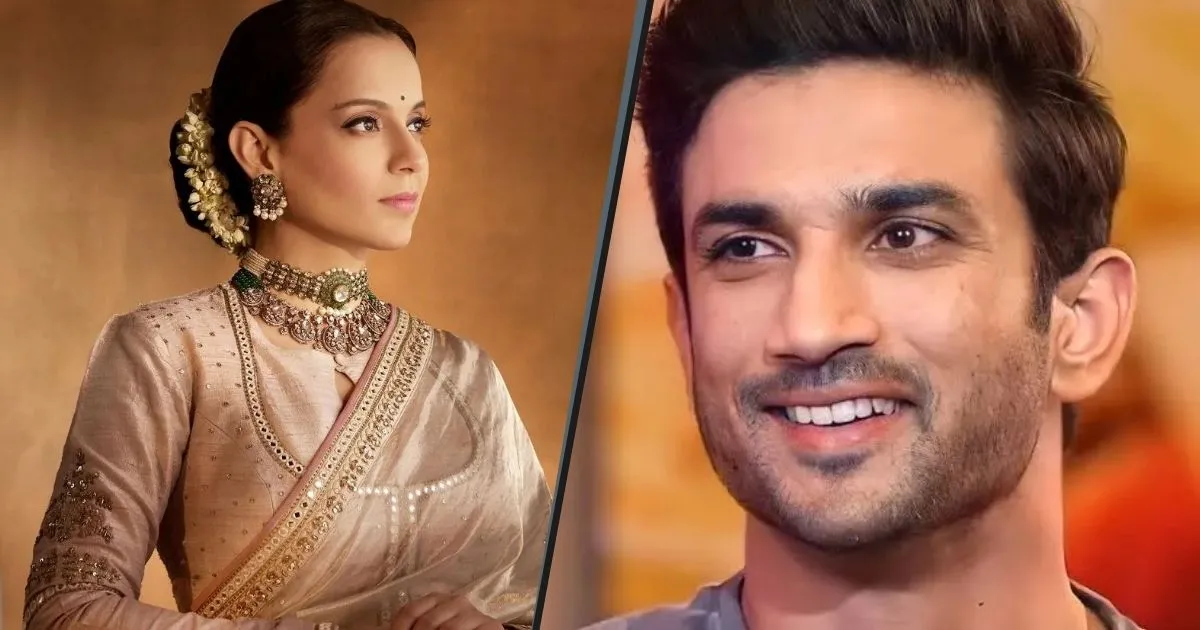
Bollywood, India’s cinematic dreamscape, dazzles with its larger-than-life narratives and star-studded allure. Yet, behind the glamour lies a sinister undercurrent—a machine that thrives on control, privilege, and the systematic sidelining of those who dare rise without lineage. The stories of Parveen Babi, Sushant Singh Rajput, Jiah Khan, Kangana Ranaut, Divya Bharti, Rahul Roy, and Chandrachur Singh reveal a chilling pattern: outsiders, those not born into Bollywood’s elite circles, face relentless sabotage, their mental health weaponized to discredit and destroy. This exposé, grounded in documented accounts, court records, and public statements, probes why these stars—beloved, talented, and self-made—are labeled as “mad,” “depressed,” or “unstable,” while insiders rarely face such fates. It questions the so-called “Bollywood mafia“—a shadowy network of power brokers—and why it seems hell-bent on crushing those who threaten its dominion, especially women.
The Schizophrenia Smear: Parveen Babi’s Fall from Grace
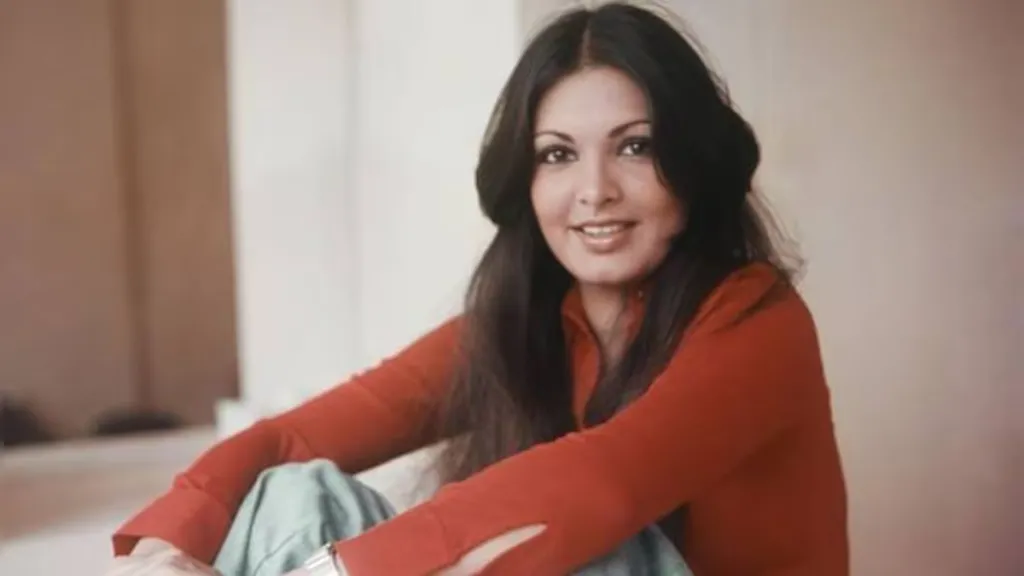
Parveen Babi, the 1970s icon who became Bollywood’s first global star on TIME’s cover, was a trailblazer whose charisma rivaled the industry’s biggest names. Her descent into obscurity, however, was marked by a diagnosis of paranoid schizophrenia in the early 1980s, a label that became both her prison and her epitaph. But how do we know she was schizophrenic? The diagnosis stemmed from her 1984 confessional essay in The Illustrated Weekly of India, where she described delusions of poisoning and betrayal, coupled with hospitalizations in the U.S. and India. Ex-partner Kabir Bedi confirmed her treatment for paranoia, yet admitted Bollywood’s brutal pressures—grueling schedules, tabloid gossip—amplified her distress. Mahesh Bhatt, another ex, later revealed a doctor’s accusation that his own behavior worsened her episodes, leading to her institutionalization.
The industry’s response was telling: producers like Prakash Mehra branded her a “hoax,” dismissing her illness as attention-seeking, while roles dried up. Babi’s 2005 death, alone in her Mumbai flat, her body discovered days later, cemented her as a cautionary tale. Her schizophrenia label, while medically documented, was weaponized to erase her credibility, a pattern eerily repeated with other outsiders. Why was her mental health not a call for support but a cudgel to exile her? The answer lies in Bollywood’s intolerance for vulnerability in those without powerful protectors.
The Depression Narrative: Sushant Singh Rajput and Jiah Khan’s Silenced Struggles

Sushant Singh Rajput, the self-made star of MS Dhoni: The Untold Story, was labeled “depressed” following his 2020 suicide, a narrative that conveniently overshadowed the industry’s role in his demise. The Central Bureau of Investigation (CBI) ruled it suicide, citing no foul play, yet Rajput’s family and fans pointed to a campaign of exclusion. His sister Shweta Singh Kirti detailed how Bollywood’s elite—producers like Karan Johar and Aditya Chopra—orchestrated his ostracism, with auditions for films like Befikre allegedly pulled for star kids like Ranveer Singh. Social media campaigns like #BoycottKaranJohar erupted, accusing a “movie mafia” of blacklisting Sushant, mocking his outsider status, and driving him to despair. His girlfriend Rhea Chakraborty’s arrest for drug-related charges fueled speculation, but the 2025 CBI closure report pinned his death on depression exacerbated by industry pressures. How was he labeled depressed? Through post-mortem psychological profiling and selective leaks, yet the industry’s role—systemic exclusion, public shaming—remained under-scrutinized.
Similarly, Jiah Khan’s 2013 suicide at 25 was framed as the act of a “troubled” young woman. Her six-page suicide note detailed alleged physical abuse, forced abortions, and career sabotage by boyfriend Sooraj Pancholi, son of actor Aditya Pancholi. Pancholi was charged with abetment but acquitted in 2023, with courts citing Jiah’s prior suicidal tendencies as evidence of pre-existing mental instability. Her mother Rabia contested this, alleging murder and pointing to forensic inconsistencies like a staged hanging. The depression label, drawn from her note and family statements, became a convenient way to dismiss her claims, protecting an insider’s son while an outsider’s anguish was reduced to pathology. Why were Sushant and Jiah so quickly branded mentally unstable? The pattern suggests a deliberate narrative to deflect blame from the industry’s toxic culture, where outsiders are crushed under the weight of exclusion.
The Enigmatic Tragedy: Divya Bharti’s Unexplained End

Divya Bharti, the 19-year-old prodigy of Vishwatma and Deewana, was Bollywood’s brightest flame in 1992, commanding top fees with 14 films signed. Her 1993 fall from a fifth-floor Mumbai balcony, officially ruled an accident, remains one of Bollywood’s darkest mysteries. Eyewitnesses, including designer Neeta Lulla, described Bharti spotting a car below before slipping, possibly intoxicated after a demanding shoot schedule. Friends like Guddi Maruti later spoke of her burnout and a secret marriage to producer Sajid Nadiadwala, adding layers of stress. Speculation swirled—suicide, murder, or underworld ties via Sajid—yet the police closed the case without charges, leaving her mother and co-stars like Shah Rukh Khan reeling. Bharti’s meteoric rise, like Sushant’s, made her a target; her unexplained end hints at a system where outsiders’ brilliance invites sabotage, their deaths too neatly labeled as mishaps to probe deeper.
The “Movie Mafia”: Kangana Ranaut’s War and the Big Mouth Label
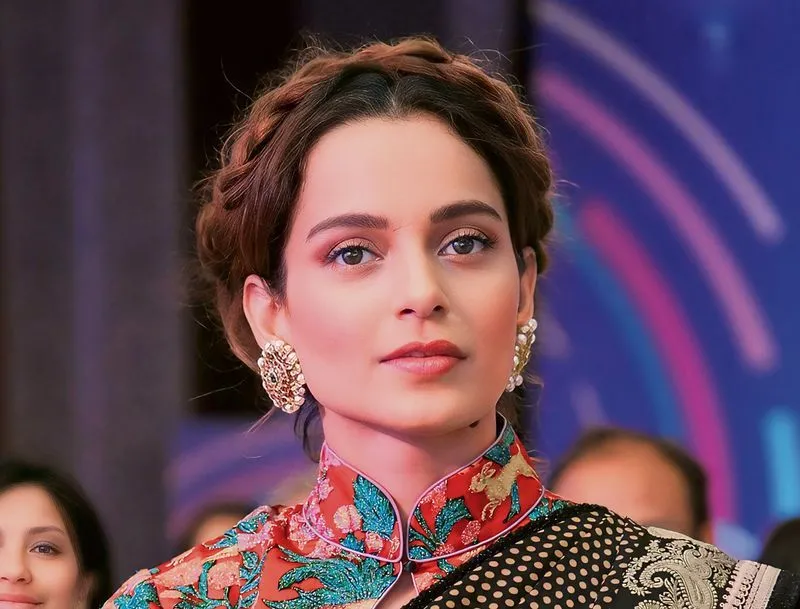
Kangana Ranaut, Bollywood’s fierce outsider, has been a lightning rod for controversy, labeled a “big mouth” and untrustworthy for her unrelenting critique of the industry’s power brokers. Her 2017 Koffee With Karan declaration, calling Karan Johar the “flag-bearer of nepotism,” sparked a feud that saw her allegedly blacklisted from major projects. Ranaut claimed the “movie mafia”—a nexus of producers, star kids, and media—targeted her with mental harassment, sabotaging her films, finances, and even marriage prospects. Her 2020 office demolition by Mumbai authorities, following her outspoken comments on Sushant’s death, fueled allegations of a politically backed vendetta.
Unlike insiders, Kangana’s defiance came at a cost: she’s been branded unstable, her mental harassment claims dismissed as rants. Yet, her rise—through her own production house and films like Manikarnika—shows resilience against a system that punishes outspoken women. Why is she labeled untrustworthy? Because her truth-telling threatens the mafia’s grip, exposing a culture where dissenters, especially women, are gaslit into silence.
#MeToo’s Fallout: Tanushree Dutta’s Exiled Voice

Tanushree Dutta’s 2018 #MeToo accusation against Nana Patekar, alleging he groped her during a 2008 shoot, ignited India’s reckoning with sexual misconduct. Her FIR detailed harassment abetted by choreographer Ganesh Acharya, but she faced mob violence from Maharashtra Navnirman Sena supporters, forcing her to flee to the U.S. Patekar’s 2024 denial and a 2025 court dismissal for lack of timely evidence buried her case, while Dutta’s 2024 claims of hacked emails and witness threats underscored ongoing retaliation. Her exile mirrors the outsider’s fate: speak out, and the mafia ensures you’re erased, your sanity questioned to protect the powerful.
The Broken Dreams: Rahul Roy and Chandrachur Singh’s Abrupt Ends
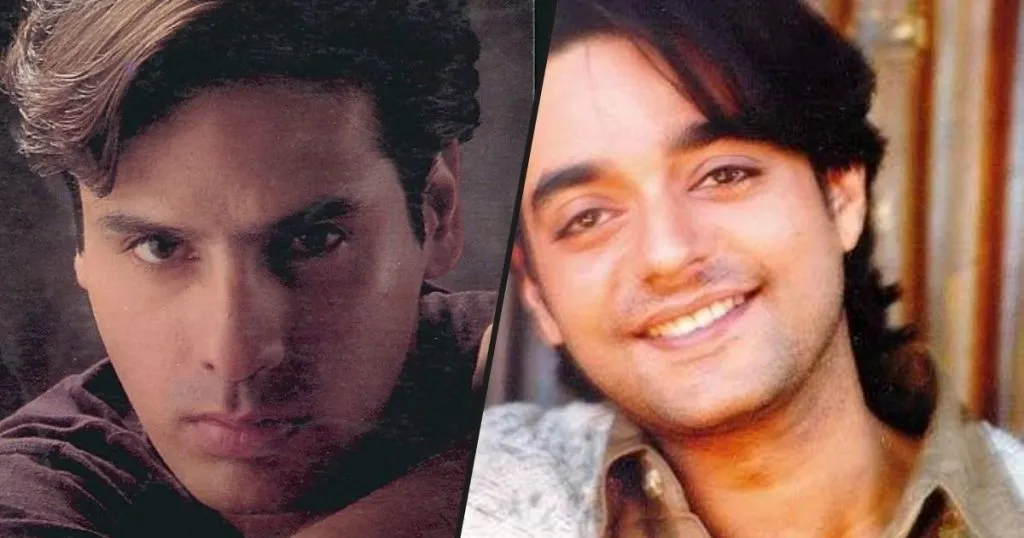
Rahul Roy, the heartthrob of 1990’s Aashiqui, saw his career skyrocket with 47 film offers, only to crash with flops and personal retreats. His 2020 brain stroke on the LAC set, ignored by director Nitin Gupta despite visible symptoms, left him aphasic and in debt, with only Salman Khan quietly aiding his recovery. Chandrachur Singh, the soulful star of Maachis and Josh, was derailed by a 2000 jet-ski accident, causing chronic shoulder pain and morphine dependency that halted his career for eight years. Both outsiders, their abrupt ends—Roy’s neglect, Singh’s exile—suggest a system that discards those without elite backing, their falls unprobed compared to insiders’ cushioned landings.
The Menace Called Bollywood: The Mafia’s Iron Grip
The “Bollywood mafia,” as Kangana and others describe, is no myth but a tangible network of powerful producers, star families, and media houses that gatekeep opportunities. Names like Karan Johar, Aditya Chopra, and the Khan clan (Salman, Aamir, Shah Rukh) dominate, allegedly orchestrating blacklists and controlling casting through clout. Vivek Oberoi’s 2003 clash with Salman Khan, where he alleged mafia-style threats, saw his career tank, a fate echoed by Sushant’s exclusion. This cabal thrives on nepotism, favoring star kids like Alia Bhatt or Ranbir Kapoor, who face no such mental health smears or tragic ends. Why do insiders rarely suffer? Their lineage offers protection—access to roles, media cover-ups, and legal leniency, as seen in Salman’s hit-and-run acquittal or Sooraj Pancholi’s abetment case dismissal.
Outsiders, however, are marked from the start. Sushant, Jiah, Divya, and others were loved for their raw talent, yet their rises threatened the status quo. Mental health labels—schizophrenia for Babi, depression for Sushant and Jiah—serve as tools to discredit, deflecting scrutiny from the mafia’s tactics: blacklisting, rumor-mongering, and career sabotage. Kangana’s survival, built on defiance and her own production house, is an anomaly; her harassment claims, like Dutta’s, are dismissed to paint them as unstable, preserving the industry’s facade.
Women in the Crosshairs: The Outsider’s Double Burden
The toll is starkest for women outsiders. Babi’s schizophrenia was mocked, her isolation ignored. Jiah’s cries of abuse were buried under “depression.” Bharti’s death, amid burnout, was swept as an accident. Dutta’s #MeToo fight led to exile, while Ranaut’s outspokenness brands her a pariah. Women face a gendered gauntlet: objectification, harassment, and mental health weaponization. The mafia’s grip ensures predators like Nana Patekar roam free, while accusers are silenced. Insiders like Alia Bhatt or Kareena Kapoor, shielded by family empires, face no such labels or tragedies. The menace called Bollywood is a system where outsiders, especially women, are chewed up and spit out, their brilliance dimmed by a mafia that thrives on control, leaving a trail of broken dreams and convenient diagnoses. Until this nexus is dismantled, the outsider’s curse will persist, their voices drowned in a cacophony of power.