Foreign Interventions and Broken Promises: Why the Middle East Continues to Bleed
Foreign Interventions and Broken Promises: The Long Shadow of Outside Powers
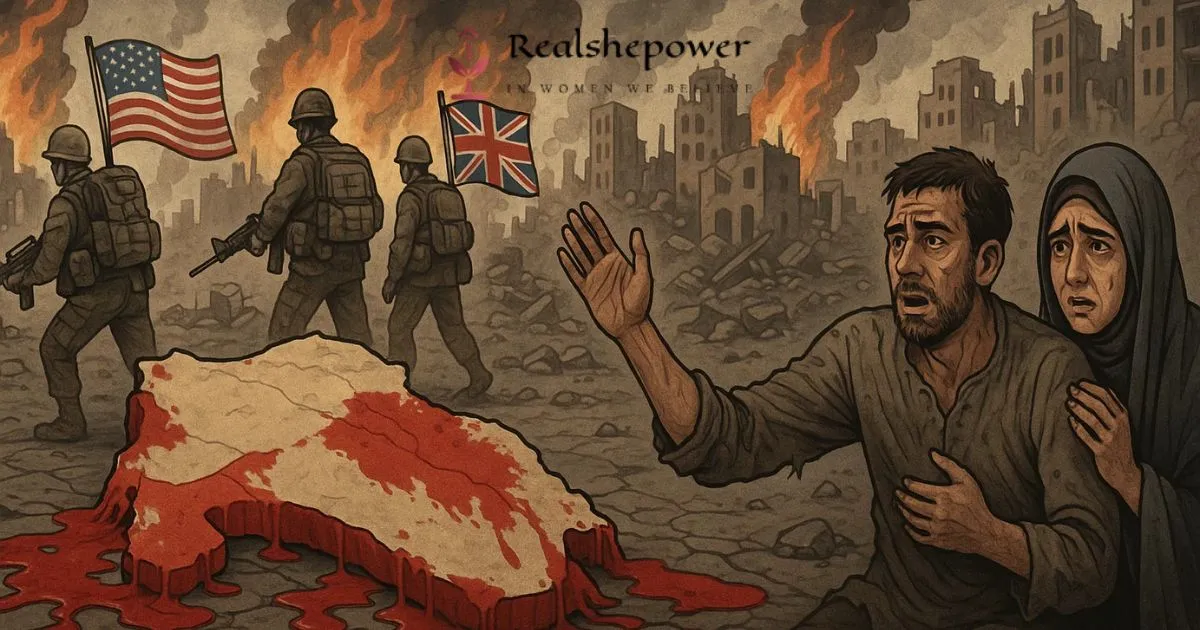
The history of the Middle East is deeply entwined with foreign interventions—colonial, imperial, ideological, and economic. Time and again, powers from outside the region have arrived with promises of peace, progress, or partnership, only to leave behind legacies of instability, mistrust, and fragmentation. These interventions—often under the guise of “liberation” or “stability”—have exacerbated divisions, undermined sovereignty, and sown seeds of enduring conflict.
The Colonial Carve-Up: Sykes-Picot and Betrayed Arab Hopes
After the collapse of the Ottoman Empire in World War I, Britain and France drew arbitrary borders through the secret Sykes-Picot Agreement (1916). This deal, made without the knowledge of the local Arab populations, divided the region into spheres of influence, ignoring ethnic, tribal, and religious realities on the ground. Simultaneously, the British McMahon–Hussein Correspondence had promised Arab independence in exchange for support against the Ottomans—promises that were quietly abandoned.
Broken Promise: Arab leaders were led to believe they would gain sovereignty. Instead, they got colonial rule—fueling a century of distrust toward the West.
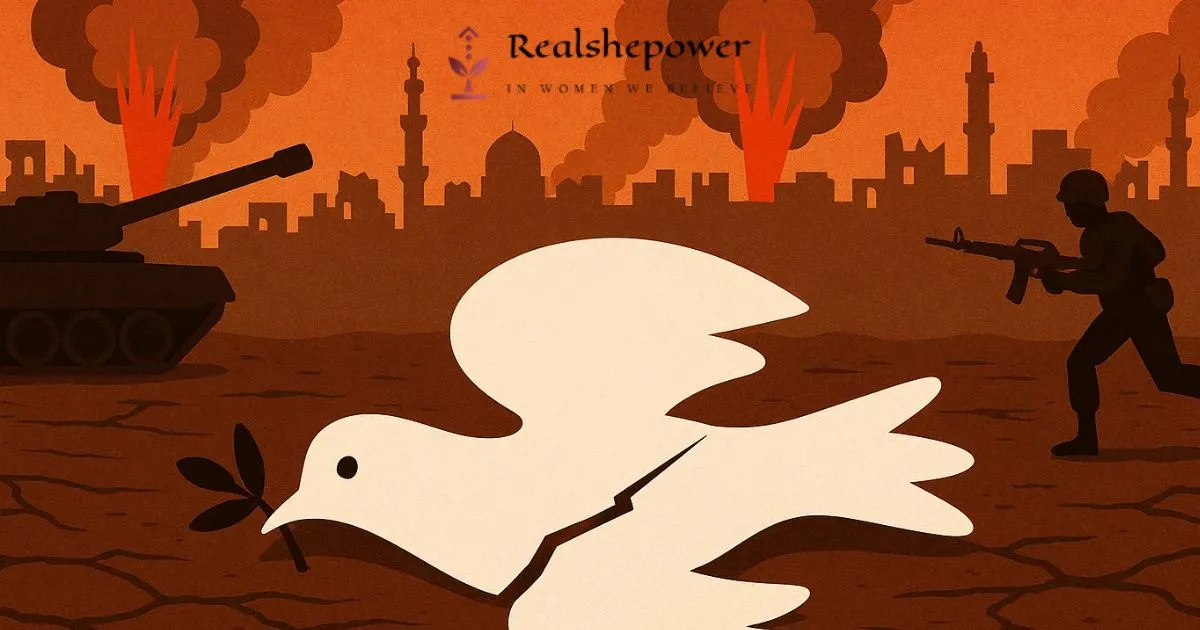
Is Peace in the Middle East Possible?
After decades of war, displacement, and foreign meddling, is peace in the Middle East just a dream—or a possibility worth fighting for?
Read Full StoryOil and Strategic Interests: The Real Agenda
The discovery of vast oil reserves turned the Middle East into a geopolitical chessboard. Western powers, especially the U.S. and Britain, supported authoritarian regimes that guaranteed oil supply over democracy or human rights. The 1953 CIA-backed coup in Iran that overthrew democratically elected Prime Minister Mohammad Mossadegh is one of the most infamous examples.
Consequence: The installation of the Shah sowed resentment that exploded in the 1979 Islamic Revolution—turning Iran into a fierce opponent of U.S. influence.
Cold War and Proxy Conflicts
During the Cold War, the Middle East became a proxy battlefield. The U.S. and the Soviet Union armed rival states and militant groups, propping up regimes and fueling arms races. Notable outcomes:
- U.S. support for Mujahedeen in Afghanistan — some of whom later formed Al-Qaeda.
- Soviet occupation of Afghanistan, destabilizing the region for decades.
Result: Temporary strategic wins for superpowers, long-term devastation for locals.
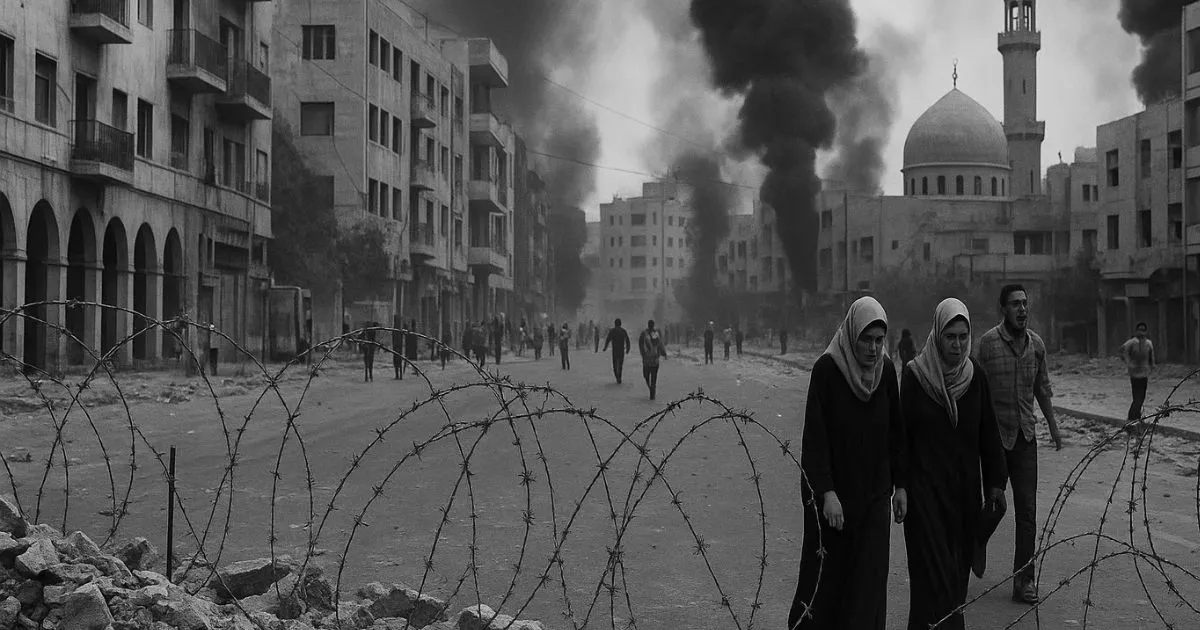
The Middle East Crisis Is Far Darker Than You Think
Uncover the layers of conflict, broken promises, and unspoken histories that continue to fuel unrest in the Middle East.
Read the Full ArticleThe Iraq War (2003): A Tragedy Disguised as Liberation
The U.S.-led invasion of Iraq in 2003, based on false WMD claims, led to Saddam Hussein’s ouster but plunged the country into chaos. The power vacuum gave rise to sectarian violence and ISIS.
Broken Promise: Democracy and stability were promised. Bloodshed and fragmentation followed.
Israel-Palestine and the Mirage of Peace Talks
Western nations have long positioned themselves as peace brokers in the Israel-Palestine conflict. But billions in military aid to Israel, the recognition of Jerusalem as Israel’s capital, and abandonment of the two-state solution have made many Palestinians view foreign efforts as biased and performative.
Consequence: Disillusionment with diplomacy, rising extremism.
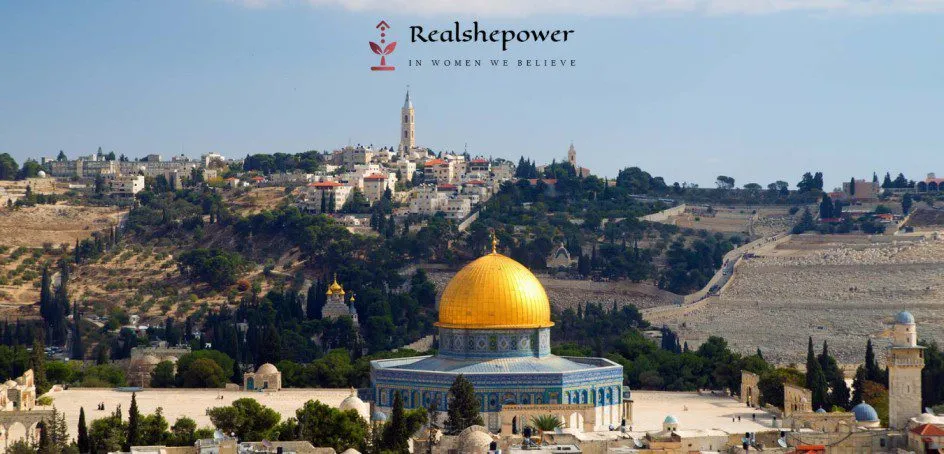
Jerusalem: The City of Peace or Conflict?
For centuries, Jerusalem has been the heart of faith—and the flashpoint of war. Discover the history, conflict, and hope rooted in its sacred stones.
Read MoreArab Spring and Foreign Fallout
Western enthusiasm for the Arab Spring quickly faded:
- Libya: NATO’s intervention ousted Gaddafi, leading to a failed state.
- Syria: Western hesitation allowed Russia and Iran to dominate.
- Egypt: Initial support for democratic change reversed with support for military rule.
Pattern: Support when convenient, abandonment when it costs.
Promises of Aid, Recovery, and Humanitarianism
Foreign powers often pledge billions in aid post-conflict—but delivery is sparse or conditional. Corruption, bureaucracy, and political games ensure little reaches the people:
- Yemen: A humanitarian crisis worsened by arms sales and blockade support.
- Gaza: Repeated destruction, with reconstruction promises unfulfilled.
Conclusion: The Cycle of Intervention and Disillusionment
Every foreign intervention in the Middle East follows a script:
- Grand Promise – of freedom, democracy, or peace.
- Strategic Play – resource control, regime change, or influence.
- Power Vacuum – unleashing instability or extremism.
- Withdrawal or Apathy – as local populations pay the price.
- Repeat – with the next generation.
Final Thought
The Middle East does not suffer from a lack of vision, culture, or resilience. What it lacks is genuine respect from global powers who, for too long, have treated the region as a pawn on a global board. The only way forward is to listen, restore trust, and finally prioritize people over politics.
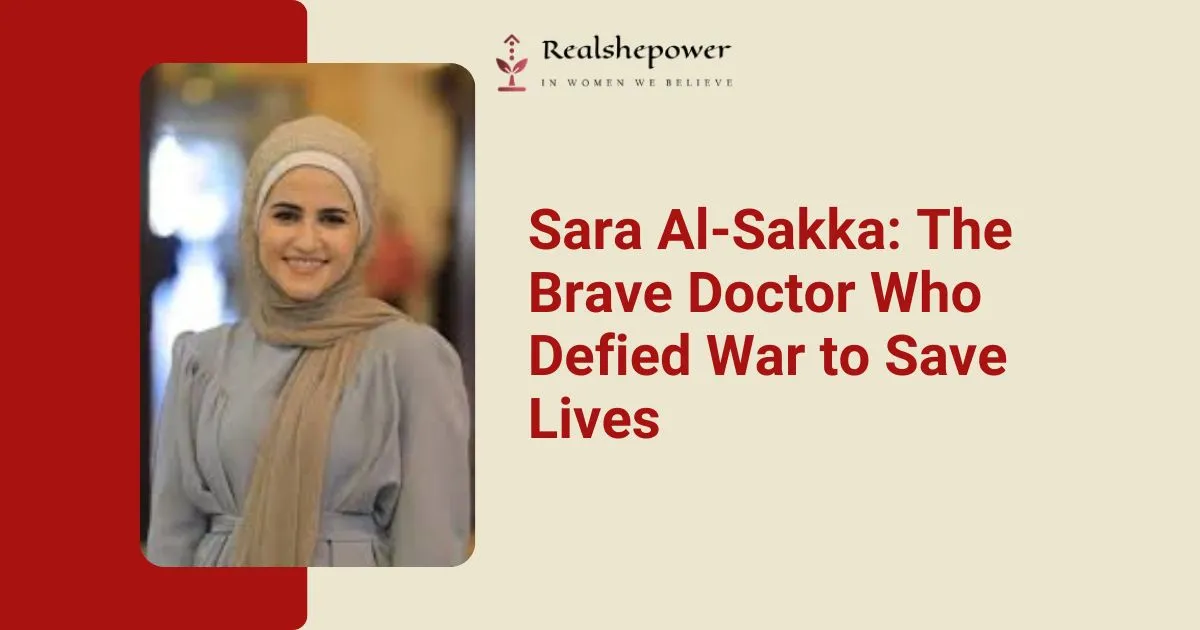
Dr. Sara Al-Sakka: A Beacon of Hope for Palestinian Girls
From conflict zones to classrooms, meet the Palestinian woman transforming trauma into education, healing, and empowerment for an entire generation of girls.
Read Her Story