The Silence That Killed: IIT Bombay’s Reckoning After Sahil Wakode
Summary
Sahil Wakode’s suicide at IIT Bombay after an exam misconduct incident exposed deep failures in mental-health support, disciplinary handling and institutional care. Family allegations of caste harassment, student protests, an 18-point reform charter, the dean’s removal and a Crime Branch probe demand independent investigation and systemic overhaul. Elite campuses can no longer treat student distress as collateral damage of excellence.
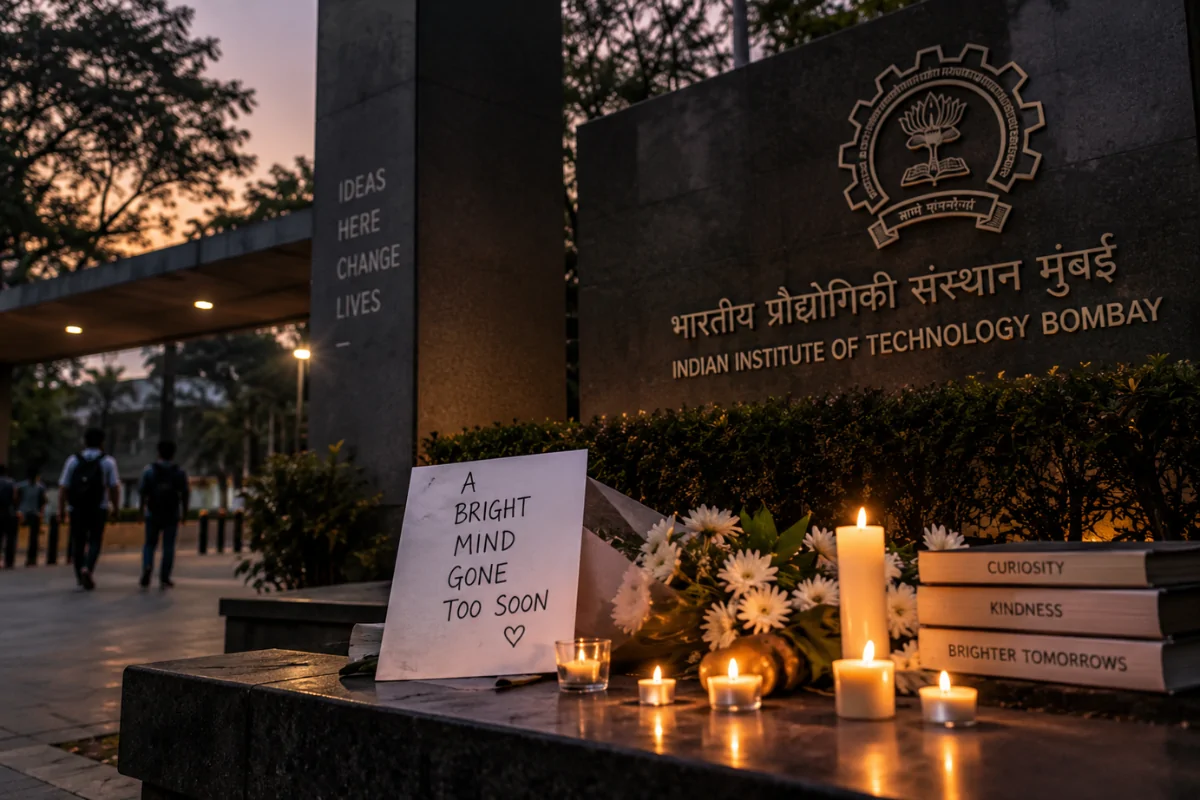
Sahil Wakode was 22, a second-year BTech student in Energy Science and Engineering at IIT Bombay, from Yavatmal. On 18 September 2026 he was found hanging from a ceiling fan in his hostel room. Hours earlier, during a mid-semester exam, he had been caught with a phone, uploading the question paper to ChatGPT. The institute’s first statement claimed no disciplinary action was taken, that he was counselled by the instructor and the Head of Department, and assured the incident would not harm his academic future. He returned to his room. By evening he was dead.
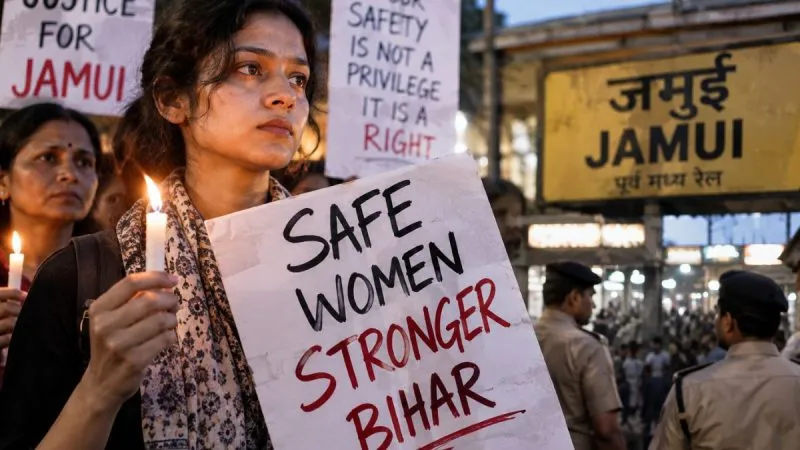
That sequence is the official version. The family’s version is darker. His parents allege prolonged caste-based harassment and institutional pressure, naming Professor Suryanarayana Doolla, the invigilator and then Dean of Administrative Affairs, in an FIR under abetment of suicide and the SC/ST (Prevention of Atrocities) Act. Mumbai Crime Branch is now examining CCTV from the exam hall, campus and hostel. Faculty forums from IIT Bombay, Delhi and Madras have stood by Doolla, insisting procedures were followed and discrimination claims are baseless. Students poured onto the Powai campus, sat in for days, forced an apology from the institute for its initial communication, secured Doolla’s removal as Dean, and extracted an 18-point charter covering independent inquiry, mental-health reforms, grievance mechanisms and student voice.
This is not an isolated tragedy. It is the third student suicide at IIT Bombay in seven months. Across all IITs, at least 171 students have died by suicide or other unnatural causes since 2006, with the rate accelerating sharply after 2016. Eighty-two percent occurred on campus. The pattern is clear: high-pressure environments, inadequate counselling, opaque disciplinary processes, and a culture that still treats mental distress as personal weakness rather than institutional failure.
The immediate trigger was an exam misconduct incident. Academic integrity matters. Cheating cannot be excused. Yet the leap from being caught with a phone to ending one’s life in a matter of hours reveals something far more corrosive. Either the counselling was perfunctory, the pressure crushing, or deeper wounds of isolation, fear of consequences, or alleged discrimination had already hollowed out resilience. The institute’s rapid public characterisation of the events, later retracted with an apology, only deepened the sense that the administration prioritised narrative control over care.
Caste allegations demand rigorous scrutiny, not reflexive dismissal or automatic acceptance. If true, they expose a betrayal of the constitutional promise that elite institutions were meant to uphold. If unfounded, they still highlight how quickly trust collapses when students from marginalised backgrounds feel unheard. Either way, the absence of a robust, independent SC/ST cell process that students actually use is itself an indictment.
The aftermath has been messy and revealing. Students demanded accountability and systemic change. The director signed their charter. Doolla was stripped of administrative duties pending investigation, yet remains a faculty member. Faculty closed ranks to protect a colleague from what they see as media and political trial. Crime Branch is reviewing footage. Ceiling fans are being replaced with wall-mounted ones, a mechanical response to a human crisis. These are the gestures of an institution under pressure, not yet of one transformed.
IIT Bombay and the entire IIT system have treated student mental health as an afterthought for too long. Prestige, rankings and research output have been allowed to overshadow the basic duty of care. When a student can move from exam hall to hostel room and from life to death in a few hours, the safety net is broken. Disciplinary processes that feel like threats rather than correction, counselling that arrives only after crisis, and an administration that speaks before it investigates all contribute to a climate where young people believe there is no way back.
Justice for Sahil requires an independent, transparent investigation that follows evidence, not campus politics or media pressure. It requires that any proven misconduct, whether by student or faculty, faces consequences. More urgently, it requires structural change: 24-hour accessible psychiatric support, mandatory sensitisation for faculty on mental health and caste dynamics, student representation in disciplinary bodies, and a cultural shift that treats seeking help as strength, not stigma.
Sahil Wakode did not die because he used ChatGPT. He died in an ecosystem that still has not learned how to hold its brightest minds when they break. The protests, the charter, the FIR and the faculty defence are symptoms. The disease is institutional indifference dressed as excellence. Until that changes, the next name will already be waiting in some other hostel room, under another ceiling fan, while the system pretends surprise.