
5 Unforgettable Dining Spots in Tokyo
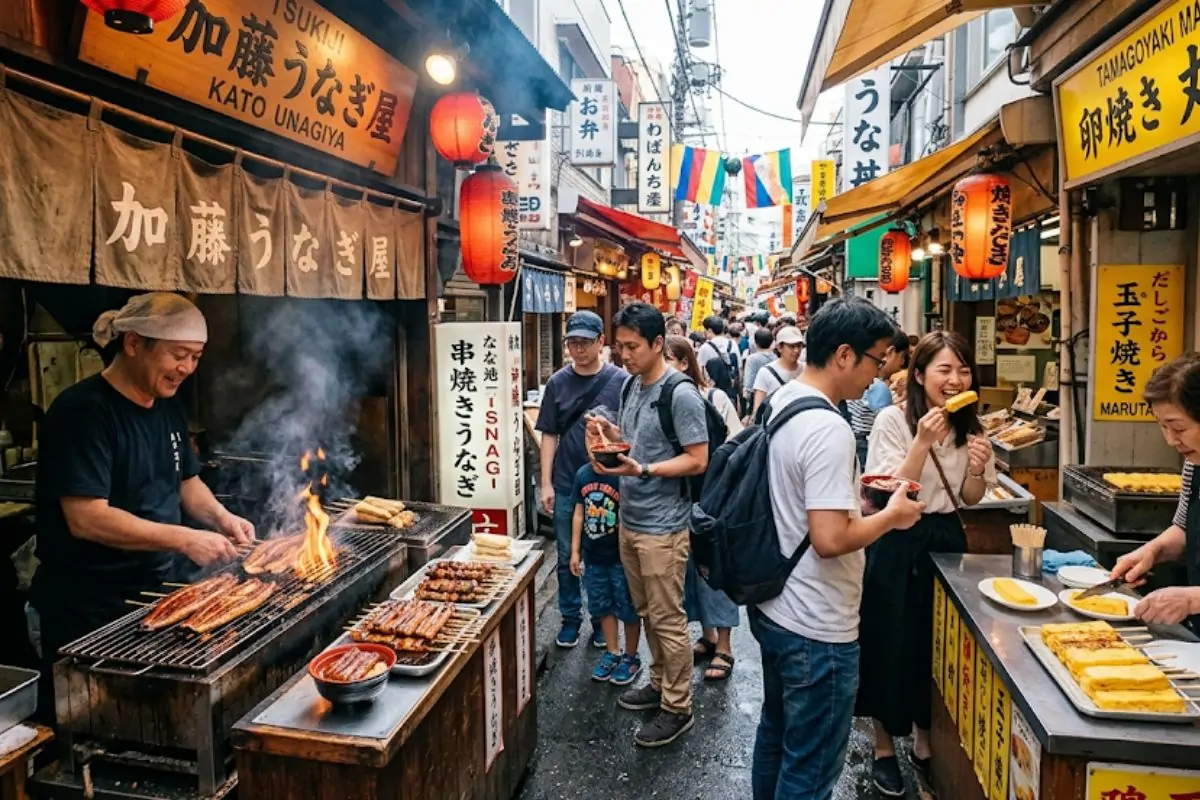
Tokyo is a city where tradition, precision, and culinary artistry converge. From century-old family kitchens dedicated to perfecting a single dish to modern dining rooms pushing the boundaries of flavor, the Japanese capital offers a dining landscape like no other. At the core of Japanese gastronomy iskodawari—a relentless pursuit of perfection through seasonal ingredients, meticulous preparation, and deep respect for the craft.
Here is an in-depth review of five top Tokyo dining destinations that showcase the incredible range and depth of Japanese cooking.
1. Sukiyabashi Jiro (Ginza)
Located in the basement of a Ginza office building,Sukiyabashi Jiro remains a legendary sanctuary forEdomaesushi. Chef Jiro Ono and his team elevate raw fish and seasoned rice into an unforgettable performance of temperature, texture, and balance.
Signature Style: Edomae Omakase(Chef’s Selection Course)
The Flavor Profile: The rice (shari) is prepared warm and seasoned with a sharp, fragrant rice vinegar that cuts through the fat of prime seafood. Highlights includeOtoro(fatty tuna), which melts instantaneously on the palate, andKohada(gizzard shad), cured with salt and vinegar to achieve a bright, clean acidity.
The Atmosphere: Intimate, focused, and reverent. The meal moves at a rhythmic pace, allowing each piece of nigiri to be consumed at its exact optimal temperature.
Verdict: Unmatched precision. It is less of a casual dinner and more of an intense, master-class experience in the geometry of sushi.
2. Narisawa (Minato)
For those seeking an innovative approach to modern Japanese cuisine,Narisawaoffers a groundbreaking bridge between nature and fine dining. Chef Yoshihiro Narisawa calls his philosophy “Satoyama Cuisine,” honoring the natural ecosystem of Japan’s soil, forests, and seas.
Signature Dish: Bread of the Forestand Seasonal Seafood
The Flavor Profile: The meal begins with living dough brought to the table, which proofs inside a hot stone vessel right before your eyes. It is infused with wild forest herbs, wood sap, and chestnut. Subsequent courses feature raw squilla mantis shrimp and seasonal wild botanicals,celebrating hyper-local forage.
The Sides: Artfully plated seasonal wild mushrooms, smoked butter shaped like mossy forest rocks, and delicate dashi broths made from mountain spring water.
Verdict: A poetic, sustainable masterpiece. Every dish engages the senses while connecting the diner directly to the Japanese landscape.
3. Tonkatsu Tonki (Meguro)
Operating since 1939,Tonkatsu Tonkiis a bustling, two-story institution dedicated entirely to the art of deep-fried pork cutlets. Watching the open kitchen operate with assembly-line precision is half the joy of eating here.
Signature Dish: Rosu-Katsu(Pork Loin Cutlet Set)
The Flavor Profile: Unlike typical airy, panko-crust cutlets, Tonki uses a crisp, thin batter that adheres tightly to thick slabs of juicy pork loin. The meat retains its moisture while the shell provides a satisfying, dark-golden crunch.
The Sides: Served on a wooden tray with a mountain of finely shredded raw cabbage, hot mustard (karashi), sweet dark tonkatsu sauce, pork-infused tonjiru soup, and steamed white rice.
Verdict: Pure comfort food executed with legendary consistency. Free cabbage and rice refills ensure no one leaves unsatisfied.
4. Afuri (Ebisunishi)
Named after Mount Afuri, from whose foothills the restaurant originally sourced its pure spring water,Afuritransformed Tokyo’s ramen scene by championing lighter, citrus-infused broths over heavy pork tonkotsu.
Signature Dish: Yuzu Shio Ramen
The Flavor Profile: A crystal-clear broth crafted from chicken, dashi, dried seafood, and vegetables, elevated by a splash of freshyuzu(Japanese citrus juice). The citrus cuts through the rich chicken fat, creating a bright, refreshing aroma. Thin rye noodles absorb the soup without becoming soggy.
The Highlight: A slab of pork belly (chashu) grilled over charcoal right before serving, adding a deep smokiness to the citrus-chicken base.
Verdict: Refreshing, aromatic, and perfectly balanced. Ideal for diners who prefer a clean, light,and fragrant noodle soup.
5. Tamagoyaki & Unagi at Tsukiji Outer Market (Tsukiji)
While the historic wholesale fish market moved to Toyosu, theTsukiji Outer Marketremains a vibrant street-food paradise bursting with charcoal smoke, fresh seafood stalls, and multi-generational vendors.
Signature Dishes: Freshly GrilledUnagi Don(Eel over Rice) &Tamagoyaki(Japanese Rolled Omelet)
The Flavor Profile: Freshwater eel grilled over white oak charcoal (binchotan), basted repeatedly in a sweet soy reduction (tare) until caramelizing into smoky perfection. Follow it up with a slice of warm, dashi-rich rolled omelet on a wooden stick, striking a pleasant balance between sweet and savory.
The Experience: Eating on your feet while weaving through narrow alleys packed with street vendors grilling scallops, uni, and wagyu skewers.
Verdict: The ultimate high-energy street culinary experience, showcasing traditional preservation techniques and centuries-old grilling methods.
What Defines Authentic Japanese Dining
- Respect for Seasons (Shun): Authentic kitchens alter their menus constantly to highlight ingredients at their absolute peak of seasonal flavor.
- Mastery of Dashi: The subtle umami foundation made from kelp (kombu) and dried bonito flakes (katsuobushi) underpins almost every soup, sauce, and braise.
- Simplicity and Focus: Rather than overwhelming a dish with dozens of spices, Japanese culinary arts prioritize letting the natural flavor of the core ingredient shine through.