Mechuka: The Hidden Himalayan Valley That Still Feels Like Another World
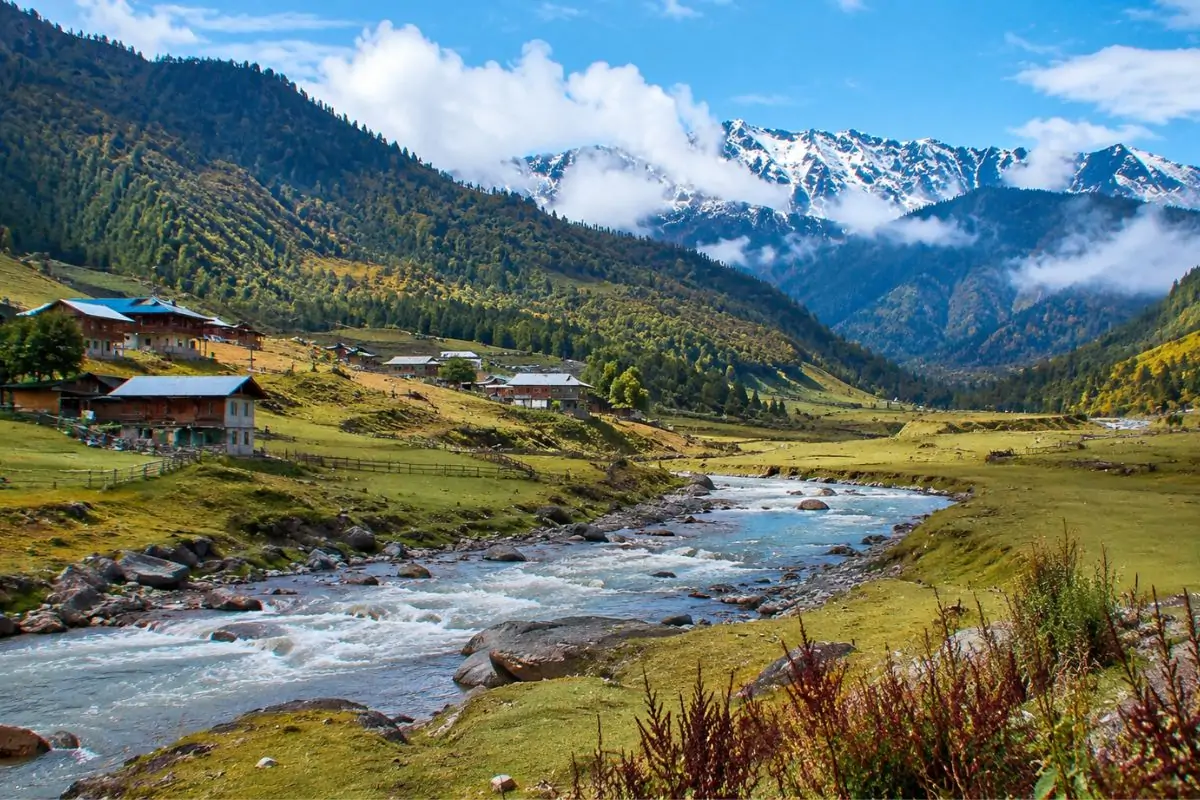
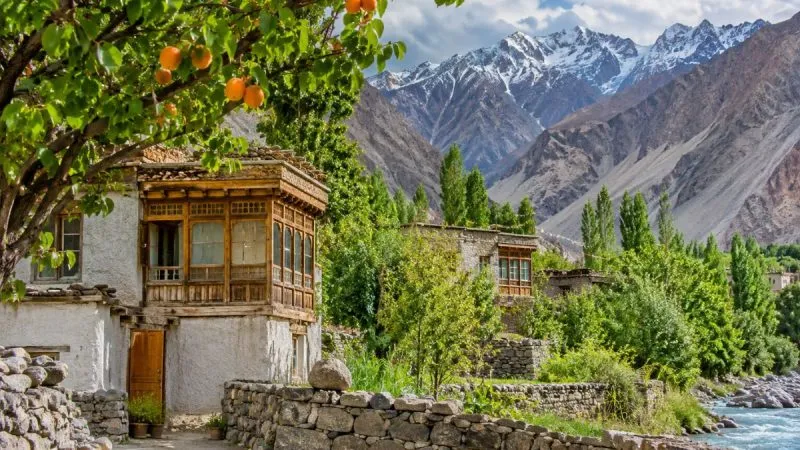
Far away in the mountains of Arunachal Pradesh, where the Siyom River winds through green meadows and traditional wooden houses sit beneath snow-covered Himalayan peaks, lies a valley that feels wonderfully removed from the modern world. Mechuka is remote, beautiful and rich in culture. It is the kind of destination that reminds you how much of India remains waiting to be discovered.
A Himalayan Valley Few Travellers Have Experienced
There are places you visit for their famous attractions, and then there are places you remember for how they make you feel. Mechuka belongs firmly in the second category.
Located in the Shi Yomi district of Arunachal Pradesh, Mechuka is a small mountain town close to India’s international border with China. Also spelt Menchukha or Mechukha, it sits at approximately 6,000 feet above sea level, surrounded by the eastern Himalayas.
The valley is shaped by the beautiful Siyom River, known locally as Yargyap Chu. Its waters move through wide stretches of grassland, traditional settlements and forest-covered mountains. On clear days, distant snow-covered peaks create a spectacular backdrop.
Unlike popular hill stations, Mechuka has no crowded promenades, fashionable shopping streets or endless rows of tourist cafés. Its appeal is its natural landscape, quiet villages and the feeling of discovering somewhere that has not been transformed entirely by tourism.
Where the Mountains Meet the Siyom River
The Siyom River is one of Mechuka’s most striking natural features. It flows through the valley, creating beautiful riverbanks, small bridges and open spaces where visitors can simply sit and enjoy the surroundings.
The landscape changes with the seasons. During warmer months, the valley becomes greener, with forests and meadows adding colour to the mountains. In winter, the surrounding peaks can wear a blanket of snow, giving the region an entirely different character.
Traditional footbridges and village paths add to the experience. Walking through the valley offers opportunities to observe local life, see traditional homes and appreciate the relationship between the communities and their mountain environment.
Outdoor activities such as trekking, cycling and water-based adventures may be available depending on local conditions. Always use experienced local operators for activities on the river, where water levels and weather can change quickly.
The Memba People: The Cultural Heart of Mechuka
Mechuka is not simply a beautiful Himalayan landscape. Its identity is deeply connected to the communities who have lived here for generations.
The Memba are among the principal communities of the region. Their cultural heritage has strong connections with Tibet, and Mahayana Buddhist traditions play an important role in local life. Other communities, including the Ramo, Bokar and Libo, also contribute to the cultural identity of the valley.
This heritage can be seen in traditional architecture, monasteries, prayer flags, festivals and everyday customs. Wooden homes, colourful decorations and small village settlements reflect a way of life shaped by the mountains.
For visitors, the most meaningful experience may not be a particular monument or viewpoint. It may be a conversation with a local resident, a traditional meal shared at a homestay or an opportunity to understand how people live in this remote Himalayan region.
Travellers should approach local communities respectfully. Ask permission before photographing residents, homes or religious ceremonies, and support locally owned accommodation and businesses wherever possible.
Samten Yongcha Monastery: A Window Into the Valley’s Spiritual Heritage
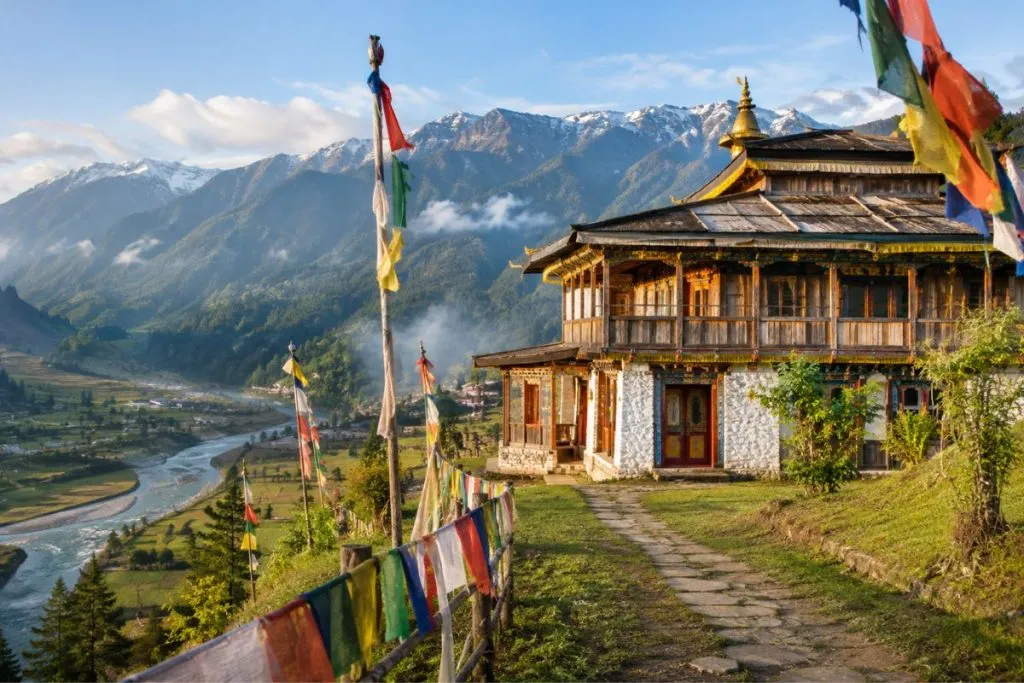
One of Mechuka’s most important cultural landmarks is Samten Yongcha Monastery, also known as the Old Gompa.
Traditionally believed to be around 400 years old, the monastery is associated with the Mahayana Buddhist tradition. Located on elevated ground, it offers a wonderful view of the surrounding valley.
Its religious statues, old manuscripts, traditional architecture and ceremonial objects provide a glimpse into the spiritual heritage of the region.
The visit is rewarding even for travellers who are not particularly interested in religious architecture. The surrounding landscape, with mountains stretching into the distance, makes the monastery an especially memorable place.
Visitors should dress modestly, maintain silence where appropriate and follow local instructions.
Explore Dorjeeling and the Traditional Villages
A trip to Mechuka should include time in the surrounding settlements.
Dorjeeling Village is among the places highlighted in local tourism information. Its traditional homes and mountain surroundings offer a closer look at the everyday life of the valley.
Walking through village lanes is a good way to notice the details that make Mechuka distinctive: wooden balconies, small gardens, prayer flags, local farms and houses built to withstand the mountain climate.
A local guide can help visitors understand the history of the settlements and explain cultural traditions that might otherwise go unnoticed.
The experience is best enjoyed slowly. Instead of rushing between attractions, allow time to explore, observe and appreciate the landscape.
Neh Pemashubu: A Sacred Place in the Mountains
For travellers interested in the spiritual history of Arunachal Pradesh, Neh Pemashubu is another place worth exploring.
Located approximately 13 kilometres from Mechuka, this sacred site is associated with Guru Padmasambhava, also known as Guru Rinpoche. Local religious traditions connect the area with his meditation.
Its natural surroundings contribute to the peaceful atmosphere. The site is an important part of the region’s spiritual landscape, so visitors should approach it respectfully and follow any local guidance.
Siko Dido Waterfall and the Natural Beauty Beyond the Town
Mechuka’s attractions extend beyond its river and monasteries.
Siko Dido Waterfall, located along the route towards Tato, is another natural attraction in the region. The surrounding landscape offers opportunities to appreciate the forests, streams and mountain scenery that make this part of Arunachal Pradesh so special.
The area is also suitable for nature walks and outdoor exploration. However, trails and roads can be affected by rain, landslides and changing weather.
Do not venture into unfamiliar terrain without checking local conditions. For longer walks and treks, a knowledgeable local guide is strongly recommended.
Losar: When the Valley Celebrates a New Beginning
One of the important cultural celebrations in the region is Losar, the Tibetan Buddhist New Year.
For communities that observe it, Losar represents renewal, prayer, family gatherings and the beginning of a new year. Monasteries become important centres of celebration, while traditional customs bring families and communities together.
The festival follows the lunar calendar, so its dates vary each year. Travellers interested in experiencing Losar should confirm the local celebration schedule before planning their visit.
A festival visit can offer a deeper understanding of Mechuka. It allows visitors to experience the valley as a living cultural destination rather than simply a scenic mountain location.
What to Eat in Mechuka
Food in Mechuka reflects the region’s mountain environment and cultural influences. Visitors should expect simple, warming meals rather than an elaborate restaurant scene.
Some dishes and drinks travellers may encounter include:
- Thukpa:A comforting noodle soup that is especially welcome in cold weather.
- Momos:Steamed dumplings with vegetable or meat fillings.
- Rice-based meals:Often served with seasonal vegetables and local accompaniments.
- Meat and vegetable preparations:Traditional dishes prepared differently across households and communities.
- Butter tea:A traditional drink associated with several Himalayan cultural regions.
Food availability can vary between homestays and small eateries. Ask your hosts about local specialities and seasonal ingredients. A home-cooked meal may become one of the most memorable parts of your journey.
How to Reach Mechuka
Reaching Mechuka requires planning because the valley is located in a remote part of Arunachal Pradesh.
By air:Dibrugarh Airport in Assam is one of the main air gateways used by travellers visiting the region. From there, an onward road journey is necessary. Check available transport before booking connecting travel.
By train:Murkongselek is a railway station used by some travellers approaching this part of Arunachal Pradesh. Road transport is required for the remaining journey.
By road:Aalo, also known as Along, is an important gateway for the road journey to Mechuka. The route passes through mountainous terrain, and travel times can vary considerably depending on weather and road conditions.
The journey itself is part of the experience. The landscape gradually changes as you move deeper into the mountains, revealing rivers, forests, villages and increasingly dramatic views.
Avoid planning tight connections. Mountain journeys can take longer than expected, particularly during the rainy season.
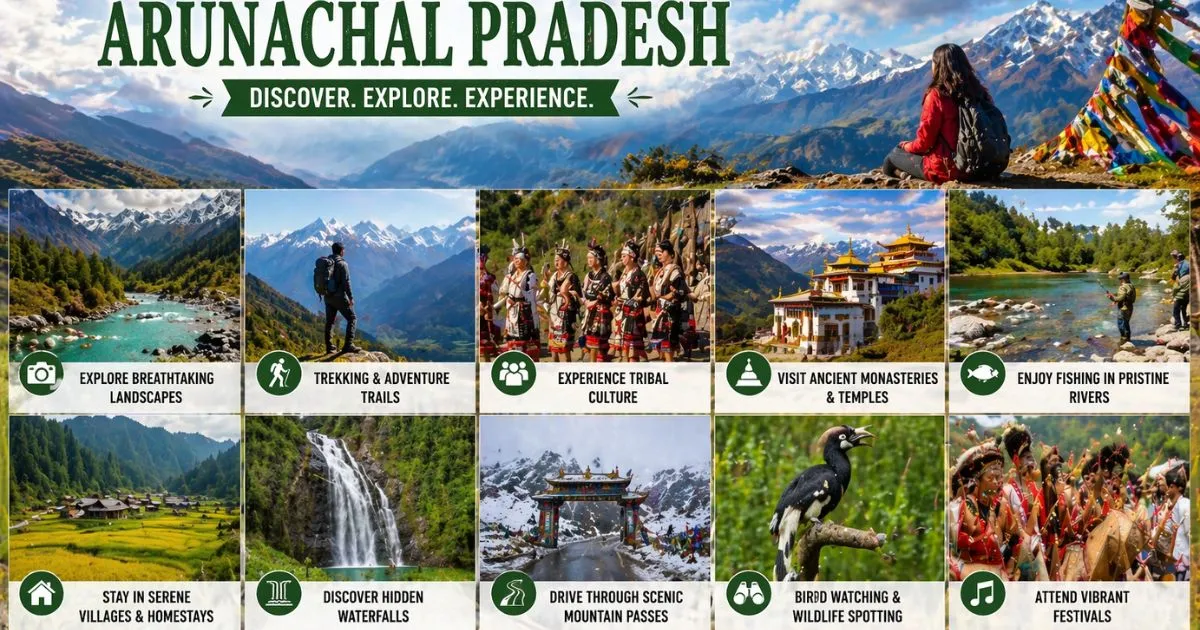 Travel & Adventure
10 Amazing Things to Do in Arunachal Pradesh
From Tawang Monastery and Sela Pass to Mechuka, Ziro Valley, Nuranang Falls and hidden Himalayan landscapes, discover 10 unforgettable experiences across Arunachal Pradesh.
Read Full ArticleWhen Is the Best Time to Visit Mechuka?
Mechuka changes considerably throughout the year, so the best time depends on the kind of experience you want.
March and April:Spring brings changing greenery and pleasant opportunities for exploring, although mountain weather can be unpredictable.
May to September:The valley becomes lush and green. However, this period overlaps with the monsoon, when heavy rain can affect roads and outdoor activities.
October and November:These months are generally worth considering for a first visit. The weather is often more favourable for sightseeing and outdoor exploration, although conditions should always be checked locally.
December to February:Winter brings colder temperatures and the possibility of snow in the surrounding mountains. It can be beautiful, but road disruptions and limited services may make travel more challenging.
For most first-time visitors, October and November are sensible months to consider.
Where to Stay in Mechuka
Mechuka is not a destination where travellers should expect a large selection of luxury hotels and international resorts.
Homestays and modest guesthouses are often the more practical options. Staying with local hosts can also make the experience more personal, allowing visitors to learn about regional food, traditions and everyday life.
Before booking, confirm whether meals are included, whether hot water and heating are available, and whether transport or local guides can be arranged.
Mobile connectivity may be inconsistent, and digital payment facilities should not be taken for granted. Carry some cash and essential supplies.
Booking accommodation in advance is particularly important during festivals and busy travel periods.
A Simple Three-Day Mechuka Itinerary
Day 1: Explore the Valley
Arrive in Mechuka and settle into your accommodation. Spend the afternoon exploring the town, walking beside the Siyom River and getting familiar with the surrounding landscape. Enjoy a relaxed evening at your homestay.
Day 2: Culture and Heritage
Visit Samten Yongcha Monastery and explore Dorjeeling and nearby traditional settlements. Learn about Memba culture, local architecture and the region’s Buddhist heritage. Try a home-cooked meal in the evening.
Day 3: Nature and Spiritual Sites
Visit Neh Pemashubu, subject to local access conditions. Explore Siko Dido Waterfall if road and weather conditions permit. Spend some time enjoying the river and surrounding scenery before continuing your journey.
If possible, allow four or five days for the overall trip, especially when the long road journey is included.
Important Travel and Permit Information
Arunachal Pradesh has special entry requirements because of its strategic location and international borders.
Indian domestic tourists generally need an Inner Line Permit (ILP) to enter the state. Foreign nationals are subject to separate permit and registration requirements.
Mechuka’s proximity to the international border makes it especially important to follow instructions from local authorities. Permission to enter Arunachal Pradesh should not be assumed to provide unrestricted access to every location in the border region.
Check the latest permit requirements through the official Arunachal Pradesh government portal and the Shi Yomi district administration before travelling.
Also check road conditions, weather alerts, accommodation availability and any local restrictions before departure.
Is Mechuka Worth the Difficult Journey?
Mechuka is not for every traveller.
The road journey can be tiring, facilities are limited, and the weather may disrupt even carefully prepared plans. Anyone looking for nightlife, luxury shopping or a packed sightseeing schedule may find the destination too quiet.
But for travellers who appreciate mountains, cultural experiences, open landscapes and places that have retained their individuality, Mechuka offers something increasingly rare.
You can spend an afternoon beside the river without feeling the need to rush anywhere. You can visit a centuries-old monastery, walk through a traditional settlement or simply watch clouds move across the mountains.
There is a certain freedom in being somewhere that does not constantly demand your attention.
Perhaps that is what makes Mechuka feel like another world. Not because it is disconnected from India, but because it reveals a side of the country that many travellers have yet to experience.
Frequently Asked Questions About Mechuka
1. Where is Mechuka located?
Mechuka is a mountain town in Shi Yomi district, Arunachal Pradesh, in northeastern India. It is located close to the India-China border.
2. How high is Mechuka?
Mechuka is situated at approximately 6,000 feet, or around 1,830 metres, above sea level.
3. What is Mechuka famous for?
It is known for its Himalayan valley, the Siyom River, Memba culture, traditional villages and Samten Yongcha Monastery.
4. How many days are enough for Mechuka?
Three to four days in the valley is a useful starting point. Allow additional time for the long journey from the nearest major transport gateways.
5. Is Mechuka suitable for family travel?
Yes, for families comfortable with long road journeys and limited facilities. Families travelling with young children or elderly members should plan carefully around road conditions, weather and access to medical facilities.
6. Do Indian tourists need a permit to visit Mechuka?
Indian citizens generally require an Inner Line Permit to enter Arunachal Pradesh. Check the latest official requirements before travelling.
7. Can tourists visit Mechuka in winter?
Yes, but winter travel can be challenging because of low temperatures and possible road disruptions. Confirm local conditions before setting out.
8. Is Mechuka suitable for solo travellers?
It can be rewarding for solo travellers who plan transport and accommodation in advance. Using local guides and sharing your itinerary with someone is sensible in this remote region.
The Real SHEE Power Takeaway
Mechuka is a reminder that travel does not always have to be about famous landmarks, crowded attractions or luxury experiences. Sometimes, the most extraordinary journeys take us to places where nature still sets the pace, culture remains part of everyday life and silence becomes a luxury of its own.
If you are looking for a Himalayan destination that feels genuinely different, put Mechuka on your travel list.