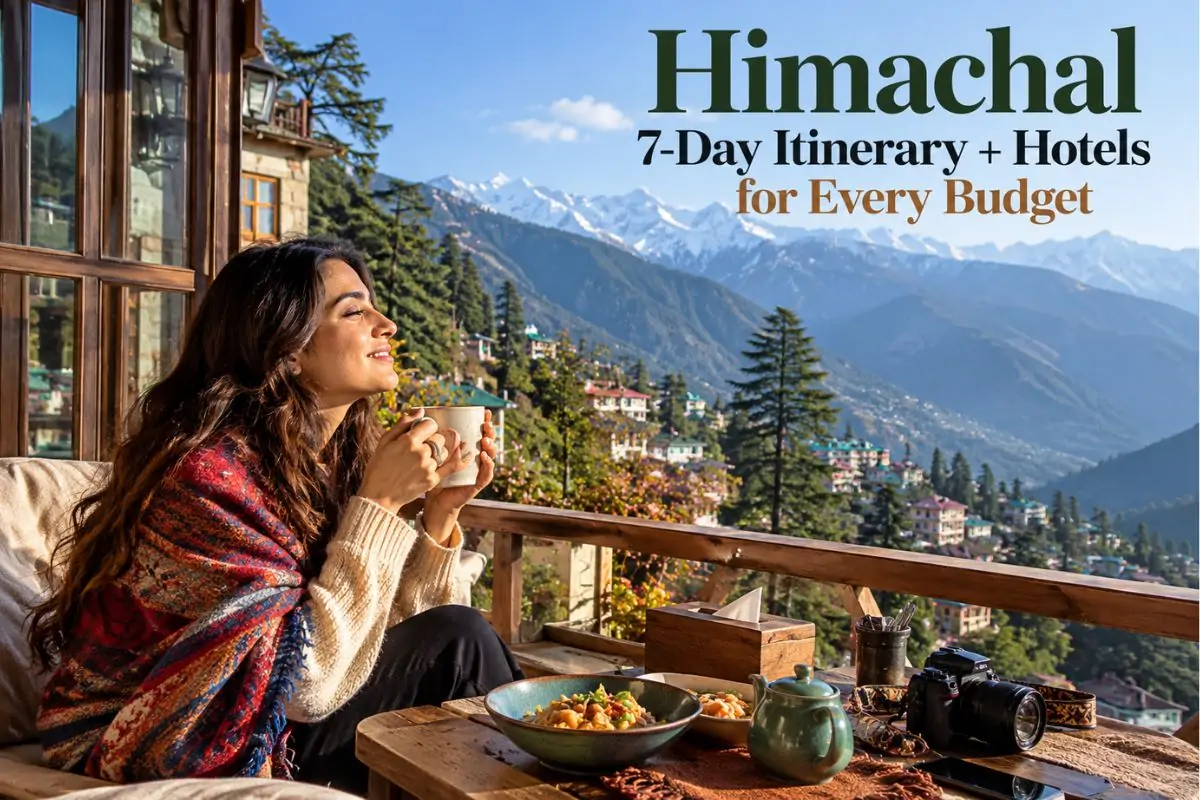
Himachal in 7 Days: Pine Forests, Snow Peaks and Where to Sleep at Every Budget
A note on the hotel picks.I checked current listings and travel guides before writing this. Hotel prices and availability shift with season, weather and road conditions, so I’ve quoted rupee figures only where a source gave one and marked everything else as a tier. Names come from hotel platforms and travel sites, not personal stays. Check live rates and recent reviews before you book.
Himachal Pradesh is the state that asks “how many days do you have?” and then quietly adds one more valley to your list. One morning you’re sipping tea beside a colonial-era church, the next you’re watching snow-covered peaks from a riverside café, and by day six you’ve stopped checking your phone and started checking the weather like a local.
This route covers three very different Himachals in a week: colonial Shimla, adventure-minded Manali and the laid-back Parvati Valley around Kasol. For more inspiration, browse theHimachal Pradeshtag, theUttarakhandtag for a neighbouring mountain state, theTravel Guidecollection and the fullTravelhub.
Table of Contents
The Route at a Glance
| Days | Stop | Highlights |
|---|---|---|
| 1 to 2 | Shimla (with Kufri or Mashobra) | Mall Road, Ridge, Christ Church, forest walks |
| 3 to 4 | Manali | Old Manali cafés, Solang Valley, Hadimba Temple |
| 5 to 6 | Kasol / Parvati Valley | Riverside walks, Manikaran, Tosh or Kheerganga treks |
| 7 | Departure | Return via Bhuntar or by road to Chandigarh or Delhi |
Want a different flavour?Swap Kasol for Dharamshala and McLeod Ganj for Tibetan culture, cafés and Dhauladhar views. Hotel pointers for both are below.
When to Go (and What to Know Right Now)
The best seasons are spring (March to May) and autumn (September to November). Late October, as I write, is early winter in the high hills: crisp days, cold nights and the first snow on the higher passes. If you’re travelling now or in winter, expect lower temperatures, possible snowfall and road disruptions, and check the status of high passes and tunnel routes before you commit to a high-altitude day. Monsoon (roughly July to September) brings landslide risk on mountain roads, so build buffer days into any monsoon trip.
Always check current road, weather and permit information with local authorities or your hotel before you go.
Where to Stay: The Honest Hotel Guide
Pick the tier that fits your trip, and mix and match. Many travellers splurge on one memorable night and save on the rest.
Rough budget reality.One travel guide suggests that a budget traveller could manage on roughly ₹1,500 to ₹2,500 per day, covering basic guesthouses, local meals and public transport, with costs higher in popular tourist areas like Shimla and Manali. Another puts mid-range spending at roughly ₹3,000 to ₹5,000 per day, and says luxury travel can easily exceed ₹10,000 per day. Treat those as ballparks, since peak season and festival weekends push prices up.
Budget Stays (Hostels, Guesthouses and Simple Hotels)
Himachal is excellent for budget travel. Simple rooms with hot water, Wi-Fi and a view are everywhere, and the backpacker scene is lively.
Shimla
- Accommodation in Shimla starts from as low as ₹700 for budget and 2-star options and climbs past ₹15,000 for luxury hotels. Rooms near Mall Road cost more, and stays a short walk or drive away often give better value.
Manali
- Hostels cluster around Old Manali, a hub for backpackers, cafés and riverside walks, and hotel platforms list plenty of hostels and guesthouses there. Staying in Old Manali puts you near the café scene but a bit away from the main market, so check the walking distance to the bus stand or taxi stand.
Kasol and Parvati Valley
- The Stream Kasolis a riverside property with a restaurant, rated 9.1 out of 10 on one hotel platform.
- Hotel Brownie River Viewis another Kasol guesthouse, rated 8.9 out of 10 across 266 reviews on one platform.
- Hostels and guesthouses in Kasol, Tosh and Manikaran are plentiful, and Kasol is widely known as a backpackers’ favourite with plenty of budget stays.
Dharamshala and McLeod Ganj (if you swap)
- Platforms list hostels in McLeod Ganj, Bhagsu and Dharamshala, plus budget hotels that typically offer clean rooms, hot water and basic comfort for short stays. McLeod Ganj suits sightseeing, while Lower Dharamshala is easier to reach.
Budget tips:
- Ask whether heating is included. In winter, a heater can cost extra or be unavailable in the cheapest rooms.
- Check recent reviews for hot water, cleanliness and noise.
- Look for properties that offer breakfast, since it saves money and time.
Mid-Range Stays (Comfortable, Scenic, Not Painful)
Expect clean rooms, good views, restaurants on-site and often heating and a decent breakfast. One guide describes Kullu-region mid-range hotels as typically falling in the ₹2,500 to ₹6,000 range, with small restaurants on-site and personalised service, which is a useful rule of thumb across the region.
- Honeymoon Inn, Shimla (Lower Mall Road):described as an iconic mid-range stay with plush interiors, well-kept gardens and mountain views, listed at around ₹5,400. Rates change with season.
- Larisa Resort, ShimlaandFortune Park Kufriare both listed among Himachal’s popular mid-range to upper-mid properties on hotel platforms.
- The Retreat Mashobra:a quieter stay outside Shimla’s centre, good if you want forest quiet.
- The Orchard Greens Resort, Manali:listed as a centrally heated property, handy in cold months.
- Valley View Kasol:a Kasol option listed among popular hotels with views.
Luxury Stays (The “I’ve Earned This” Tier)
Think heritage architecture, spa treatments, fireplaces and views that justify the price on their own.
- Wildflower Hall, an Oberoi Resort, Shimla:a luxury hilltop resort rated 9.6 out of 10 across 97 reviews on one platform.
- The Oberoi Cecil, Shimla:a heritage hotel in the town centre, rated 9.6 out of 10 across 142 reviews.
- Baragarh Resort & Spa, Manali (IHCL SeleQtions)andWelcomhotel by ITC Hotels, Hamsa Manali:upscale Manali options, with the latter rated 8.8 out of 10 on one platform.
- Hill River Resort by West Western, Manali:listed among top luxury hotels in Manali, rated 9 out of 10 on one platform.
- Radisson Blu Resort DharamshalaandHyatt Regency Dharamshala Resort:the usual luxury picks if you add Dharamshala, both with strong ratings on hotel platforms.The Belvedere Himalayan Retreat, McLeod Ganjis another highly rated pick there.
- Welcomhotel by ITC Hotels, Tavleen, Chail:a luxury stay in Chail, a quieter hill town near Shimla, rated 9.6 out of 10 across 20 reviews.
Luxury tip:Many of these properties offer wellness and Ayurvedic treatments. BrowseAyurvedaandHome Remediesfirst so you know what to expect, and use qualified practitioners at reputable centres.
Day-by-Day Itinerary
Day 1: Arrive in Shimla
Fly into Chandigarh and take a road transfer (a few hours, winding in the last stretch), or take the scenic train route if you enjoy slow travel. Check in, rest and walk along Mall Road and the Ridge as the lights come on. Dinner is a good time to try Himachali dishes such as siddu, dham-style meals or local trout, depending on where you eat.
Day 2: Shimla, Kufri or Mashobra
Visit Christ Church and the colonial-era buildings in the morning, then choose your afternoon: a forest walk in Mashobra, a short outing to Kufri or a slow hour in a café. Shimla is busy and commercial in places, so a quieter half-day outside the centre often feels better.
If you enjoy gentle plantation-and-forest scenery elsewhere, read our guide toChikmagalur, Karnataka’s coffee capital in the clouds.
Day 3: Shimla to Manali
A long road day (usually many hours, depending on traffic and road conditions), so start early. Break the journey in Kullu or at a riverside stop, and check weather and road updates before you leave. Arrive in Manali, settle in and keep the evening easy.
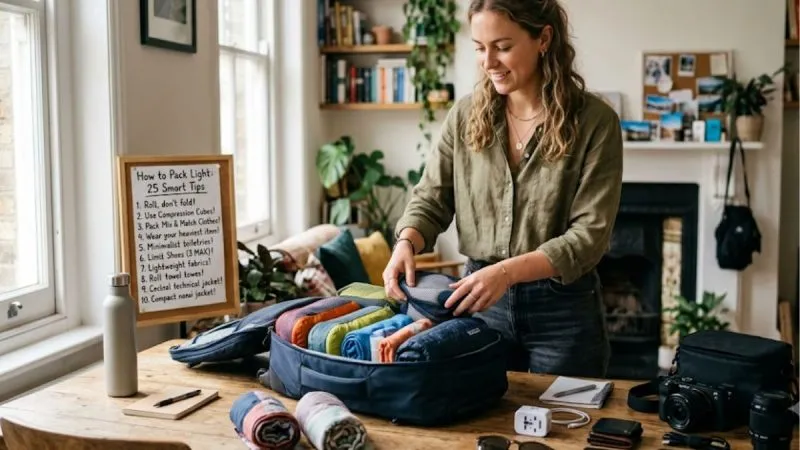
If you’re prone to motion sickness, carry remedies, sit near the front and take breaks. Pack light, because hill-road transfers are far easier without a monster suitcase. Our25 classy and sassy life hacks every woman should knowhave a few travel-friendly tricks.
Day 4: Manali, Solang Valley and Old Manali
Spend the morning at Hadimba Temple and the Manali market, then head to Solang Valley for the views and, in season, snow and adventure activities (check what’s operating, operators’ safety credentials and prices). In the evening, wander Old Manali’s riverside cafés.
Be careful with adventure activities. Choose registered operators, confirm safety gear and weather conditions, and don’t be talked into something that feels wrong. If you love adrenaline, theAdventuretag has more.
High passes and some routes beyond Manali may be restricted or closed in winter or bad weather, and some require permits. Check current rules locally before planning anything beyond Solang.
Day 5: Manali to Kasol
Take a road transfer to Kasol in the Parvati Valley (a few hours, with a stop in Bhuntar or Kullu if needed). Settle in beside the river, wander the village and try the cafés. Kasol has become popular, so you’ll find plenty of backpacker-friendly food and music, and the scene is calmer outside peak times.
Day 6: Manikaran, Tosh or a Short Trek
Visit Manikaran, known for its hot springs and a gurdwara and temple complex, or head to Tosh for views and a village atmosphere. If you’re up for a trek (Kheerganga is a popular one), go only with good weather, proper footwear, enough daylight and, ideally, a local guide or group. Trails can be icy or snowbound in cold months, so check conditions first.
Altitude and cold also matter. Pace yourself, drink water, dress in layers and don’t ignore headaches or dizziness.
Day 7: Departure
Return via Bhuntar airport or by road to Chandigarh or Delhi. Build in a generous buffer for mountain roads, landslides and weather delays, and don’t schedule a tight flight on the same day if you can avoid it.
What to Eat
- Siddu:steamed, stuffed wheat bread, usually served with ghee and chutney
- Dham:a traditional festive meal served on leaf plates, especially in the Kangra and Chamba regions
- Trout:often found in the Kullu and Parvati valleys
- Momos and thukpa:especially in McLeod Ganj, thanks to the Tibetan community
- Himachali apple products:juice, jams and cider (verify what you’re buying)
- Chai and maggi at a roadside stall:a tradition in its own right
If you love feast culture, read aboutthe Georgian SupraandKashmir’s Wazwan, and for dumpling devotees,Georgia’s juicy khinkalimakes a fun comparison with Himachali and Tibetan dumplings. Browse theFoodsection,RecipesandTravel the World on a Platefor more.
Budget Planning: Spending Styles
Use these as mental categories, since costs vary with season and location.
- Backpacker:hostel dorms or basic guesthouses, local buses, simple meals and shared taxis
- Comfortable:mid-range hotels with breakfast, private cabs for long transfers, restaurant dinners and one paid activity a day
- Treat yourself:luxury resorts, private drivers, spa days and guided experiences
Skim9 things you should stop buying if you want to build wealthbefore you book, and watch thepink taxon toiletries and travel gear. TheMoneytag has more ways to stretch your rupees.
Money-saving tips:
- Travel in shoulder season for better rates.
- Avoid long weekends and peak holidays, when Shimla and Manali fill up and prices jump.
- Compare prices across platforms, and ask properties about direct booking rates.
- Use state transport (HRTC buses) for some longer hops, and private cabs where you need flexibility.
- Split taxis with other travellers.
- Eat where locals eat.
Getting Around
- Shimla to Manali, Manali to Kasol:road transfers by bus, shared taxi or private cab. Mountain roads are slow and sometimes closed by weather, so check updates and allow extra time.
- Within towns:walking, autos and local taxis. In hill areas, hiring a driver for the day gives local knowledge and less stress.
- Driving yourself:only if you’re experienced with mountain roads. Many travellers prefer a local driver, especially in winter.
Travelling Solo in Himachal
Himachal is popular with solo travellers, including women, thanks to its backpacker infrastructure, hostels and active traveller community. Standard precautions still apply: share your itinerary, choose well-reviewed stays, avoid isolated trails alone after dark, and trust your instincts.
Read recent reviews for safety comments before you book, and consider women-friendly hostels or guesthouses with good lighting and staff presence. For more, see our guide tosolo travel for women, theSolo Travelsection and oursafety tips for solo trips in India. For emergencies, commonly listed numbers include112(national emergency) and1091(women in distress), plus the tourist helpline1363. Confirm current numbers before you travel.
Trusting your gut matters on the road. History offers a famous example inStanislav Petrov, the man who trusted his gut over the machine, and for a lesson in why “too good to be true” deals deserve suspicion, read aboutVictor Lustig, who sold the Eiffel Tower, twice.
What to Pack
- Warm layers (thermals, fleece, a windproof jacket), even in shoulder seasons
- Comfortable, grippy walking shoes and warm socks
- Scarf, cap and gloves
- Sunscreen, lip balm and moisturiser, since mountain air is dry and the sun is strong
- Basic medicines, including for motion sickness and altitude, as advised by your doctor
- Power bank, torch and offline maps
- A small first-aid and period kit. BrowsePeriod,HygieneandWomen’s Healthfor helpful reads.
Skin and hair suffer in cold, dry air, so skip the10 skincare products you don’t actually needand bring the essentials. BrowseSkin Care,Hair CareandLip Care. For souvenirs,Himachali shawlsand handloom pieces are lovely. If you love handwork, also read the guide toauthentic Lucknowi chikankari, and seebuilding a comfortable ethnic wardrobe. If you care about the mountains, browseSustainability, and carry your rubbish out.
Looking After Yourself on the Road
The mountains invite slowness, so let them. If you’ve been running on empty, check11 signs you are mentally exhausted, even when you look fineand the35 signs of burnout before it becomes a breakdown. Schedule a do-nothing afternoon, try somesilent walkingthrough a pine forest and browseMental Health,Stress ManagementandSelf-Care.
Travel in Comfort
Flying in from far? Browse thetop 10 best airport lounges in the worldfor a comfortable layover. And if the Himalayas leave you wanting more, ourKerala itineraryis the perfect contrast: tea hills and backwaters instead of pines and snow.
The Last Word
Himachal rewards the traveller who doesn’t try to conquer it. Spend a little more on the one stay that matters to you, save on the rest, eat everything warm and let the weather set the pace.
Whether you’re curled up in a ₹1,000 guesthouse, a mid-range cottage with a heater that actually works or a heritage resort with a fireplace, the mountains look the same from every window. Pack warm, plan flexibly and leave room for the day the clouds clear and the whole valley appears.
Want to share your own Himachal trip?Get featuredorwrite a guest postfor Real Shee Power. Got questions?Ask Shakti.
FAQ
How many days do you need in Himachal Pradesh?
Seven days works well for Shimla, Manali and one valley such as Kasol. With less time, choose two bases and avoid long drives.
What is the best time to visit Himachal Pradesh?
Spring (March to May) and autumn (September to November) are generally the best. Winter brings snow and cold, and monsoon brings landslide and road-closure risk.
Where should I stay in Himachal on a budget?
Hostels in Old Manali, Kasol and McLeod Ganj, plus simple guesthouses and homestays, offer the best value. Read recent reviews and ask whether heating and hot water are included.
Is Himachal safe for solo female travellers?
Himachal is popular with solo travellers, but normal precautions apply. Choose well-reviewed stays, share your itinerary and check current advisories, weather and road conditions.
Do I need to worry about road closures?
Yes, especially in winter and monsoon. Mountain roads can close because of snow or landslides, so check updates, allow extra time and avoid tight same-day connections.
Do I need to book hotels in advance?
In peak seasons and long weekends, yes, especially in Shimla and Manali. Shoulder seasons offer more flexibility.