
Sanae Takaichi: Japan’s Iron Lady Forging a New Era of Strength and Resilience
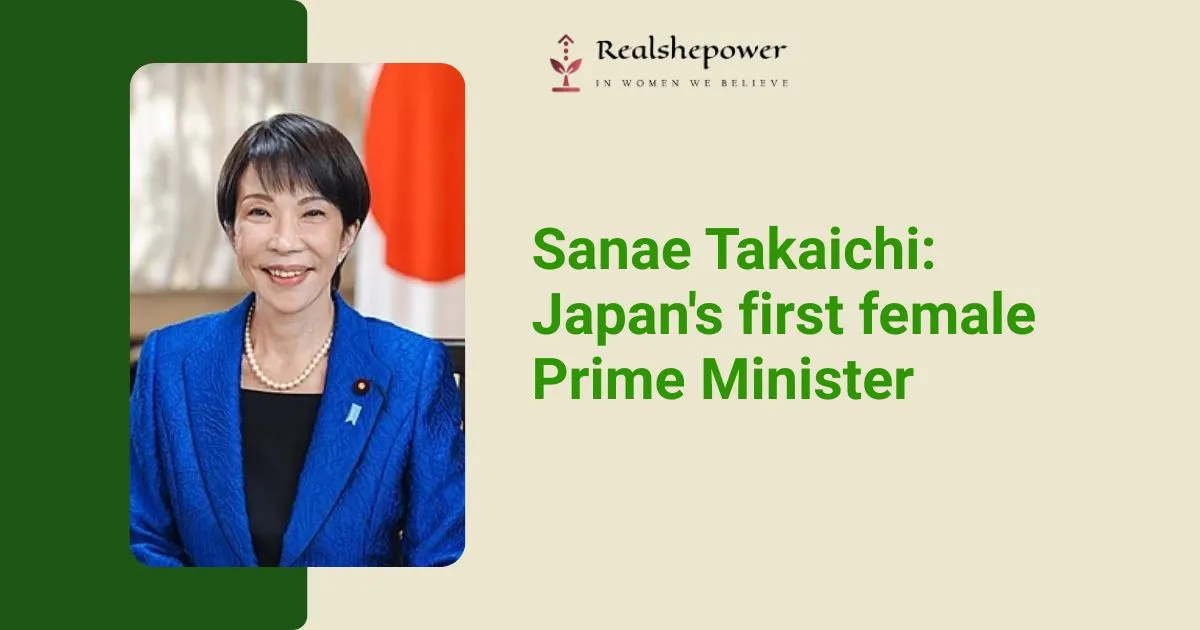
In October 2025, Sanae Takaichi made history as Japan’s first female Prime Minister and the first woman to lead the long-dominant Liberal Democratic Party (LDP). A self-described conservative inspired by Margaret Thatcher, the 64-year-old politician has shattered glass ceilings while championing a bold, unapologetic vision for a stronger, more secure Japan. Often called the “Iron Lady” of Japanese politics, Takaichi is not a product of elite political dynasties. Her rise represents a powerful story of determination, ideological consistency, and a willingness to challenge postwar norms in an era of global uncertainty.
From Nara Roots to the Political Stage
Born on March 7, 1961, in Nara Prefecture, Takaichi grew up in a modest household—her father worked for a car parts maker, and her mother served in the local police department. She graduated from Kobe University’s Faculty of Business Administration, where she indulged in unconventional passions: playing drums in a band and riding motorcycles. After university, she gained international exposure through a short-term program in the United States, including an internship in a U.S. congressional office. She later worked as a television news anchor for networks like Fuji TV and TV Asahi, honing communication skills that would serve her well in politics.
Takaichi entered politics in 1993, winning a seat in the House of Representatives as an independent from her Nara district. She joined the LDP in 1996 and built a reputation as a steadfast conservative. Over the decades, she has been elected multiple times (losing only once) and held key ministerial roles, including a record tenure as Minister for Internal Affairs and Communications under Prime Minister Shinzo Abe. She also served as Minister in charge of Economic Security and played a central role in Abe’s cabinets, emerging as one of his closest protégés.
Her personal style sets her apart: a heavy metal music enthusiast who once drummed in a band, Takaichi blends traditional values with a vibrant, individualistic flair that resonates especially with younger voters.
A Conservative Vision: Security, Sovereignty, and Economic Resilience
Takaichi’s political philosophy centers on national strength and pragmatic conservatism. She has long advocated revising Japan’s pacifist Constitution—particularly Article 9—to allow a more robust self-defense posture. As Prime Minister, she has accelerated defense reforms, aiming to increase military spending toward 2% of GDP, loosen restrictions on arms exports, and update key national security documents ahead of schedule. In an increasingly tense Indo-Pacific region, she promotes a “Free and Open Indo-Pacific” strategy while strengthening alliances, particularly with the United States.
On economic security, Takaichi has prioritized resilience against external risks. She championed investments in semiconductors, digital sovereignty, quantum computing, and next-generation energy, including nuclear power. Her administration has pursued “crisis management investments” through public-private partnerships to address inflation, supply chain vulnerabilities, and regional development outside major urban centers. Policies include tax relief measures, subsidies for energy costs, and efforts to boost growth amid global challenges.
She has taken firm stances on immigration, advocating stricter controls and better coordination on foreign nationals, while emphasizing traditional social values. Critics sometimes label her views as hardline, but supporters see them as necessary realism in a changing world. Takaichi herself has acknowledged that some of her agenda—such as security shifts—could “split public opinion,” yet she pursues it with conviction.
The Historic Mandate: From Leadership Bid to Landslide Victory
Takaichi ran for LDP leadership three times before succeeding on her third attempt in 2025, following the resignation of Prime Minister Shigeru Ishiba after electoral setbacks. Her victory made her Japan’s first female party leader and, shortly after, its first female Prime Minister.
Just months into her term, she called a high-stakes snap election in early 2026. The gamble paid off spectacularly: the LDP secured a historic supermajority in the lower house—316 seats, the party’s strongest postwar performance. Young voters, in particular, fueled “Sanamania,” drawn to her energetic style and clear messaging on economic relief and national pride. The win provided a strong mandate to advance her conservative agenda, including defense enhancements and economic reforms.
A Change Maker Breaking Barriers
What makes Sanae Takaichi a true change maker? In a country long criticized for slow progress on gender equality in leadership, she has proven that conservative principles and bold leadership can coexist with groundbreaking representation. Unlike many predecessors from political families, she built her career through grit, media experience, and unwavering ideology.
Her tenure signals a shift: Japan is moving toward greater assertiveness on the global stage, prioritizing security and economic sovereignty without abandoning its democratic foundations. Supporters credit her with revitalizing the LDP and energizing a new generation. Detractors worry about potential polarization on issues like constitutional change or social policy. Yet her landslide victory suggests broad appeal for her message of resilience in uncertain times.
As one of the world’s most powerful women today, Takaichi continues to navigate complex challenges—from U.S.-Japan relations to regional tensions—while keeping Japan a “shining beacon” in the Indo-Pacific. Whether drumming to heavy metal in private or steering national policy, she embodies a rare blend of tradition, tenacity, and transformation.
Sanae Takaichi’s story is still unfolding, but she has already rewritten Japan’s political narrative. In an age demanding strong, decisive leadership, her “Iron Lady” approach may well define the next chapter for the world’s third-largest economy.