
Current 2026 Rules for Inner Line Permits (ILP) in Ladakh
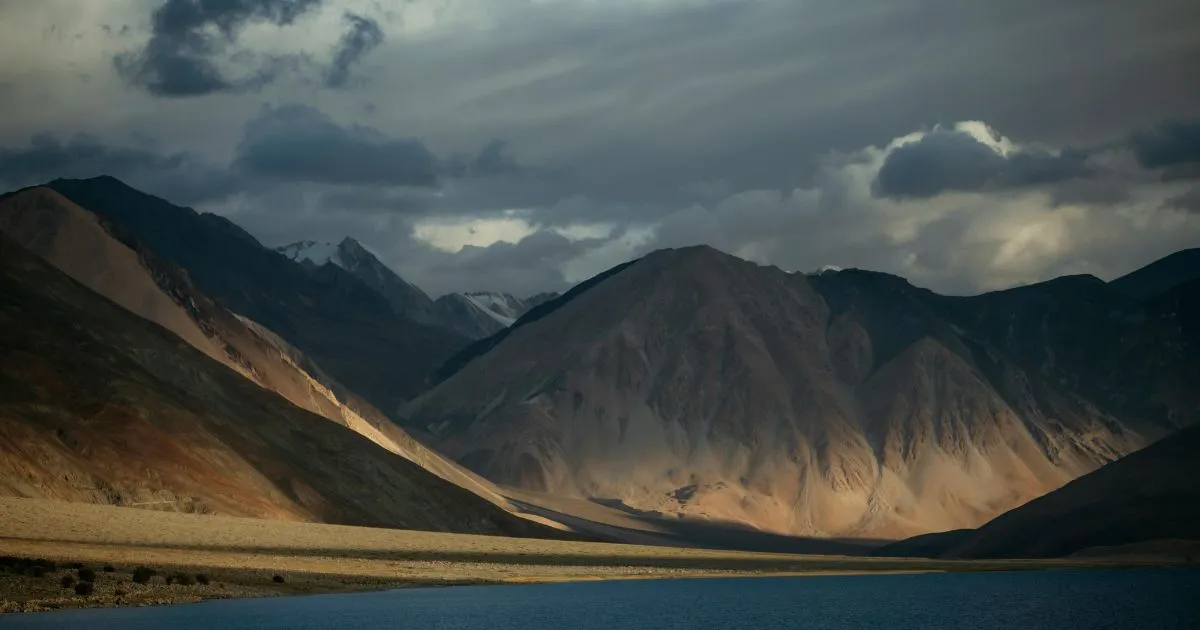
Traveling to the edge of the map in Ladakh isn’t just about the drive; it’s about the paperwork. In 2026, the Inner Line Permit (ILP) system remains a critical requirement for anyone traveling beyond the “Leh-local” circuit. While the process has moved almost entirely online, the enforcement at army checkpoints is stricter than ever due to increased border sensitivities.
Here is the current state of play for securing your access to Ladakh’s protected zones.
1. The Core Requirements
For Indian citizens, the “Inner Line Permit” is technically now an Environmental & Wildlife Fee. Foreign nationals still require a Protected Area Permit (PAP), which has tighter restrictions, especially for solo travelers.
- Platform: Almost all permits are processed via the official LAHDC Leh permit portal.
- Fees: Expect to pay approximately ₹600–₹1,000 for a 7-day permit. This includes the environment fee (₹400), wildlife fee (₹20/day), and a Red Cross contribution.
- Validity: Permits are typically issued for 15 days for Indians and 7 days for foreigners.
2. Protected Area Specifics: 2026 Updates
The rules for Hanle and Siachen are distinct because they fall under “high-security” or “special interest” zones.
Hanle (Dark Sky Reserve)
Since the official designation of Hanle as a Dark Sky Reserve, permits are easier to get but more regulated.
- Indian Citizens: Standard ILP covers Hanle. You must specify “Hanle” as a destination on your application.
- Foreigners: As of 2026, Hanle is open to foreign nationals, but you must stay in registered “Astro-stays” and cannot wander off designated roads near the observatory.
Siachen Base Camp
This is the most restricted point in the region.
- Access: Only Indian citizens are allowed.
- Process: You cannot simply “click” Siachen on the portal. You generally need to apply at the Leh DC Office in person with a valid medical fitness certificate.
- The Route: You can travel up to Warshi (towards Siachen) or Tyakshi (towards Turtuk) with a standard ILP, but the actual Base Camp gate requires that specific military clearance.
3. The 2026 Permit Checklist
1. Register Online
Do this 48-72 hours before Leh arrival
Enter your details on the LAHDC portal. You will need your Aadhaar (for Indians) or Passport/Visa (for foreigners). Specifics matter: Ensure you check every sub-district (Nyoma, Hanle, Tyakshi, Chushul) you plan to visit.
2. Pay & Download
Generate the PDF
Once the fee is paid, download the digital permit. Save it for offline use immediately—Leh’s internet is notoriously fickle.
3. The
Crucial for checkpoints
Print at least 5–8 physical copies. Checkpoints like South Pullu (Khardung La) or Upshi will often keep a physical copy for their records. They will not accept “showing the PDF” on your phone if their local ledger requires a paper attachment.
Pro Tip: In 2026, the Chushul-Demchok road (connecting Pangong directly to Hanle) is frequently closed to civilians based on active border tension. Even if your permit says “Chushul,” always check with local taxi drivers in Leh the morning of your departure for the actual “on-ground” status.
Securing your permits is your “passport” to the most stunning landscapes in the Himalayas. By handling the bureaucracy early and keeping your physical copies ready, you ensure that the only thing stopping you on the road is the view.







%20in%20Ladakh)