Twisting Truth – The Dangerous Game in Raakh
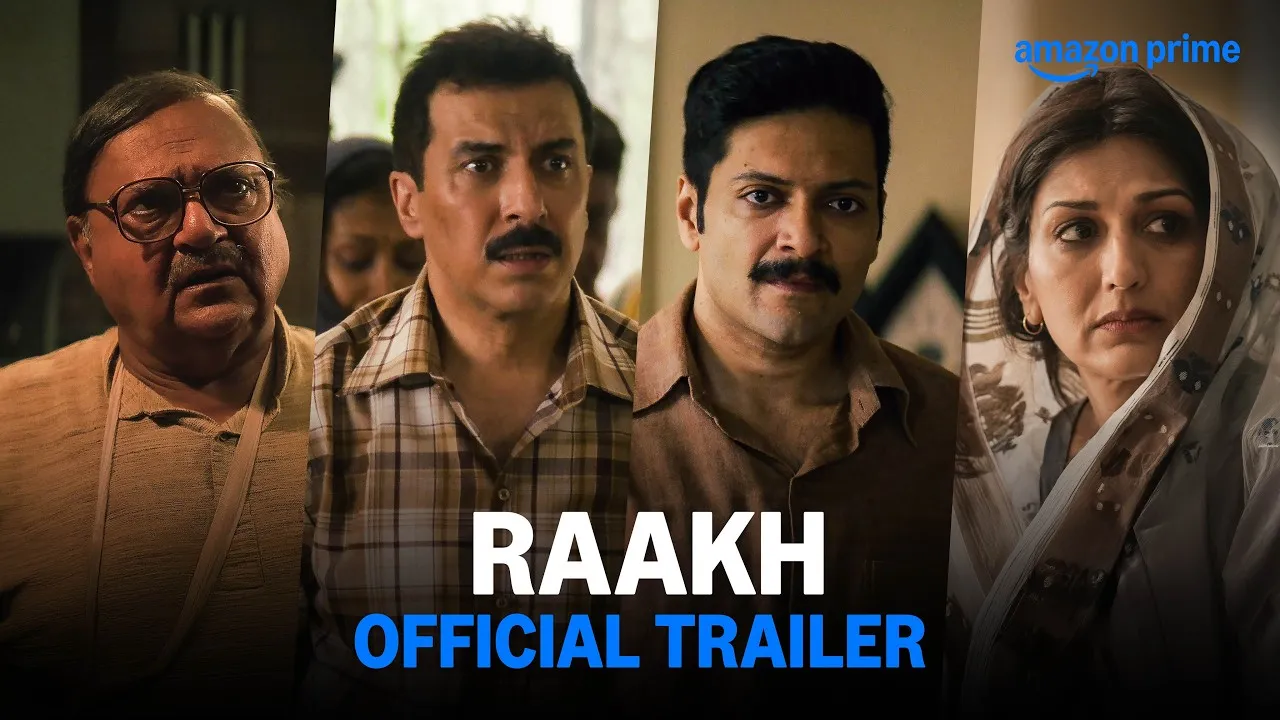
Real crimes leave deep scars. When filmmakers take those true stories and twist them to fit their favorite ideas, they spit on the victims and fool the public. Raakh, the new Prime Video series, does exactly that. It claims to draw from the horrific 1978 Ranga-Billa case – the brutal kidnapping and murder of teenage siblings Geeta and Sanjay Chopra in Delhi. But instead of respecting facts, it reshapes characters and adds fake angles to push a social justice message. This is not creative freedom. It is willful manipulation.
How they changed the key players:
- The Investigator (Ali Fazal as SI Jayprakash): They turned him into a Dalit officer fighting caste bias as a central theme. In reality, the main officers were YP Gupta, his assistant Ramchandra, and Police Commissioner JN Chaturvedi. No caste oppression drama existed in the actual investigation. They invented it anyway.
- Supporting characters: The show gives the honest, helpful journalist role to a Muslim woman. They make a slow constable a Brahmin to fit the “upper caste lazy” stereotype. These changes did not happen in the real case.
- The helper figure: Reports on the true events note a Sikh man who tried to help. The show replaces him with a Muslim character. Why swap a Sikh for a Muslim? It looks like a clear attempt to paint one community in a better light while downplaying others.
- Extra scenes: They added unnecessary bits, such as a mutton shop owner’s son story, to inject oppression narratives that feel forced and irrelevant to the core crime.
These are not small tweaks for drama. They are deliberate rewrites that turn a straightforward horror story into a template of caste and community politics. The victims’ family, the police work, and the city’s shock get buried under modern agendas.
Why this matters – and why it is dangerous
When a show based on “true events” lies about who did what, it spreads poison. Viewers, especially young ones, absorb the fake version as history. They start believing the 1978 case was mainly about Dalit struggle or specific community heroes, when it was not. Truth dies, and anger grows.
This is a slippery and sharp rope. If your side likes the changes, you stay quiet or cheer. “It serves the narrative,” you think. But when the other side twists another real event – maybe one dear to you – suddenly it feels like betrayal. Both sides play this game. Both deserve blame. No group should get to decide which facts to erase or rewrite.
The real Ranga-Billa murders were evil enough. Two innocent children accepted a lift in the rain and never came home. Their killers showed pure brutality. The nation united in shock and demanded justice. That raw truth carried power. Raakh did not need fake caste fights or swapped helpers to be gripping. It already had a terrifying story.
Ali Fazal acts with intensity. Sonali Bendre brings pain to the mother’s role. The dark tone works. Yet good acting cannot excuse distorting facts. When creators change a Sikh helper into a Muslim one and invent Dalit-Brahmin tension, it looks like appeasement – an effort to please certain audiences and push ideology over honesty.
We must call this out. Real events are not clay to mold for votes, views, or applause. They belong to the victims and to history. Twist them once, and soon no one trusts any “based on true story” label. Stories can explore evil and grief without rewriting who helped or who led the case.
Raakh had a chance to honor a national tragedy. Instead, it chose propaganda over truth. That choice weakens everyone. Stop the manipulation. Give us facts first. The pain of real events needs no extra paint to move hearts.