The International Shivratri Fair: When Mandi Becomes a Divine Playground
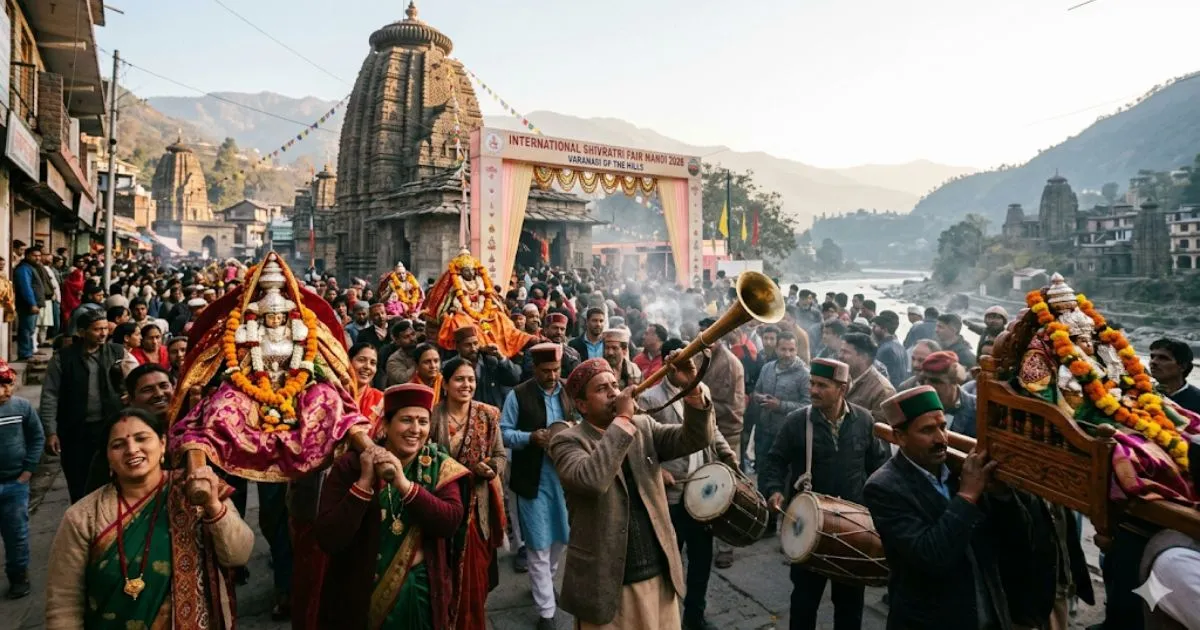
A Gathering of Gods: The Spirit of 2026
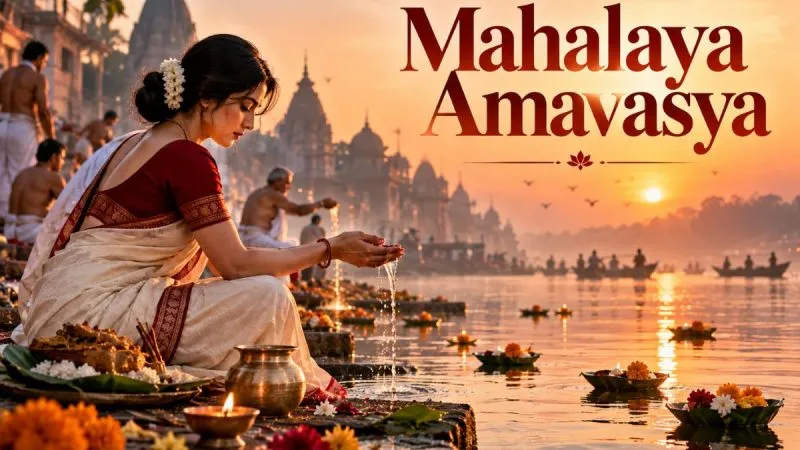
While Shivratri is celebrated across India, Mandi’s version—the International Shivratri Fair—is a category of its own. In 2026, the festival officially kicked off on February 15th and 16th, turning the town into a kaleidoscope of color, sound, and devotion.
The heart of the festival is the arrival of over 216 local deities from the farthest corners of the district. Carried in ornate wooden palanquins (Raths) on the shoulders of devotees, these gods and goddesses descend upon the town to pay their respects to the presiding deity, Lord Raj Madhav Rai.
Table of Contents
1. The “Jaleb”: A Royal Procession
The most iconic element of the fair is the Jaleb—a grand, rhythmic procession that winds through the narrow streets of Mandi.
- The Sight: Imagine hundreds of deities, draped in vibrant silks and silver ornaments, bobbing through a sea of thousands of devotees.
- The Sound: The air is thick with the thunderous resonance of traditional Himachali instruments—the Karnal (long brass trumpets), Dhol, and Nagada.
- The 2026 Highlight: This year’s Jaleb featured an international cultural parade, with troupes from the United States, France, and Sri Lanka joining the local folk artists, symbolizing Mandi’s growing footprint on the global cultural map.
2. Cultural Nights: Music Under the Stars
As the sun sets over the Beas, the celebration shifts to the Seri Manch. The International Shivratri Fair 2026 hosted “Cultural Nights” featuring a blend of:
- Himachali Folk: Traditional Nati dances that involve the entire crowd.
- Modern Stars: Performances by live playback singers and rock bands.
- Laser Shows: A 2026 addition that used high-tech light displays to tell the ancient legends of Mandi’s 81 stone temples.
3. The “Mela” Experience: Beyond the Rituals
The fair isn’t just for the devout; it’s a shopper’s and foodie’s paradise.
- Paddal Ground: This massive field becomes the hub for the trade fair. You can find everything from traditional Lahauli woolens to local walnuts and handicrafts.
- Local Delicacies: Look for stalls serving Bada (deep-fried lentil savory) and hot Jalebis, which are staples of the Mela diet.
4. Mandi vs. Kullu vs. Manali: Which Trip is Right for You?
If you’re planning a Himachal trip in 2026, choosing the right “vibe” is essential.
| Feature | Mandi | Kullu | Manali |
| Best For | Culture, History, & Peace | Adventure & River Sports | Nightlife, Snow, & Cafes |
| Crowd Level | Moderate (Local feel) | High (Transit hub) | Extreme (Tourist hub) |
| Key Attraction | Ancient Stone Architecture | River Rafting | Atal Tunnel & Solang Valley |
| Accommodation | Heritage Homestays | Riverside Resorts | Luxury Hotels & Hostels |
5. 2026 Pro-Traveler Tips
- Book Early: During the Shivratri Fair, Mandi’s hotels and homestays fill up months in advance.
- Dress the Part: Carry a warm pashmina or shawl. Even in February, the Mandi evenings near the river can be biting.
- Respect the Deities: While photography is generally allowed, always ask before photographing a deity’s palanquin or a ritual in progress.
Mandi in 2026 is no longer just a dot on the map to Manali. It is a destination that demands your attention, especially during the Shivratri Fair. It is a place where the barrier between the human and the divine feels paper-thin, and where every drumbeat tells a story a thousand years old.
Would you like to explore more about the local legends of these 216 deities, or perhaps a deep dive into the trekking trails that start from Mandi?