5 Best Bridal Footwear Ideas for Winter Wedding Season
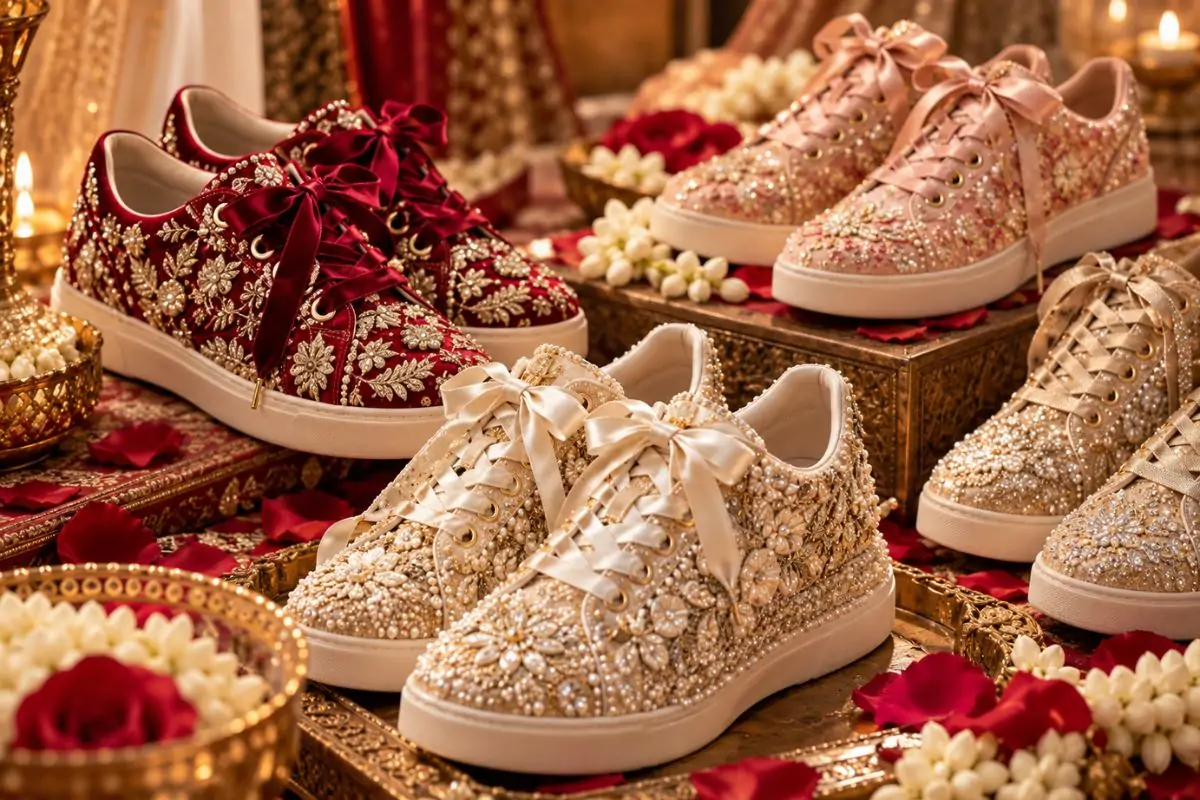
For an Indian winter wedding, five practical bridal footwear ideas stand out: embellished bridal sneakers, block heels, wedges, bridal juttis or flats, and secure bridal sandals for milder indoor functions. The right pair depends on the venue, local weather, outfit and how long you will stand or dance. Winter conditions vary across India, so there is no single shoe style that fits every wedding. Choose footwear that looks festive but still feels comfortable after the first hour.
| Footwear Idea | Best For | Winter Consideration | Fit Tip |
| Embellished Bridal Sneakers | Sangeet, dancing, long functions | More coverage than open sandals | Check heel grip and toe room |
| Block Heel Bridal Shoes | Ceremony, reception, formal events | Stable base for cooler venues | Choose a height you already manage well |
| Wedge Heels | Long functions, lehengas, added height | Consider ground and weather outdoors | Prefer a secure fit and stable sole |
| Bridal Juttis / Flats | Mehendi, day events, extended wear | Closed styles suit cooler weather | Look for enough width and depth |
| Bridal Sandals | Indoor or milder winter events | Less suitable for cold outdoor ceremonies | Use secure straps and try them with the outfit |
What Should You Wear for a Winter Wedding?
Winter bridal shoes should match the weather, venue and movement involved. Closed shoes can suit cold outdoor functions, while sandals work better for warmer or indoor celebrations.
The India Meteorological Department classifies January and February as the winter season, but India has large regional differences in temperature and weather. That means brides should check the local conditions rather than treating every winter wedding in the country the same way.
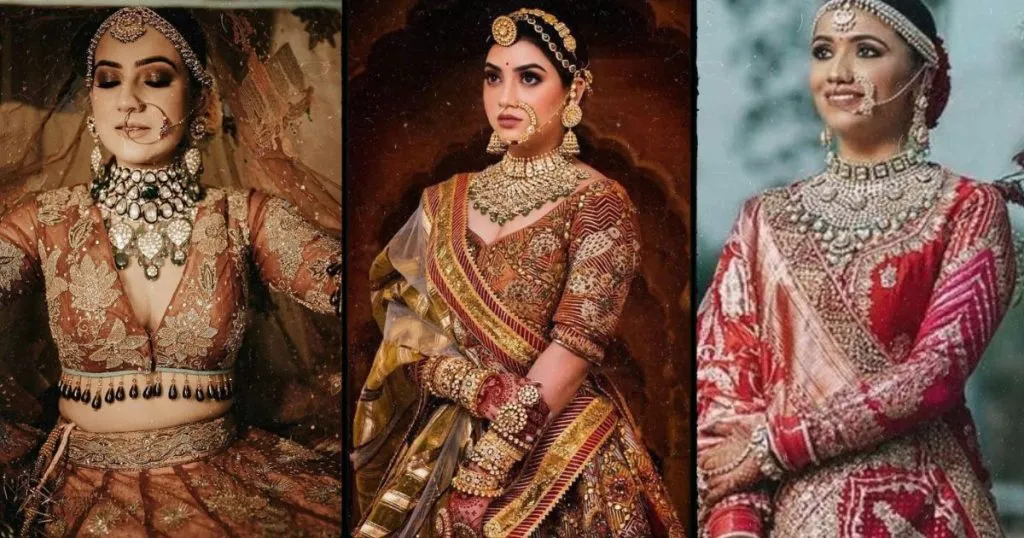 Fashion & History
 Where Indian Bridal Fashion Really Comes From
Uncover the rich history, cultural origins, and evolutionary journey behind iconic Indian bridal wear and royal heritage attire.
Read Full Article1. Embellished Bridal Sneakers for Long Wedding Days
Bridal sneakers bring a modern, practical feel to Indian bridal footwear without looking like ordinary casual shoes. Embroidery, metallic details, brocade accents and heeled or wedge sneaker shapes can work with lehengas, shararas and Indo-western outfits.
They make sense for sangeet nights, receptions and dancing. Vogue India reported in 2026 that Indian brides are choosing heeled sneakers with traditional wedding outfits, reflecting the wider move toward comfort-led styling.
Around Always is one Indian bridal footwear label offering bridal sneakers, heels, wedges and sandals, with options for colour matching, embroidery and heel height. It can be a useful reference when researching customised wedding footwear.
Best for: Mehendi, sangeet, reception, dancing and functions where you expect to stay on your feet for hours. For colder outdoor ceremonies, a more covered sneaker can offer more coverage than an open sandal.
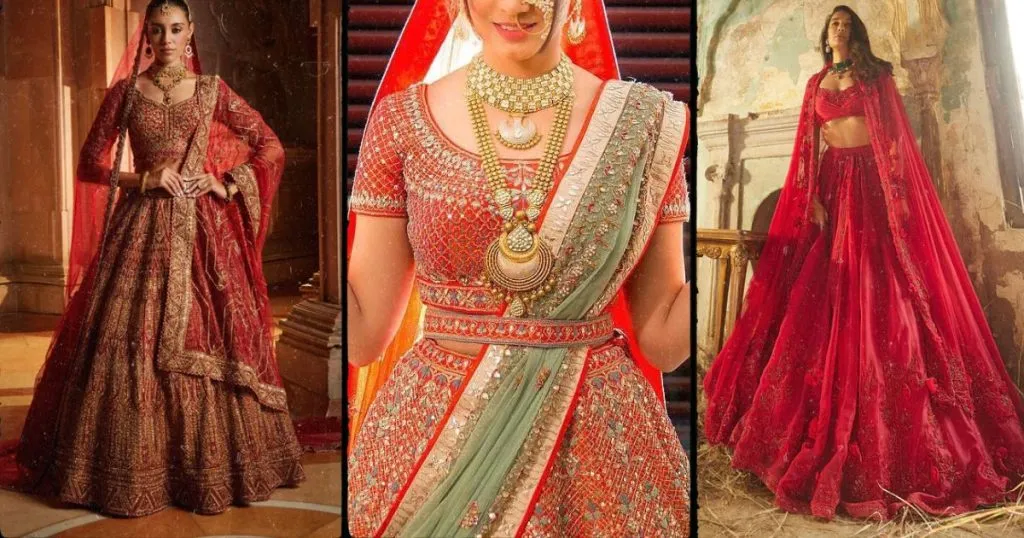 Fashion & Style
 The 10 Best Indian Designers to Watch
Explore the top visionary Indian fashion designers redefining luxury, couture, and contemporary style on global runways.
Read Full Article2. Block Heel Bridal Shoes for Classic Elegance
Block heel bridal shoes give you height with a broader heel base than a slim stiletto. They suit brides who want a classic heel shape but still need to walk, stand and move between wedding activities.
Gold, champagne, ivory, red and jewel tones pair easily with Indian wedding outfits. Choose a heel height you already know you can manage comfortably, not simply the most dramatic option.
NHS footwear guidance recommends enough room for the toes, a secure fastening and a stable heel. Guy’s and St Thomas’ NHS Foundation Trust also notes that a wider heel is more stable and advises keeping heel height moderate when choosing footwear to reduce foot pain.
Best for: Wedding ceremonies, receptions and engagement functions where you want polished bridal heels with a steadier base.
3. Wedge Heels for Height With a Wider Base
Wedge heels spread the heel across a wider base, making them a useful option for brides who want extra height without a narrow stiletto. They can also suit outfits that need a little more lift from the floor.
Think about the venue before choosing the sole. Uneven ground, wet grass or slippery areas can change how any heel feels. Vogue India has also highlighted updated wedge silhouettes in 2026, keeping the shape current.
Best for: Long functions, lehengas that need extra height, and brides who prefer a broader heel base.
 Weddings & Style
 From Haldi to Reception: Decoding Wedding Colors
Navigate every ceremony with style. Discover the perfect color palettes, symbolism, and trending hues for every wedding ritual.
Read Full Article4. Bridal Juttis and Embellished Flats for a Traditional Winter Look
Bridal juttis and embellished flats offer a low-profile option with strong Indian styling. They work naturally with lehengas, sarees, shararas and festive outfits, especially when added height is not a priority.
Look for a roomy toe area and a shape that follows your foot. Embroidery, pearls, sequins or tonal detailing can keep flats festive without adding a high heel.
They can also work as a second pair. Wear heels for selected moments, then change into flats for dancing or extended standing.
Best for: Mehendi, day functions, intimate ceremonies, travel between venues and brides who prefer flat bridal footwear.
5. Bridal Sandals for Indoor or Milder Winter Celebrations
Bridal sandals can work beautifully in winter when the event takes place indoors or in a region with milder temperatures. Secure straps and a comfortable footbed matter more than a highly elaborate design.
Strappy bridal sandals can complement sarees, lehengas and gowns. Gold or silver can echo jewellery, while colour-matched sandals can pick up a dupatta or blouse. For cold outdoor events, a covered shoe may feel more practical.
Do not buy sandals only for the photograph. Try them with the actual outfit and walk in them before the wedding. NHS footwear advice recommends trying both shoes and checking that the footwear is long enough, deep enough and wide enough for your feet.
Best for: Indoor ceremonies, receptions, daytime events and milder winter weather.
How Do You Choose the Right Winter Bridal Footwear?
Start with the function, venue and hours of wear, then decide on the style. This simple order keeps fashion choices grounded in real wedding-day needs.
For colder outdoor weddings, prioritise coverage, secure fastening and enough toe space. Indoors, you can choose more open styles. With several functions, two pairs may work better than one pair for everything.
Break in new wedding shoes before the big day. Wear them indoors for short periods and check for rubbing, pressure or slipping. Guidance from NHS sources also recommends trying both shoes and ensuring they fit properly before longer wear.
What Should You Avoid When Buying Bridal Shoes?
Avoid choosing wedding shoes based only on heel height, colour or trend value. A beautiful pair still needs to fit well and stay secure when you walk and stand.
Be cautious with very tight pointed toes, unstable heels, loose slip-on styles and shoes that pinch while standing. Wedding days involve more movement than a normal evening out, so the shoe needs to work beyond the first photographs.
Final Thoughts
The right bridal footwear is the pair that supports your wedding-day plans rather than competing with them. Bridal sneakers, block heels, wedges, juttis, flats and sandals can all work when you match the style to the weather, venue, outfit and time spent on your feet.
For an Indian winter wedding, think function first, then style. A secure fit, sensible heel choice and venue-aware design can make your bridal footwear feel like part of the outfit instead of one more thing to manage during a busy day.
FAQs
Are Bridal Sneakers Suitable for Winter Weddings?
Yes. Bridal sneakers work especially well for long functions and dancing. In colder areas, choose a covered design with a secure fit for more coverage.
Which Bridal Footwear Is Best for Long Hours?
A well-fitting sneaker, wedge or stable block heel can be practical for long wear. Fit, fastening, cushioning and heel stability matter more than the style name.
Can I Wear Bridal Sandals in Winter?
Yes, especially at indoor or milder-weather events. For cold outdoor ceremonies, a covered bridal shoe or jutti may be more comfortable.
How High Should Bridal Heels Be?
There is no universal bridal heel height. Choose a height you can already walk and stand in comfortably, and consider a broader base for stability.
Should I Keep a Second Pair of Wedding Shoes?
A second pair can help when your wedding has multiple functions. You can keep a formal heel for key moments and switch to flats or sneakers for longer wear.