India Facing Power Crisis as Heatwave Intensifies Across Northern and Western States
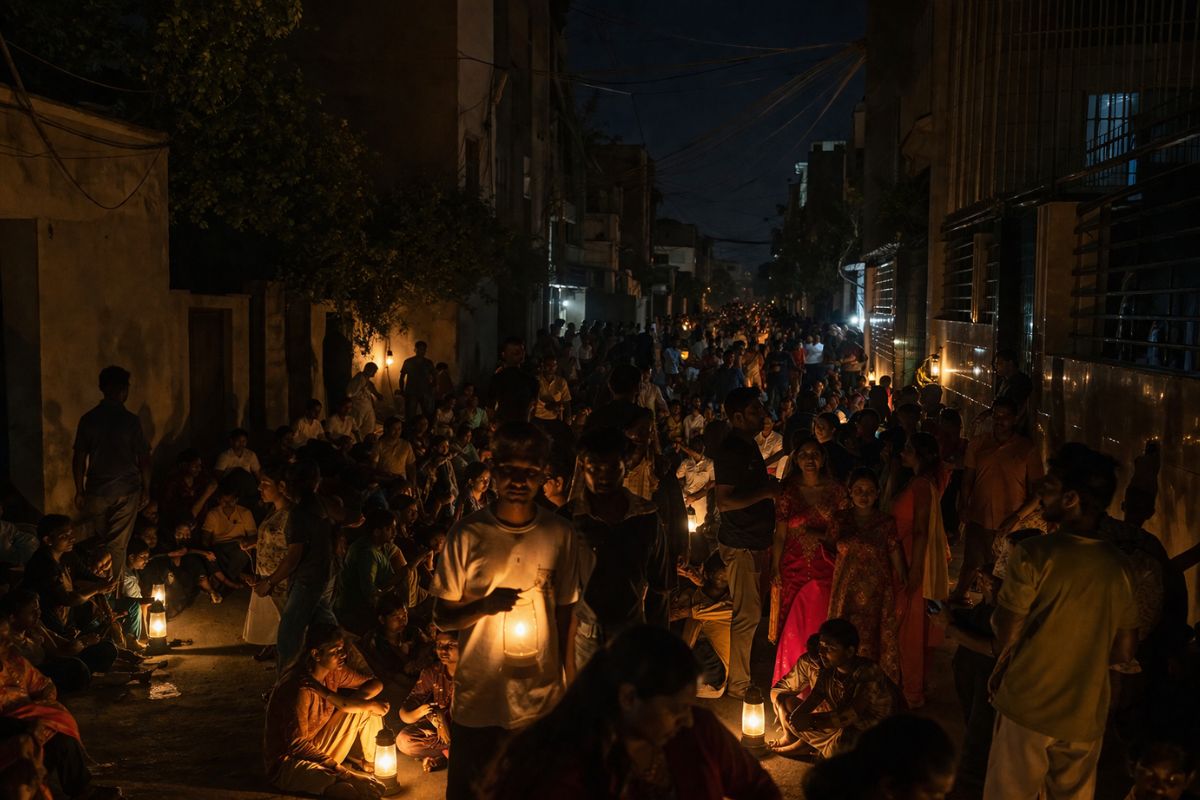
The India Meteorological Department (IMD) has issued critical warnings regarding above-normal heatwave days for May 2026, with the highest impact expected across northern India, Gujarat, Maharashtra, and the east coast. This prolonged thermal stress has pushed the national infrastructure to its limits, creating a simultaneous energy and climate challenge.
Breaking Now: You’re in the right place. RealShePower is your news genie granting your wish for the latest trending stories before they even hit the mainstream.
Record Power Demand and Blackout Threats
As residents resort to cooling appliances to combat the sweltering heat, the national power grid is feeling the pressure.
- Peak Demand: Electricity consumption has surged to record levels, peaking at 256 GW.
- Resource Shortages: The grid is currently hampered by significant shortages in crude oil, LNG, and cooking gas.
- Triggered Blackouts: These fuel scarcities, combined with high demand, have led to mandatory blackouts in several regions to prevent total grid failure.
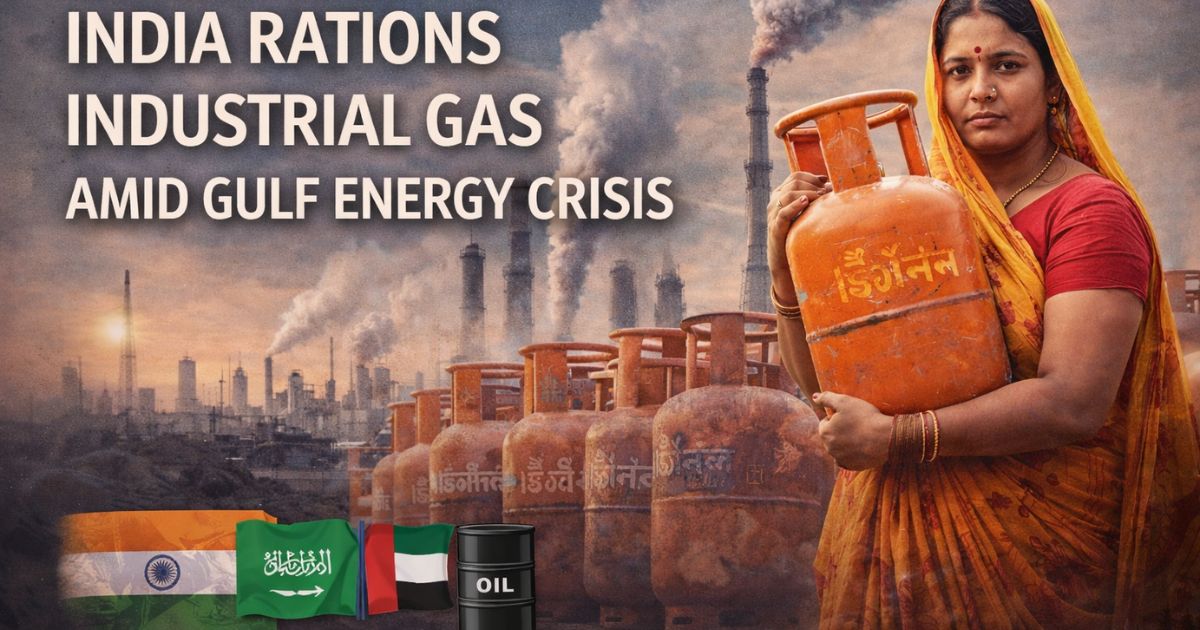
India Rations Industrial Gas Amid Gulf Crisis
Supply disruptions from the Gulf have forced India to cut gas for industries while prioritising households and essential sectors.
Read More →Coal Supply and Production Deficit
The backbone of India’s energy sector is facing a supply-side crunch during the peak of summer.
- Production Drop: State-owned Coal India reported a 9.7% decline in production for April.
- Supply Concerns: This drop has intensified fears that the country may not be able to secure enough fuel to meet the skyrocketing energy needs of the coming weeks.
Delhi Under Yellow Alert
The national capital is currently an epicenter for the heatwave’s severity.
- Extreme Temperatures: Recent readings in Delhi have consistently hovered between 42°C and 46°C.
- Yellow Alerts: Authorities have issued “yellow alerts” to warn citizens of the dangerous conditions.
- Urban Heat Island: Southwest pockets of the city are experiencing even higher localized temperatures due to the urban heat island effect.