Guerrilla Resistance: The Small Fighters Who Changed the Course of History
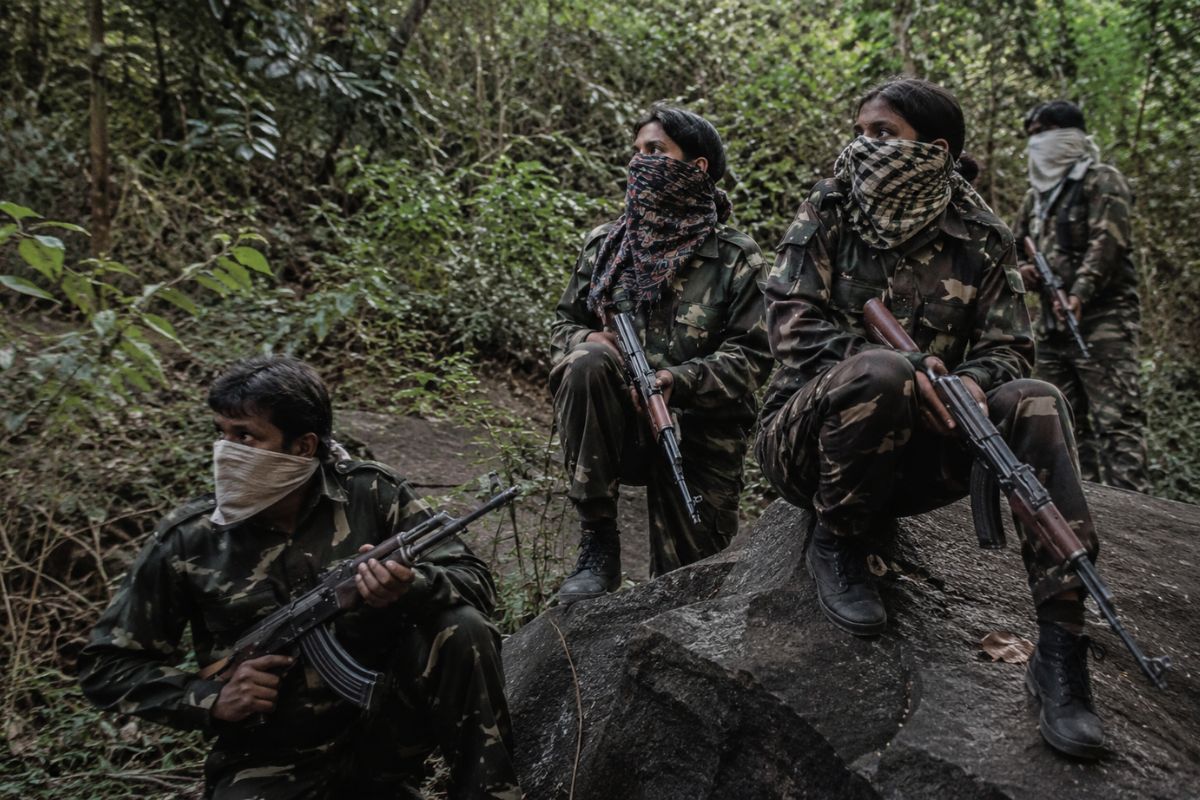
Guerrilla resistance is one of the oldest and most powerful forms of warfare in human history. It refers to a style of fighting in which small groups of armed people use surprise attacks, ambushes, sabotage, and quick movements against a much larger and stronger military force. Instead of fighting in open battlefields, guerrilla fighters rely on speed, local support, and knowledge of the terrain to weaken their enemy over time.
Guerrilla resistance is a fighting strategy where smaller groups use surprise attacks, local knowledge, and speed to challenge stronger armies. It became famous during Spain’s resistance against Napoleon, but similar tactics existed long before in ancient warfare.
The word “guerrilla” comes from the Spanish word guerra, meaning “war.” The term itself became popular during the early 19th century when Spanish fighters resisted the invasion of Spain by French Emperor Napoleon Bonaparte and his army. Spanish civilians and small armed groups launched sudden attacks on French troops, supply lines, and communication networks. These irregular fighters were called “guerrilleros,” meaning “little warriors.” Their resistance became so effective that the term “guerrilla warfare” entered global history.
However, the idea of guerrilla resistance existed long before Spain’s struggle against France. Ancient civilizations also used similar tactics. Tribal fighters, local rebels, and resistance groups often avoided direct battles with large empires because they lacked manpower and weapons. Instead, they attacked suddenly and disappeared before the enemy could retaliate.
One of the earliest known examples of guerrilla-style resistance came from ancient Rome. A Germanic leader named Arminius used forests and surprise attacks to defeat Roman legions in the Battle of the Teutoburg Forest in 9 AD. His tactics shocked the mighty Roman Empire and proved that smaller forces could challenge stronger armies through strategy and terrain advantage.
Guerrilla resistance became especially important during anti-colonial struggles around the world. In Latin America, Asia, Africa, and Europe, local populations often used guerrilla tactics against colonial powers. Fighters hid among civilians, operated in mountains and forests, and relied heavily on local support systems.
In the 20th century, guerrilla warfare gained even greater attention. Leaders like Che Guevara and Mao Zedong developed detailed theories about guerrilla resistance. Mao described guerrilla fighters as people who should “move among the population like fish in water,” meaning public support was essential for survival. These ideas later influenced revolutionary movements across the world.
One of the most famous examples of guerrilla warfare occurred during the Vietnam War. Vietnamese fighters used tunnels, hidden traps, jungle warfare, and surprise attacks against technologically advanced American forces. Despite having fewer resources, the guerrilla resistance exhausted its opponent over many years.
Guerrilla resistance is not always linked to one political ideology. Different groups across history have used these tactics for independence movements, revolutions, resistance against occupation, or national liberation struggles. Some were celebrated as freedom fighters, while others were labeled rebels or insurgents depending on political perspectives.
What makes guerrilla warfare unique is psychological pressure. Guerrilla fighters aim to create uncertainty and fear. The enemy never knows when or where an attack might happen. Even small attacks can weaken morale, damage supply chains, and force stronger armies into long, expensive conflicts.
Today, military experts still study guerrilla resistance because it continues to shape modern conflicts. From mountain regions to urban warfare, guerrilla tactics remain relevant in asymmetric warfare—situations where weaker forces confront stronger powers.
Ultimately, guerrilla resistance shows that wars are not always won by the biggest armies or the most advanced weapons. Sometimes, determination, local knowledge, adaptability, and public support can change the course of history.