Dismantling the Macauleyan Legacy and the 2026 Educational Renaissance
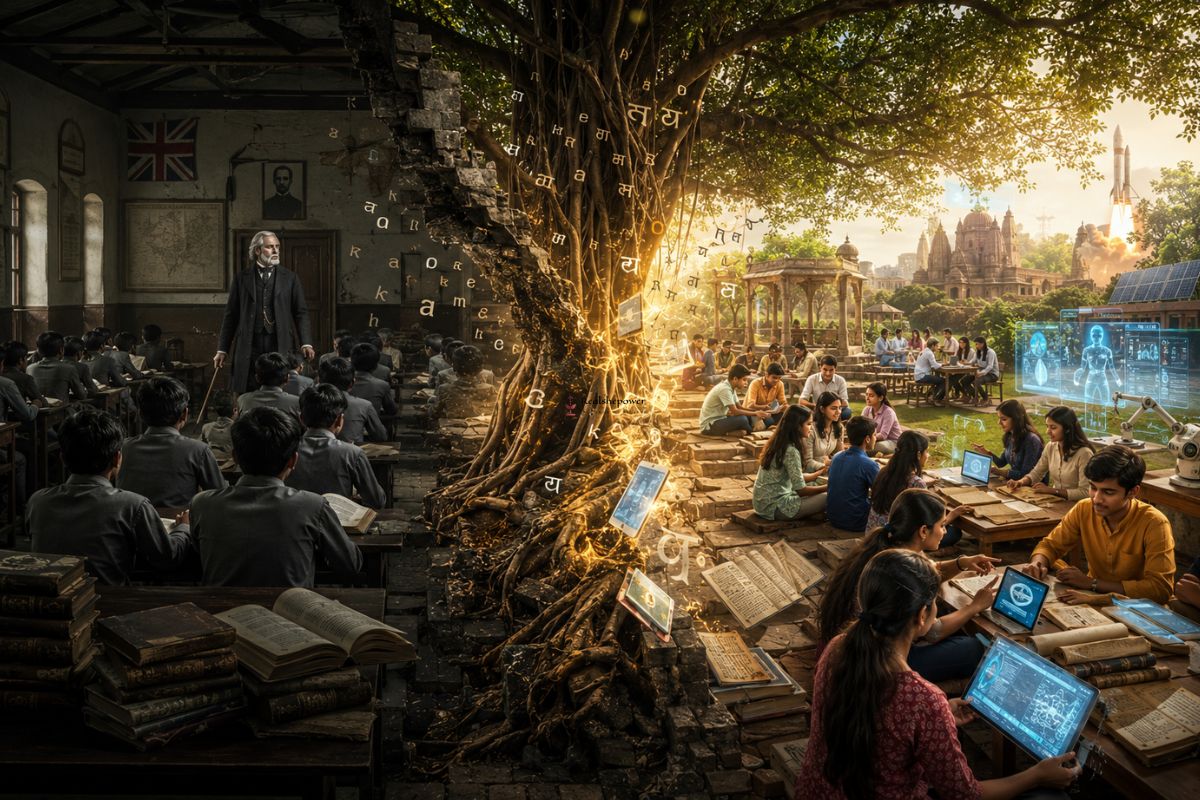
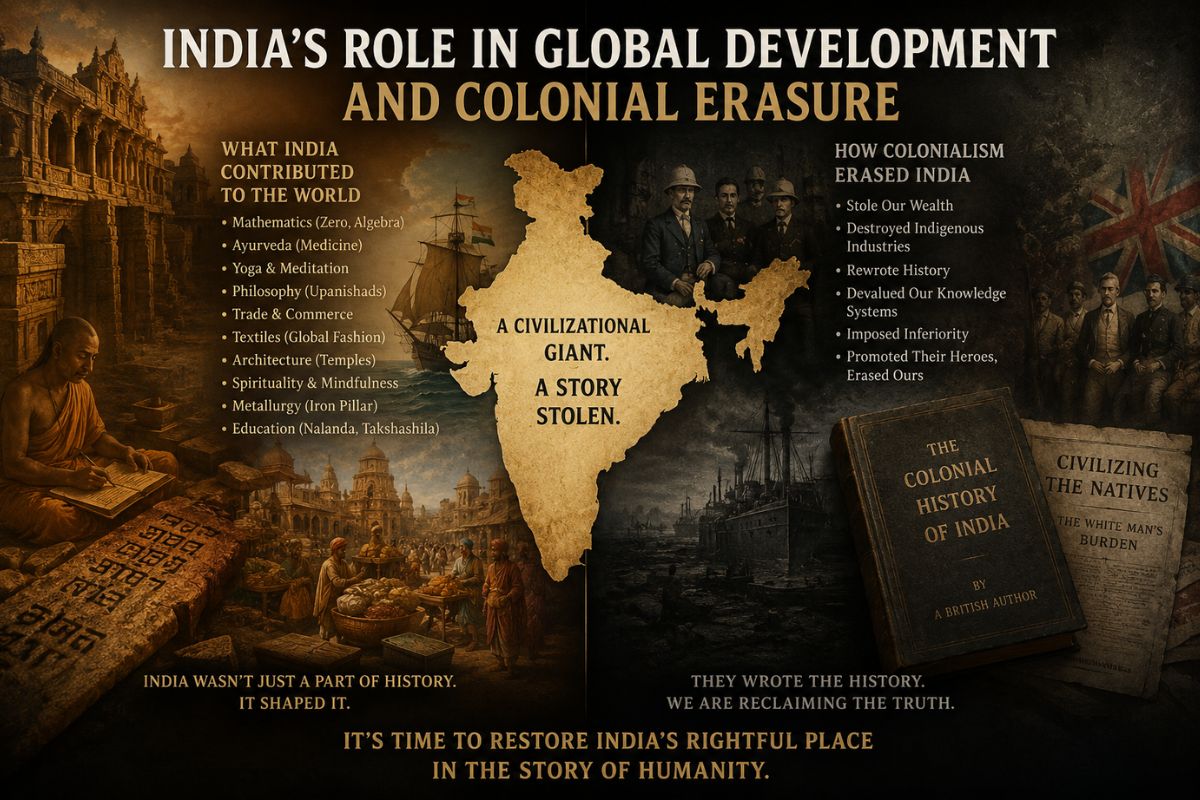
For over a millennium, India was the global destination for higher learning. From the grand universities of Nalanda and Takshashila to the village-level Gurukuls, India’s educational model was decentralized, inclusive, and deeply integrated with its economic success. However, the colonial era introduced a “ripping” of the Indian intellect so profound that it remains the hardest layer to peel back. In 2026, as India re-centers itself as the “Vishwa Guru” (Global Teacher), we are finally witnessing the end of the colonial classroom.
1. The Myth of the “Illiterate” India
A common colonial justification for British rule was the supposed lack of education among Indians. However, British surveys in the early 1800s (such as those by Thomas Munro and William Adam) revealed a startling reality: nearly every village in India had a school, and the literacy rate in many provinces was higher than that of contemporary England.
- The Indigenous Network: Unlike the centralized British system, Indian education was community-funded and catered to all sections of society.
- The 1835 “Ripping”: Thomas Babington Macaulay’s Minute on Indian Education (1835) explicitly sought to destroy this system. He famously stated that a “single shelf of a good European library was worth the whole native literature of India and Arabia.”
- 2026 Correction: Modern research in 2026 is rehabilitating the image of the pre-colonial Gurukul. These were not “primitive” centers but hubs of applied mathematics, linguistics, and philosophy that fueled India’s 33% global GDP share.
2. From “Clerks” to “Creators”: The 2026 Pivot
The British designed the Indian education system to produce “subordinate clerks”—individuals capable of managing the Empire’s paperwork but incapable of independent innovation.
- Standardized Erasure: The introduction of the English-only medium was a strategic move to disconnect the Indian elite from their civilizational roots and their local languages.
- The 2026 Transformation: India’s National Education Policy (NEP) is a direct response to this legacy. By prioritizing mother-tongue education in early years and integrating ancient logic (Tarka-shastra) with modern coding, India is training a generation to be “Creators” rather than “Clerks.”
3. The Restoration of Nalanda: Global Education 2.0
In the 7th century, students from China, Korea, and Greece traveled to India to study. In 2026, we are seeing the “Great Return” of international students to Indian universities.
- The Digital Gurukul: India’s leadership in online learning and Digital Public Infrastructure (DPI) is allowing it to provide affordable, high-quality education to the entire Global South, bypassing the expensive and often exclusionary Western university models.
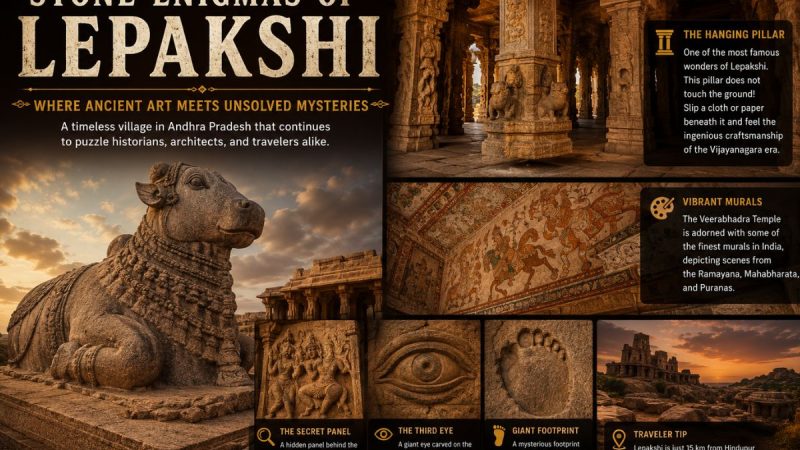
- Reclaiming the “Arts”: Colonial education separated the “Arts” from the “Sciences” to stifle holistic thinking. India is re-integrating these, recognizing that the architects of the Brihadisvara Temple were both master mathematicians and visionary artists.
4. Reclaiming the Word “History”
The “Genealogical Template” of the British Raj ensured that Indian history was taught as a series of foreign invasions and defeats.
- The 5,000-Year Perspective: In 2026, the narrative has shifted. History is now taught through the lens of continuity. The search for India that “discovered” the Americas is no longer a footnote; it is the center of the world’s modern story.
- Identity Sovereignty: Students are learning that the “Indies” and “Red Indians” were names given by those who failed to reach the wealth of their ancestors—a realization that fosters confidence rather than the “inferiority complex” of the colonial era.
RealShePower History Genie Takeaway
The History Genie warns that the ‘chains’ of colonialism are not just made of iron, but of ink and textbooks. For 150 years, we were taught to forget our own genius so we could better serve someone else’s empire. Reclaiming our education in 2026 is the ultimate liberation. We are finally stopping the practice of ‘looking west’ for validation and starting to look ‘within’ for inspiration—because the world’s knowledge once flowed from here, and it is beginning to do so again.
References
- Economic history of India. (2026, May 5). In Wikipedia.
- Macaulay’s Minute on Education. (1835). Historical Documents Archives.
- Maddison, A. (2007). The World Economy: Historical Statistics.
- Swarajya. (2025). The Destruction of the Indigenous Indian Education System.
- Dharampal. (1983). The Beautiful Tree: Indigenous Indian Education in the Eighteenth Century.
- National Education Policy 2020/2026. Ministry of Education, Government of India.