Istanbul Street Food Guide 2026 | Travel The World On A Plate
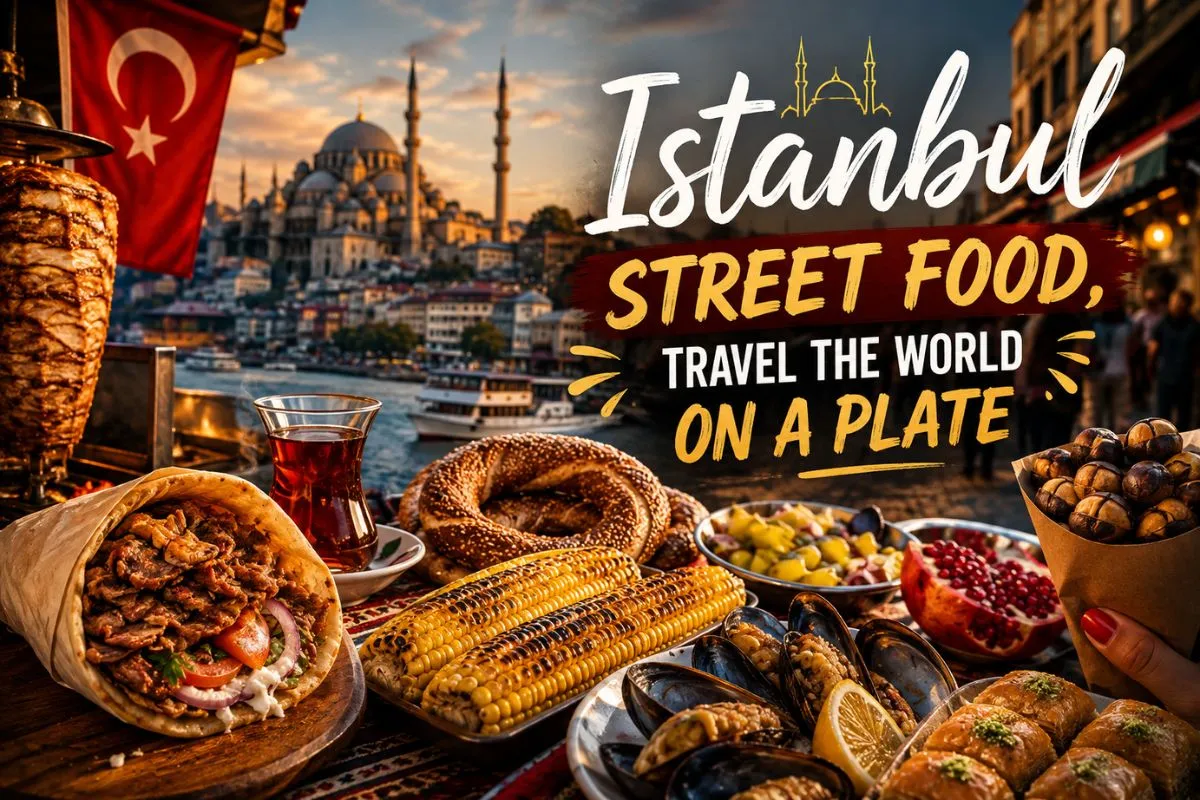
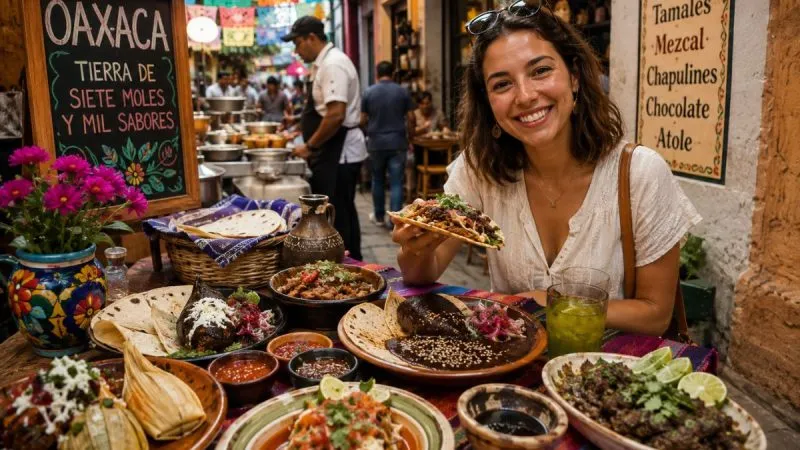
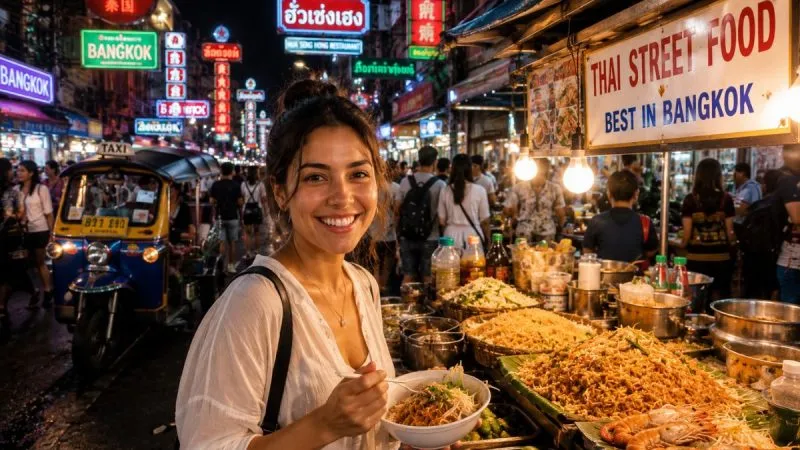
This is Part of the Real Shee Power “Travel the World on a Plate” series, a culinary travel line built around the idea that the fastest, truest way into any culture is through what’s cooking on the street corner. Bangkok taught us to chase the queue. Oaxaca taught us to sit down and slow down. Istanbul teaches something neither of those cities can: what it looks like when a meal has been shaped by two continents pulling on the same plate for two thousand years.
🧞♀️ Genie’s Take: Every city in this series earns its spot by feeding its own people first and its visitors second. Istanbul might be the purest example yet. The best bite of your day here is rarely the one with a menu in three languages. It’s the one being handed across a marble counter to someone who’s ordered it the same way every morning for a decade.
A City Split Down the Middle, and Fed From Both Sides
Istanbul is the only major city on Earth that sits on two continents, split by the Bosphorus strait, with Europe on one bank and Asia on the other. That geography isn’t a postcard fact. It’s the actual organizing principle of how the city eats. Ottoman-era tradespeople, or esnaf, fed themselves from carts clustered at the ferry piers where boats landed, and the etiquette from that era has barely changed: you queue, you point, you pay, you eat standing up, and you hand the paper back. Centuries later, that’s still exactly how a huge share of Istanbul eats lunch.
The geography also tells you where to look for what. Fishing carts cluster where the boats land at Eminonu. Produce-driven snacks live inside the covered lanes of Kadikoy Market on the Asian side. Late-night fried food follows the bars up the hill in Beyoglu. Knowing which flavor belongs to which corner of the city is half the skill of eating well here, and it’s the same instinct our guide to India’s most unexplored regional food trails argues for closer to home: the good food rarely has a signboard pointing at it.
Start at the Spice Bazaar, But Don’t Stop There
Almost every Istanbul food itinerary begins at the Egyptian Bazaar, better known as the Spice Bazaar, a 17th-century covered market in Eminonu lined with mounds of saffron, sumac, dried fruit, teas, and towers of lokum (Turkish delight) stacked in every color imaginable. It’s touristy in patches, and it earns that reputation honestly: the smell alone, cumin and rosewater and roasting nuts layered on top of each other, is worth the crowd.
The mistake is treating the Spice Bazaar as the whole meal instead of the appetizer. A short walk from its exit takes you into the older commercial lanes around Tahtakale and Mahmutpasa, where working pilav shops like the long-standing rice-and-chicken counters near the bazaar have been feeding tradespeople their lunch for generations, quietly, without a single sign in English. That contrast, ornate historic market on one side, unglamorous working-class lunch counter on the other, is Istanbul’s food scene in miniature.
Take the Ferry to Kadikoy, and Go Hungry
If Bangkok’s Yaowarat is the night market that defines that city, Kadikoy is Istanbul’s answer on the Asian side, and getting there is part of the meal. A twenty-minute ferry ride across the Bosphorus from Eminonu drops you into a working food market rather than a staged tourist set piece: fishmongers hosing down marble slabs, pickle shops with entire walls of glowing jars, cheese-agers, spice sellers, and bakeries, all packed into a few hundred densely wandering metres.
A short, honest list to work through once you’re there: pickle brine (turşu suyu) by the cup from one of the briny little turşucu shops along Güneşlibahçe Sokak, sharp and sour and genuinely bracing, a good way to wake up your palate before anything else. Grilled or fried fresh hamsi (anchovies) by the portion, in season, from one of the simpler fish stalls rather than the sit-down restaurants. And at some point, a balık ekmek, the fish sandwich that’s arguably Istanbul’s most iconic handheld food: grilled mackerel or similar catch, stuffed into fresh bread with onion, lettuce, and a squeeze of lemon, sold from boats and dockside stalls for the price of a coffee back home.
One practical note worth carrying with you: at the fish-stall restaurants, prices are sometimes quoted to tourists as a vague “market price,” and the bill can land larger than expected. Ask the price per portion before you sit down, in writing if you need to, and you’ll eat brilliantly here for very little money.
The Foods That Belong to the Street, Not the Restaurant

Istanbul’s street food isn’t a novelty lane staged for visitors the way some cities dress theirs up. It’s a genuinely centuries-old habit, and a handful of dishes define it:
Simit. A crisp, chewy sesame-crusted ring sold from red glass carts on practically every corner of the city, for the price of pocket change. Ask for it sicak (hot), pair it with a wedge of white cheese, and you have a complete breakfast you can eat while walking, which is exactly how most of the city eats it.
Islak burger and kokoreç. Istanbul’s late-night food belongs to Beyoglu and Taksim, where steamed “wet” burgers and grilled, seasoned lamb intestine (kokoreç, an acquired taste that’s worth trying at least once from a long-established vendor) keep entire streets busy well past midnight.
Midye dolma. Mussels stuffed with spiced, herbed rice, sold from trays balanced on ice along the waterfront and eaten in one bite, shell used as its own tiny spoon.
Cağ kebap. A specialty from Eastern Turkey that’s found its permanent home in Istanbul: marinated lamb pressed onto a horizontal spit and slow-cooked sideways over an open flame, sliced thin and served on skewers, unlike the vertical döner most visitors already know.
Turkish coffee and salep. In warmer months, coffee brewed slowly in a copper cezve, sometimes still prepared the old way, buried in heated sand for precise temperature control, at a handful of cafés near the Spice Bazaar. In winter, salep, a warm, thickened drink made from ground orchid root and dusted with cinnamon, takes over as the city’s cold-weather street drink of choice.
When to Go, and How to Eat Like You Live There
Spring and early autumn give you the most comfortable walking weather for a city best explored on foot and by ferry, without the peak summer crowds pressing into the Spice Bazaar and Sultanahmet. If a specific meal matters more to you than weather, plan around it directly: hamsi (anchovy) season runs through the colder months and is genuinely worth timing a trip around if you love fish.
The single best piece of advice any longtime Istanbul food writer will give a first-time visitor is almost identical to what we’ve said about Bangkok and Oaxaca in this series: the restaurants here are wonderful, but the street is where the city actually feeds itself. Queue where the locals queue. Order what the person ahead of you ordered if you’re unsure. And don’t let a beautifully staged tourist stall near a major landmark talk you out of the unmarked pilav counter three streets back, because that counter is very likely where the flavor actually lives.
Frequently Asked Questions
What’s the single must-try Istanbul street food? There’s no single answer, but a simit for breakfast, a balık ekmek by the water, and a plate of fresh hamsi in Kadikoy together give a strong, representative first taste of the city.
Is the Spice Bazaar worth visiting if it’s touristy? Yes, but treat it as a starting point rather than the destination. Walk a few streets further into Tahtakale for the working lunch counters locals actually eat at.
Do I need to visit both the European and Asian sides? For food specifically, yes. Kadikoy’s market on the Asian side and the Eminonu-Beyoglu corridor on the European side offer genuinely different food cultures, and the ferry ride between them is part of the experience, not a chore.
This is Part 3 of the Real Shee Power “Travel the World on a Plate” series. Missed the earlier stops? Read the Bangkok street food guide and the Oaxaca culinary guide. For a taste of home-grown food travel, our guide to India’s unexplored regional food trails and the authentic Goan food trail pair well with this one. And if street food across the globe is your thing, don’t miss our round-up of the world’s 10 must-try street foods.
Explore more Real Shee Power travel guides →
Sources
- Istanbul.com, “Ultimate Kadikoy Market Istanbul Guide 2026”
- Istanbul.com, “Istanbul Street Food: 25 Flavors to Try in 2026”
- IstanbulClues, “Best Street Food in Istanbul (2026 Guide)”
- Yondli, “Istanbul Local Food Guide: What to Eat and Where Locals Actually Go”
- Travel Agency Turkiye, “Istanbul’s Best Street Food”