The Bridal Dupatta Is Having Its Main Character Moment: Why Indian Brides Are Spending More Thought on the Veil Than the Lehenga
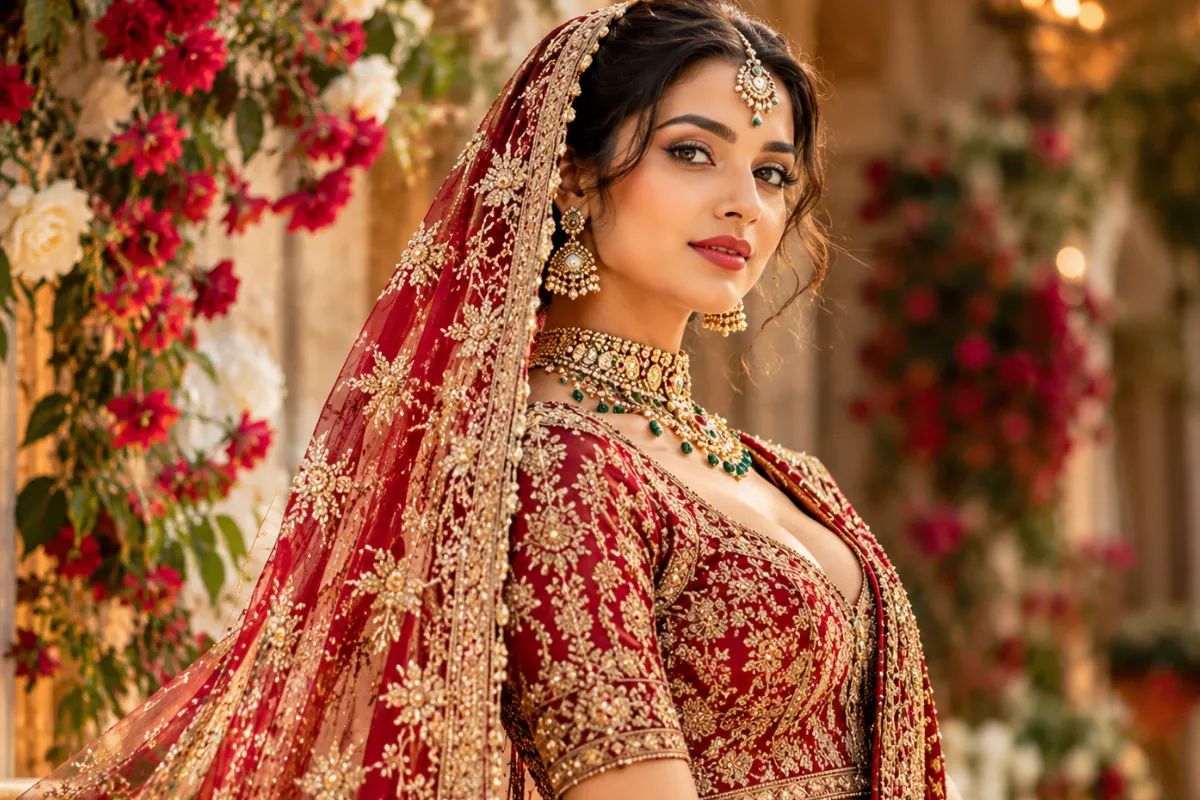
Forget the predictable red net dupatta. From heirloom tissue silk to hand-embroidered poetry and architectural draping, the bridal veil is becoming the most personal piece of the Indian wedding wardrobe.
There is a particular moment at an Indian wedding when everything seems to slow down. The bride enters, the music rises, guests turn around, and somewhere between the first glimpse of her jewellery and the sweep of her lehenga, one detail catches the light.
Her dupatta.
Perhaps it is a delicate ivory veil floating over a crimson lehenga. Perhaps it carries her grandmother’s embroidery, carefully preserved and restored. Or perhaps it is a sheer length of fabric with a single line of poetry stitched along the border, a message only she and her partner understand.
For decades, bridal shopping conversations have revolved around lehengas. The designer, the colour, the weight, the embroidery, the price. The dupatta was often treated as an accessory, something that arrived with the outfit and was adjusted by the stylist on the wedding morning.
But a more interesting approach to bridal dressing is emerging:what if the dupatta, rather than the lehenga, becomes the emotional centre of the entire look?
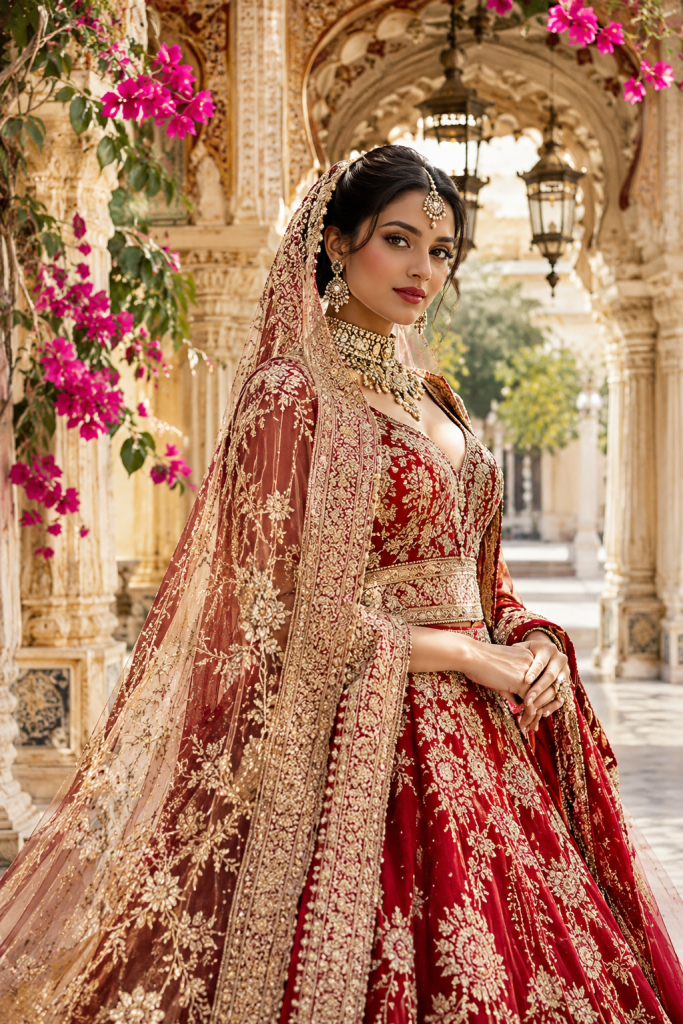
The ₹3 Lakh Lehenga Doesn’t Need Another ₹3 Lakh Statement
Indian bridal fashion has become extraordinarily elaborate. Heavily embroidered skirts, intricate blouses, dramatic jewellery and multiple accessories can compete for attention.
A thoughtfully chosen dupatta can do something expensive embellishment cannot always accomplish. It can introduce restraint.
Imagine a traditional deep-red lehenga covered in intricate gold embroidery. Instead of pairing it with an equally heavy red veil, the bride chooses a whisper-thin champagne tissue dupatta with a narrow antique-gold border.
Suddenly, the outfit feels lighter, more dimensional and distinctly personal.
This is not necessarily about minimalism. It is about visual balance.
A bridal ensemble benefits from having a focal point. When every component is equally elaborate, the eye has nowhere to settle.
The most memorable styling often comes from knowing which element should command attention and which should quietly support it.
1. The Heirloom Dupatta: Wearing Something That Already Has a Story
There is something deeply compelling about incorporating a piece of family history into a wedding outfit.
A mother’s wedding dupatta, a grandmother’s Banarasi odhni or a carefully preserved embroidered shawl can become the defining element of a contemporary bridal look.
The key is not to recreate an older wedding outfit exactly. It is to reinterpret the textile.
A vintage maroon Banarasi dupatta might look spectacular against a muted rose-gold lehenga. An old ivory chikankari odhni could soften a heavily embellished outfit. A traditional phulkari textile could become a striking shoulder drape for a Punjabi bride.
Before using an heirloom textile, however, have a specialist examine its condition. Older silk and metallic threads can be fragile, particularly around folds and borders.
The exclusive styling idea: Instead of cutting or permanently altering a family dupatta, commission a detachable supporting border or discreet attachment system that allows it to be worn safely and preserved afterward.
The result is not simply an outfit. It is a family archive that happens to be wearable.
2. The Poetry Veil: When Embroidery Becomes a Private Love Letter
Personalised embroidery offers a quieter alternative to overtly customised bridal fashion.
Instead of embroidering a large wedding date or initials across the veil, imagine a small phrase stitched along the inner edge.
It could be a line from a poem, a family blessing, a phrase in Urdu, Hindi, Punjabi or Sanskrit, or simply two words that carry meaning for the couple.
The placement matters enormously.
A message embroidered along the front border becomes part of the bridal portrait. A phrase stitched near the shoulder remains almost invisible to everyone except the bride.
For a sophisticated result, choose tonal threadwork rather than high-contrast lettering.
Ivory embroidery on ivory organza, muted gold on champagne tissue, or pale rose thread on blush tulle can create a beautiful, understated effect.
One important consideration: ask the embroiderer to provide a full-size sample of the lettering before work begins. Script-based embroidery requires careful spacing, and errors can be difficult to correct without damaging delicate fabric.
3. The Double-Dupatta Look Is More Interesting When the Fabrics Disagree
The double-dupatta look is familiar in North Indian bridal dressing. One dupatta covers the head, while another is draped across the torso or shoulder.
But the combination becomes far more visually interesting when the fabrics have contrasting textures.
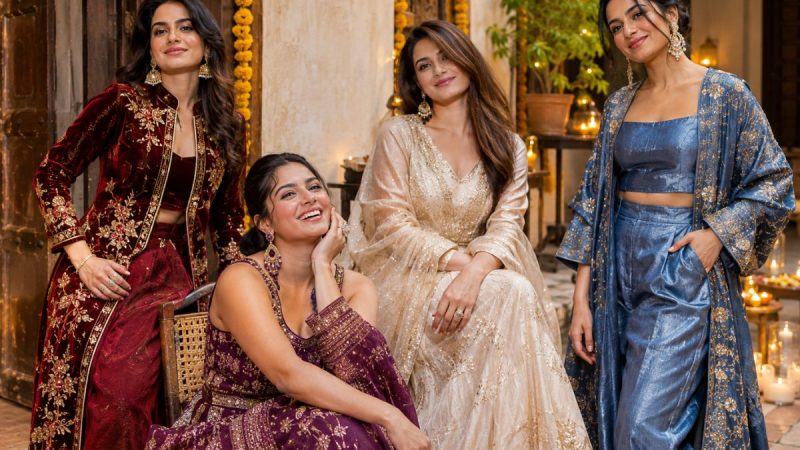
Consider pairing a structured silk dupatta with a fluid tulle veil, or a densely embroidered velvet odhni with a feather-light organza head covering.
The contrast creates movement without making the outfit look excessively busy.
For winter weddings, velvet can add richness to the shoulder drape, while a lighter fabric over the head prevents the overall look from becoming too heavy.
For summer weddings, a sheer veil paired with a finely woven silk or tissue dupatta can achieve a similar effect.
A practical detail brides often overlook: Two dupattas mean additional weight and multiple points of attachment. Ask your stylist to conduct a complete movement test before the wedding, including sitting, standing, walking and bending during ceremonies.
A beautiful drape that constantly slips is not successful styling.
4. The Unexpected Colour: Why the Veil Doesn’t Have to Match
Matching a dupatta exactly to a lehenga is the safest option, but it is rarely the only beautiful one.
Some particularly compelling combinations include:
| Lehenga colour | Dupatta colour |
|---|---|
| Classic bridal red | Dusty rose or antique gold |
| Ivory | Soft pistachio or champagne |
| Deep maroon | Muted blush |
| Champagne gold | Emerald green |
| Powder pink | Warm coral |
| Burnt orange | Pale peach or muted gold |
The secret is to consider undertones.
A cool-toned pink lehenga may clash with a strongly yellow-gold dupatta, even when both pieces look beautiful separately.
Always examine the fabrics together in natural daylight and under lighting similar to the wedding venue.
A shade that appears delicate in a showroom can look dramatically different beneath warm banquet lighting.
5. The Architectural Dupatta: A Veil That Creates the Silhouette
Not every bridal dupatta needs to be soft, flowing or traditionally draped.
A more sculptural approach can transform the entire silhouette.
Imagine a structured organza dupatta that rises slightly at the shoulders before falling into a long, controlled train. Or a pleated tissue veil that creates a cape-like shape without covering the blouse.
These looks require thoughtful construction rather than simply pinning excess fabric into place.
The fabric’s stiffness, weight, width and border all influence how the drape behaves.
A thick embroidered border may pull an otherwise lightweight dupatta downward, while an extremely soft fabric may collapse instead of holding the intended shape.
This approach is particularly suited to brides who want a dramatic reception entrance or editorial portraits without purchasing an entirely separate outfit.
However, a sculptural veil should be designed around the actual ceremony. A long train may look magnificent in photographs but become impractical during pheras or crowded wedding rituals.
The Bridal Dupatta Fabric Guide
The most expensive fabric is not automatically the best fabric. Each textile creates a different effect.
| Fabric | Visual effect | Best suited for |
|---|---|---|
| Tissue silk | Luminous, fluid, subtly metallic | Regal traditional styling |
| Organza | Crisp, translucent, sculptural | Contemporary bridal looks |
| Tulle | Soft, airy, romantic | Head veils and long trains |
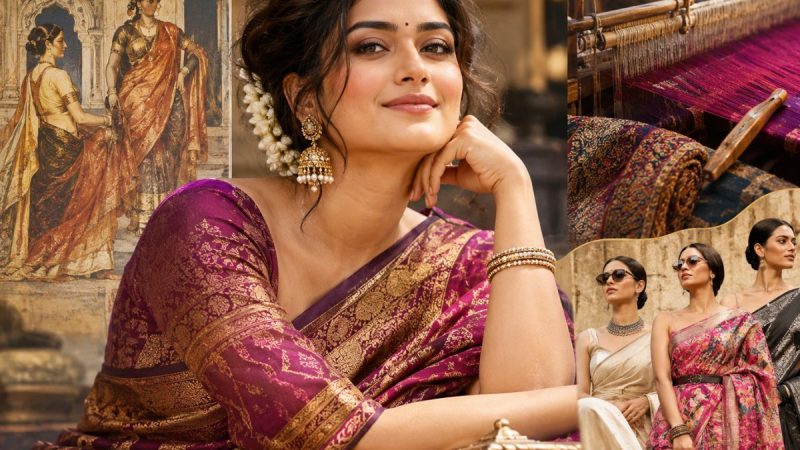
| Banarasi silk | Rich, heritage-inspired | Heirloom and traditional weddings |
| Chikankari | Delicate, textured elegance | Day weddings and understated styling |
| Velvet | Dramatic, luxurious | Winter weddings and shoulder drapes |
One caution: tissue silk and organza are not interchangeable. Tissue can vary considerably in composition and stiffness, while organza can range from soft silk varieties to much firmer synthetic versions. Always assess the actual fabric rather than relying on its name.
The Detail Nobody Talks About: How a Dupatta Looks From Behind
Bridal outfits are usually selected while standing in front of a mirror.
But during the ceremony, guests and photographers will see the bride from multiple angles.
A dupatta that looks perfect from the front may bunch awkwardly at the back, conceal the blouse embroidery or create an unflattering concentration of fabric around the waist.
This is why a complete bridal trial should include photographs from the front, both sides and behind.
The back view becomes especially important for brides choosing elaborate hairstyles, statement hair jewellery or a long veil.
A carefully designed dupatta can frame the hairstyle rather than obscure it.
Should You Buy the Dupatta Separately From the Lehenga?
For brides who want a genuinely distinctive outfit, purchasing or commissioning the dupatta separately is worth considering.
It creates more freedom in colour, texture, embroidery and draping.
But there are practical considerations.
A separately purchased dupatta should be evaluated alongside the lehenga before final alterations. The embroidery scale, metallic thread colour and fabric weight must work together.
For example, two pieces described as having gold embroidery may use entirely different gold tones. One may appear yellow and glossy, while the other has a muted antique finish.
The difference can become obvious in photographs.
If commissioning a bespoke dupatta, request fabric swatches, embroidery samples and a written delivery schedule. Hand embroidery and specialist finishing can take considerable time, and last-minute corrections may not be possible.
The Real Luxury Is Not More Embroidery. It Is More Meaning.
The Indian bridal industry is exceptionally skilled at creating spectacle.
There is no shortage of extraordinary craftsmanship, elaborate surface work or breathtaking textiles.
But spectacle alone does not make a bridal outfit memorable.
Sometimes, the most remarkable detail is a small piece of embroidery that belonged to someone the bride loves. Sometimes, it is an unexpected colour that makes an otherwise traditional ensemble feel entirely her own.
And sometimes, it is a veil so light and beautifully draped that the bride can actually enjoy wearing it.
A bridal dupatta does not need to cost a fortune, carry a designer label or require thousands of hours of embroidery to be special.
It needs to belong to the story being told.
Because years after the wedding, when the lehenga has been carefully packed away and the photographs have become family memories, the most meaningful detail may not be how extravagant the outfit looked.
It may be what the bride chose to carry with her.
Editorial note: This is an original fashion feature and styling analysis, not a report of verified 2026 sales trends or exclusive designer interviews.