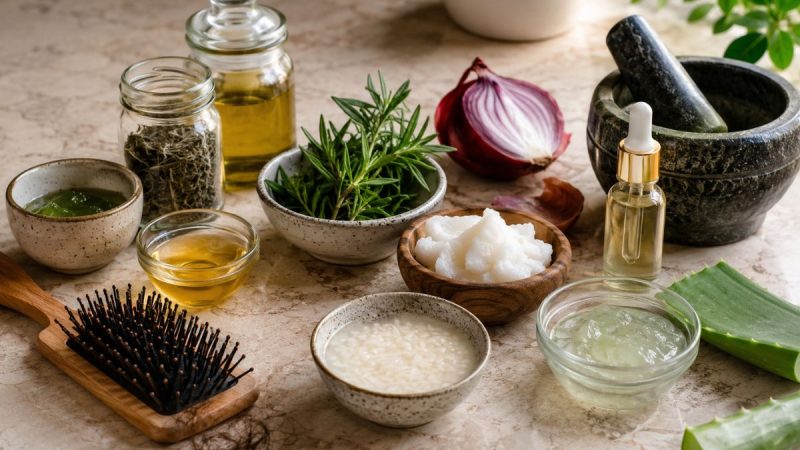
11 Ayurveda-Inspired Home Remedies for Winter Skin, Dry Hair and Everyday Wellness

From warm oil massages and gentle oatmeal baths to ginger tea and traditional Indian hair care, these Ayurveda-inspired home remedies offer simple ways to make winter more comfortable. Here is what actually helps, what science says and which popular remedies deserve caution.
Winter has a way of making even the simplest beauty and wellness routines feel complicated. Your skin becomes tight after a shower. Your scalp starts itching. Your lips feel dry despite repeatedly applying balm. You wake up with a scratchy throat, and suddenly every family WhatsApp group has a different home remedy to recommend.
One aunt swears by turmeric milk. Another insists that warm mustard oil can solve practically everything. Your grandmother recommends a head massage, while Instagram suggests an elaborate Ayurvedic skincare routine involving ingredients you have never heard of.
Some traditional remedies are genuinely useful. Others are comforting rituals with limited scientific evidence. A few can even irritate the skin or delay necessary medical treatment.
The interesting thing about Ayurveda-inspired winter care is that it does not need to involve expensive products or complicated formulations.
Many of the most practical ideas are remarkably simple: protecting the skin barrier, using gentle oils appropriately, eating nourishing meals, staying hydrated and maintaining consistent daily routines.
In Ayurveda, the colder months are traditionally associated with qualities such as dryness, coldness and roughness, often discussed in relation to Vata. This is a traditional framework for understanding seasonal balance, not a scientifically established medical diagnosis.
Modern dermatology and nutrition offer a useful way to examine which practices may actually help.
Here are 11 Ayurveda-inspired home remedies worth understanding, including their benefits, limitations and safe ways to use them.
Table of Contents
1. Warm Coconut Oil Massage for Dry Winter Skin
Warm oil massage, traditionally called abhyanga, is one of the most recognisable practices associated with Ayurvedic self-care.
The basic idea is simple. Apply a suitable oil to the skin and massage gently before bathing.
From a modern skincare perspective, oils can help reduce moisture loss by forming a protective layer over the skin. Some oils also improve the way dry skin feels by making it softer and more supple.
Coconut oil is particularly interesting because research suggests that it can improve skin hydration in certain people with dry skin.
How to try it at home
Warm a small amount of plain coconut oil between your palms. Apply it gently to dry areas such as the arms, legs and elbows. Leave it on briefly, then bathe with lukewarm water and a mild cleanser if needed.
For very dry skin, applying a fragrance-free moisturiser immediately after bathing may be more effective than relying on oil alone.
Important precautions
Coconut oil may clog pores or aggravate breakouts in some acne-prone individuals, particularly when used on the face. Avoid applying it to infected, irritated or broken skin without medical guidance.
People with coconut allergies should not use it.
What the evidence says: Coconut oil has some clinical evidence supporting its use as a moisturiser, but traditional oil massage should not be presented as a treatment for every skin condition.
2. Oatmeal Bath for Itchy, Dry and Irritated Skin
Although oats are not exclusive to Ayurveda, they fit naturally into a gentle, plant-based winter skincare routine.
Colloidal oatmeal, which is finely processed oatmeal formulated for skin use, is widely recognised for its soothing and skin-protective properties.
It can help reduce discomfort associated with dryness and mild irritation.
Unlike many homemade scrubs, colloidal oatmeal does not need aggressive rubbing to work.
How to try it at home
Choose a fragrance-free colloidal oatmeal bath product and follow the manufacturer’s instructions.
Use lukewarm rather than hot water. Soak briefly, pat the skin dry and apply a moisturiser while the skin is still slightly damp.
If using ordinary oats, remember that kitchen-ground oatmeal is not necessarily equivalent to a properly formulated colloidal oatmeal product.
Why it may help
Colloidal oatmeal contains compounds that support the skin barrier and can reduce irritation.
Important precautions
Avoid using any product that causes stinging or an allergic reaction. Persistent itching, cracked skin or a spreading rash requires medical assessment.
What the evidence says:Colloidal oatmeal has stronger dermatological support than many popular DIY skincare remedies.
3. Ginger Tea for a Scratchy Winter Throat
Few Indian winter rituals are as comforting as a warm cup of ginger tea.
Fresh ginger has a long history of culinary and traditional medicinal use. It contains bioactive compounds, including gingerols, that have been studied for various biological effects.
However, laboratory findings about ginger’s anti-inflammatory properties do not automatically mean ginger tea can treat a throat infection.
Its most immediate benefit may be much simpler.
Warm fluids can temporarily soothe throat discomfort and help maintain hydration.
How to prepare it
Wash and thinly slice a small piece of fresh ginger. Add it to a cup of water and simmer gently for five to ten minutes. Strain and allow it to cool to a comfortable drinking temperature.
Add a little honey if desired.
Honey should never be given to children younger than one year because of the risk of infant botulism.
Important precautions
Ginger can cause heartburn or stomach discomfort in some people. Concentrated ginger supplements may interact with medications, including some blood-thinning medicines.
A sore throat accompanied by breathing difficulty, inability to swallow, significant dehydration or severe symptoms needs medical attention.
What the evidence says:Warm drinks can provide temporary comfort. Evidence that ginger tea itself cures respiratory infections is insufficient.
4. Turmeric Milk as a Comforting Bedtime Drink
Haldi doodh has become internationally fashionable, but it has been part of Indian household traditions for generations.
Turmeric contains curcumin, a compound investigated for anti-inflammatory and antioxidant activity.
That does not mean a cup of turmeric milk delivers the same effects observed in studies using concentrated curcumin formulations.
Curcumin has relatively low bioavailability, and the amount consumed in ordinary food is usually much smaller than doses used in clinical research.
Still, turmeric milk can be an enjoyable winter drink.
How to prepare it
Warm one cup of milk or an unsweetened fortified plant-based alternative. Stir in approximately one-quarter teaspoon of culinary turmeric.
Add a small pinch of cinnamon or cardamom for flavour.
Avoid excessive quantities of turmeric or concentrated supplements.
What it may offer
A warm, comforting beverage that contributes fluids and, depending on the milk used, protein and other nutrients.
Important precautions
Turmeric supplements are not risk-free. Some concentrated curcumin products have been associated with liver injury. People with gallbladder problems or those taking medications should seek professional advice before using medicinal doses.
What the evidence says:Turmeric is a useful culinary ingredient, but ordinary turmeric milk has not been established as a treatment for insomnia, arthritis or infections.
5. Amla as a Winter Food for Vitamin C
Amla, or Indian gooseberry, is among the most recognisable fruits in traditional Indian wellness practices.
It is also nutritionally interesting.
Fresh amla contains vitamin C, although the amount varies with the variety, storage conditions and processing method.
Vitamin C supports normal immune function, collagen formation and wound healing.
This does not mean eating amla prevents every seasonal infection or guarantees glowing skin.
It means amla can be a valuable part of a varied diet.
How to include it
Try fresh amla chutney, chopped amla in salads or small portions of homemade amla preparations.
If using packaged amla products, check the sugar content. Some commercial candies and preserves contain substantial added sugar.
Important precautions
Amla’s acidity may aggravate reflux or cause discomfort in some individuals. Concentrated extracts should not be assumed to have the same safety profile as the fruit.
What the evidence says: Amla is a nutritious food source of vitamin C, but claims that it detoxifies the body or reverses ageing are not supported by strong clinical evidence.
6. Gentle Scalp Oiling for Dry Hair
Indian hair care traditions have long included oiling the scalp and hair before washing.
Coconut oil is particularly relevant because research suggests it can reduce protein loss from hair under certain conditions.
This makes it different from simply coating the hair with a product that provides temporary shine.
However, scalp health and hair-shaft health are not the same thing.
An oil that improves the feel of dry hair may not be appropriate for a scalp affected by dandruff or seborrhoeic dermatitis.
How to try it
Apply a small quantity of coconut oil to the hair lengths and ends before washing.
Leave it on for approximately 20 to 30 minutes, then shampoo gently.
People with a dry, non-irritated scalp may also tolerate a light massage, but heavy scalp oiling is unnecessary.
Important precautions
If you have persistent flakes, redness, itching or greasy dandruff, avoid assuming that more oil is the answer.
Seborrhoeic dermatitis often requires targeted treatment, such as an appropriate medicated shampoo.
What the evidence says:Coconut oil has evidence for reducing hair protein loss. There is insufficient evidence that routine oiling regrows hair or treats all forms of hair loss.
7. Besan and Curd: A Traditional Face Pack That Needs Caution
Besan and curd face packs are deeply familiar in Indian beauty traditions.
They are often promoted as natural solutions for dull skin, tanning, acne and pigmentation.
But natural ingredients are not automatically gentle.
Besan can behave like a physical exfoliant when rubbed across the skin, while curd contains lactic acid in variable concentrations.
Neither homemade ingredient provides the consistency, stability or safety testing of a properly formulated skincare product.
A safer approach
If you enjoy traditional face packs and have healthy, non-sensitive skin, avoid harsh rubbing and perform a small patch test before applying any new mixture.
Do not use homemade packs on broken skin, active eczema or inflamed acne.
For regular winter skincare, a gentle cleanser and fragrance-free moisturiser are more reliable choices.
What the evidence says:There is insufficient high-quality clinical evidence that homemade besan-curd packs safely treat pigmentation, acne or tanning.
The traditional ritual may be enjoyable, but it should not replace evidence-based treatment.
8. Sesame Oil for Dry Hands and Feet
Sesame oil, traditionally called til oil, is frequently associated with winter massage in Indian households.
It contains fatty acids that can help soften the skin and reduce the feeling of dryness.
For people who tolerate it, a small amount may work as an emollient.
How to use it
Apply a little plain sesame oil to clean, slightly damp hands or feet.
For cracked heels, a thick moisturiser containing petrolatum or an appropriate urea concentration is generally a more predictable option.
Cotton socks can help protect moisturised feet overnight.
Important precautions
Sesame is a recognised allergen. Anyone with sesame allergy should avoid sesame oil unless a clinician confirms that a specific preparation is safe.
Deep heel cracks, bleeding, infection or foot wounds in people with diabetes require professional care.
What the evidence says:Sesame oil can function as a skin-conditioning oil, but there is limited high-quality evidence that it outperforms standard moisturisers for winter dryness.
9. Warm Soups and Khichdi for Gentle Winter Nourishment
Not every home remedy needs to involve something applied to the skin.
One of the most practical winter wellness habits is eating regular, nourishing meals.
Traditional Indian foods such as vegetable khichdi, dal, seasonal sabzi and homemade soups can provide carbohydrates, protein, fibre, fluids and micronutrients.
Ayurvedic traditions often emphasise warm, freshly prepared foods during colder months.
From a modern nutrition perspective, the benefits depend on the ingredients and overall dietary pattern rather than the temperature of the food alone.
A simple winter meal idea
Prepare moong dal khichdi with rice, lentils, carrots, peas and a small quantity of ghee or another suitable fat.
Serve it with plain curd if tolerated and a side of cooked vegetables.
Adjust the ingredients to your dietary needs.
Why it may help
A balanced meal can support adequate energy and nutrient intake, particularly when appetite or meal routines become irregular.
What the evidence says:Balanced nutrition supports general health. No single winter dish can independently boost immunity or cure seasonal illness.
10. Steam-Free Warm Compress for Sinus Discomfort
Steam inhalation is a common household recommendation for blocked noses.
However, leaning over a bowl of boiling water can cause serious burns, particularly in children.
There is also limited evidence that steam inhalation meaningfully shortens respiratory infections.
A safer comfort measure is a warm compress.
How to try it
Soak a clean cloth in comfortably warm water, wring it out and place it gently over the forehead or cheeks for a few minutes.
Make sure the cloth is not hot enough to burn the skin.
For nasal congestion, a commercially prepared saline nasal spray may also provide relief.
If using nasal irrigation, follow product instructions and use only distilled, sterile, or previously boiled and cooled water.
Important precautions
Facial pain with swelling, severe headache, high fever or symptoms that persist or worsen requires medical evaluation.
What the evidence says:Warm compresses may provide temporary comfort, but they do not treat the underlying cause of sinus infections.
11. A Consistent Evening Routine for Better Winter Sleep
Ayurvedic daily-routine traditions, often discussed under the concept of dinacharya, emphasise consistency.
This may be one of the most practical ideas to borrow.
Modern sleep science also recognises the importance of regular sleep and wake times.
A predictable evening routine can help establish cues that prepare the body for rest.
Try this simple routine
Finish heavy meals sufficiently before bedtime to avoid discomfort.
Dim bright lights during the final hour of the evening.
Keep the bedroom comfortably cool.
Choose a relaxing activity such as reading, gentle stretching or listening to calming music.
Maintain a consistent wake-up time, including on weekends when practical.
Important precautions
Persistent insomnia, loud snoring with breathing pauses or significant daytime sleepiness should not be managed solely through home remedies.
What the evidence says:Regular sleep schedules and appropriate sleep habits are supported by sleep-health guidance, although they may not be sufficient to treat chronic insomnia.
Which Ayurveda-Inspired Remedies Have the Best Scientific Support?
| Remedy | Potential benefit | Evidence assessment |
|---|---|---|
| Coconut oil on dry skin | Helps improve moisture retention | Some supportive clinical evidence |
| Colloidal oatmeal bath | Soothes dry, irritated skin | Established dermatological use |
| Ginger tea | Temporary throat comfort and hydration | Limited evidence for treating infections |
| Turmeric milk | Comforting beverage and nutritional contribution | Insufficient evidence for medicinal claims |
| Fresh amla | Provides vitamin C | Established nutritional benefit |
| Coconut oil on hair | May reduce hair protein loss | Supportive laboratory and hair-fibre research |
| Besan-curd face pack | Traditional cleansing ritual | Insufficient clinical evidence |
| Sesame oil | Skin conditioning | Limited comparative clinical evidence |
| Nutritious khichdi | Supports balanced dietary intake | Benefits depend on ingredients |
| Warm compress | Temporary facial comfort | Limited evidence for disease treatment |
| Consistent sleep routine | Supports healthy sleep patterns | Supported by sleep-health guidance |
5 Popular Ayurvedic Home Remedies You Should Be Careful With
Not every traditional recommendation is harmless.
Applying lemon juice directly to the face:Lemon juice can irritate skin, and exposure to sunlight after contact with certain citrus compounds may cause phytophotodermatitis, a reaction that can result in burns and pigmentation.
Using undiluted essential oils:Concentrated essential oils, including tea tree and peppermint oil, can cause irritation or allergic contact dermatitis. They should not be applied casually to sensitive skin.
Drinking excessive herbal detox mixtures:The liver and kidneys already perform essential waste-processing functions. There is no convincing evidence that routine herbal detox drinks remove unspecified toxins from a healthy body.
Taking Ayurvedic supplements without checking their contents:Some traditional or improperly manufactured preparations may contain harmful levels of heavy metals or interact with prescription medications. Choose products carefully and consult a qualified healthcare professional.
Using home remedies instead of medical treatment:Persistent hair loss, severe eczema, unexplained fatigue, chronic digestive symptoms and recurring infections deserve proper assessment.
Traditional knowledge can inspire useful habits, but it should not be used to dismiss symptoms that need medical care.
Frequently Asked Questions
Are Ayurvedic home remedies scientifically proven?
Some ingredients and practices associated with Ayurveda have been studied and show potential benefits. Others have limited or inconsistent evidence. Each remedy should be evaluated individually rather than assuming all traditional treatments are either effective or ineffective.
Which home remedy is best for dry winter skin?
A fragrance-free moisturiser applied after bathing is one of the most reliable approaches. Coconut oil may help some people, while colloidal oatmeal products can soothe dryness and irritation. Persistent eczema may require medical treatment.
Can turmeric milk improve immunity?
Turmeric contains compounds studied for biological activity, but there is insufficient evidence that ordinary turmeric milk prevents infections or meaningfully strengthens immune function. Adequate nutrition, sleep, vaccination and other preventive measures remain more important.
Is coconut oil good for hair growth?
Coconut oil may help reduce protein loss from hair, but there is no strong evidence that it reliably stimulates new hair growth. Hair loss can have many causes, including genetics, nutritional deficiencies and hormonal conditions.
Can I use Ayurvedic remedies every day?
It depends on the remedy, your health and the ingredients involved. Ordinary foods and gentle skincare practices may be appropriate for regular use, while concentrated herbs, supplements and essential oils require more caution.
Are natural skincare remedies safer than commercial products?
Not necessarily. Natural ingredients can cause allergies, irritation and other adverse reactions. Commercial products that are appropriately formulated and tested may offer more predictable results than homemade mixtures.
What is the safest Ayurveda-inspired winter routine?
A practical routine includes gentle bathing, regular moisturising, balanced meals, adequate fluids, suitable hair care and consistent sleep. Avoid aggressive DIY treatments and seek medical advice for persistent symptoms.
The Real SHEE Power Takeaway
The most valuable lesson from Ayurveda-inspired winter wellness may not be a rare herb, an expensive oil or a complicated beauty ritual.
It is the importance of consistency.
A warm meal prepared with nutritious ingredients. A gentle moisturising routine. A few minutes of self-care. Adequate sleep. Paying attention to how your body responds to seasonal changes.
These habits may sound ordinary, but ordinary habits are often more sustainable than dramatic wellness transformations.
Traditional Indian household practices can be a source of comfort, cultural connection and practical inspiration. Modern science can help us understand which practices are beneficial, which remain uncertain and which may carry risks.
The goal should not be to choose between tradition and science.
It should be to use both thoughtfully.
Because good self-care is not about following every remedy your grandmother recommended or every wellness trend the internet promotes. It is about understanding what genuinely works for you.
Medical disclaimer: This article is for general educational purposes and does not replace medical advice, diagnosis or treatment. Consult a qualified healthcare professional before using herbal supplements or treating persistent health conditions.