The Fourth Trimester: What New Mothers Deserve to Know About the First Weeks After Birth

We prepare for months for the day a baby arrives. We read about labour, pack the hospital bag, and count down to the due date. But far less is said about what comes next — the first twelve weeks after birth, a stretch so important that doctors now give it a name of its own: the fourth trimester.
It is the period when a mother’s body heals, her hormones recalibrate, and her whole world rearranges around a tiny, demanding new person. It can also be one of the most physically and emotionally fragile times in a woman’s life — and because so few people talk about it honestly, many new mothers assume that whatever they are feeling must be their own failing. It is not. Knowing what to expect, and what is not normal, can make all the difference.
Your body is recovering — give it time
Whether a woman gives birth vaginally or by caesarean, her body has done something enormous, and recovery is not instant. In the early weeks it is normal to have vaginal bleeding that gradually lightens, some soreness, breast changes as milk comes in, and a level of tiredness that can feel bottomless. Sleep comes in fragments, and that alone takes a toll.
What isnotroutine — and is worth contacting a doctor about promptly — includes very heavy bleeding (soaking through a pad in an hour, or passing large clots), a fever, a wound that becomes red, swollen or painful, severe headache, chest pain or breathlessness, or pain and swelling in one leg. These can be signs of complications such as infection or a blood clot, and they deserve medical attention rather than waiting. Trusting that “something feels wrong” is reasonable; a check-up is always better than worrying alone.
The emotional side: baby blues vs. something more
In the first days after birth, a large share of women experience the “baby blues” — weepiness, mood swings, irritability and feeling overwhelmed. This is extremely common, driven largely by the sudden hormonal shift after delivery, and it usually eases on its own within about two weeks.
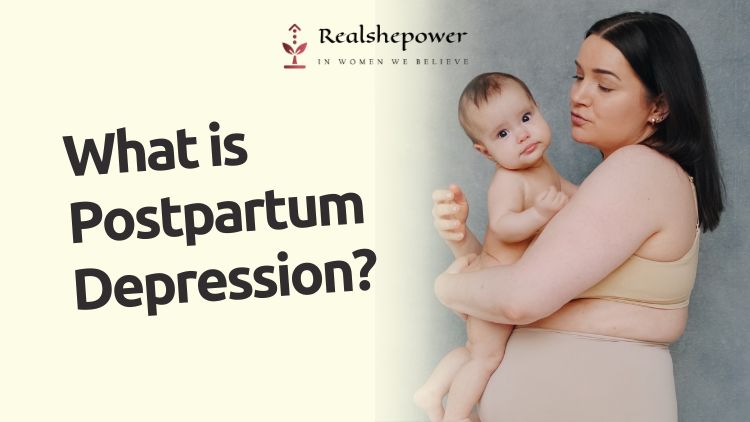
Postpartum depression is different. It is deeper, lasts longer, and does not simply lift. A mother may feel persistently sad, empty or hopeless; lose interest in things she used to enjoy; struggle to bond with her baby; feel intensely anxious, guilty or worthless; or have changes in sleep and appetite beyond what a newborn explains. It can begin any time in the first year, not only in the first weeks. Postpartum depression is common and it is treatable — it is a medical condition, not a character flaw or a sign of being a “bad mother.”
Two other conditions deserve mention. Postpartum anxiety can bring relentless worry, racing thoughts and physical symptoms like a pounding heart. And very rarely, postpartum psychosis — with confusion, severe mood changes, or frightening thoughts and beliefs — is a medical emergency that needs immediate help. If a mother ever has thoughts of harming herself or her baby, that is the moment to reach out for urgent support, not to wait.
When and how to ask for help
Perhaps the most important message of the fourth trimester is this: asking for help is a sign of strength, not weakness. If low mood, anxiety or a sense of not coping lasts beyond two weeks, interferes with daily life, or simply frightens her, a mother should speak to her doctor. Effective support exists — from counselling and practical help to medical treatment where needed — and the earlier it starts, the faster recovery tends to be.
Routine postnatal check-ups are the natural place to raise these concerns, but no one needs to wait for an appointment if things feel urgent. A trusted doctor, a helpline, or even an honest conversation with a family member can be the first step.
What partners and families can do
Recovery is far easier when a new mother is not carrying everything alone. Those around her can help in simple, powerful ways: taking on night feeds or household tasks so she can rest, listening without judging or rushing to “fix,” noticing changes in her mood and gently encouraging her to seek help, and reminding her that struggling does not make her any less of a wonderful mother. Practical support and emotional safety are not luxuries in these weeks — they are part of good care.
A gentler expectation
The fourth trimester asks a great deal of women at a time when they have the least to give. The more openly we talk about it — the healing, the exhaustion, the mood changes, and the warning signs — the less alone new mothers will feel, and the sooner those who need help will get it. Every mother deserves that much.
This article is for general information and is not a substitute for personalised medical advice; a woman should consult her own doctor about her health.
 MATERNAL MENTAL HEALTH
Understanding Postpartum Depression: Signs, Causes and Ways to Get Help
Motherhood brings profound changes, but persistent sadness, anxiety and emotional exhaustion deserve attention. Learn how postpartum depression differs from the baby blues, what symptoms to recognise and which treatments and support options can help.
READ THE COMPLETE GUIDE