Iceland: Where the Earth Breathes Beneath Your Feet

The first thing you notice in Iceland isn’t the cold—it’s the silence. A silence so pure that it hums in your bones. Then, slowly, the land starts to speak: the hiss of steam escaping from cracks in the earth, the crackle of ice shifting across a lagoon, the thunder of waterfalls that sound like gods arguing in the distance. Iceland is not a country. It is a living creature.
I remember standing at Þingvellir, where two tectonic plates slowly drift apart, carving the land like a wound that never closes. The guide spoke about geology, history, Vikings. But what I felt was older than all that—a sense that the earth here breathes differently, that every rock is mid-sentence in a story too ancient for humans to finish.
Layers You Don’t See on Instagram

Most people come for the Blue Lagoon, the black beaches of Vík, the northern lights. They leave with photos—beautiful, yes—but not with Iceland. Because Iceland only reveals itself in the in-betweens:
- In the sulphur stench of bubbling mud pools at Námafjall, where the ground spits like it resents being stepped on. The smell is sharp, metallic, almost unbearable, but it reminds you—you’re standing above a planet that’s alive, restless, and uncontainable.
- In the tiny turf churches in the Westfjords, where grass grows on roofs, blending human prayer into the landscape itself. Step inside, and the air smells of damp wood and candle wax. Locals will tell you trolls live in the mountains nearby. They say it casually, as if saying, “It might rain today.”
- In Reykjavík’s winter nights, where strangers gather in hot pools outdoors while snow falls into steaming water. The conversation drifts easily: politics, fishing, life. And then silence, always silence, as everyone tilts their head back to watch green ribbons of aurora unravel across the sky.
Stories Locals Whisper
- In the village of Húsavík, known for whale watching, an old fisherman told me: “When you see a whale, don’t clap. Don’t cheer. They are not circus animals. They are older than us.”
I watched then, differently—humbled, almost embarrassed, as a humpback surfaced, exhaled, and disappeared again like a gentle god. - In the Eastfjords, I met a woman who swore her grandmother spoke to huldufólk—the hidden people. “We don’t build roads through certain rocks,” she said, “because they live there.” Laugh if you want, but when you see those solitary boulders standing like sentinels in mist, you’ll think twice before calling it superstition.
A Travel Tip Hidden in a Story
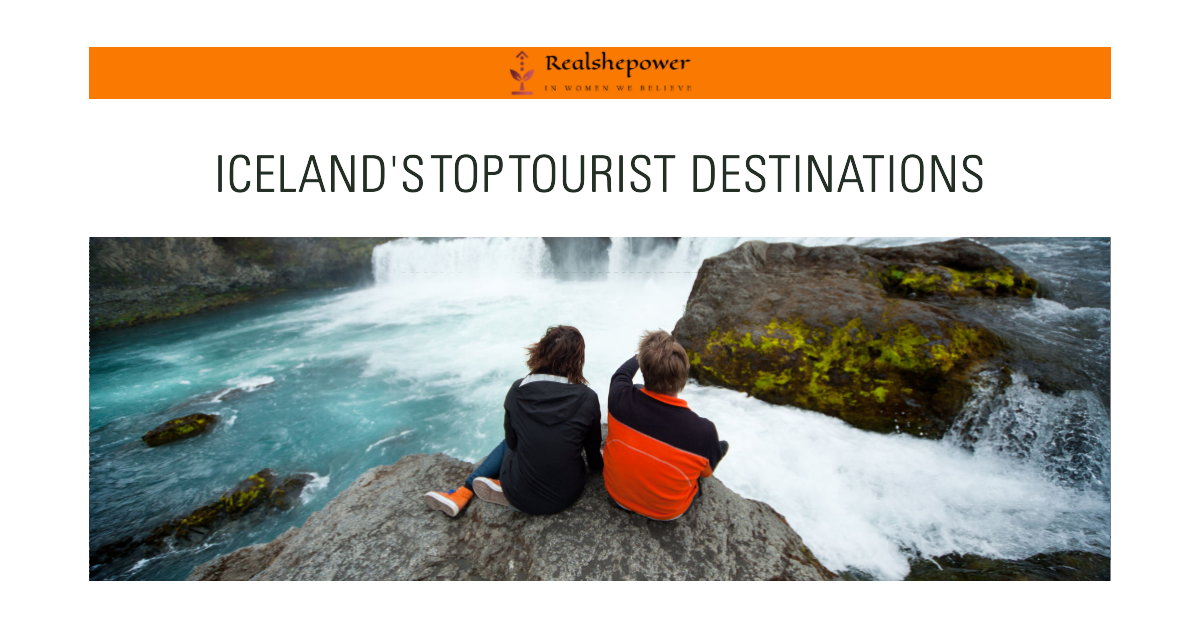
Skip the tour buses. Rent a car, even if the roads terrify you. Drive until the paved highways give way to gravel, until the landscape looks like another planet. One night, I stopped by a nameless waterfall not one in the guidebooks, not one with a sign. Just a ribbon of water tumbling down black basalt. I stayed there alone for an hour, the cold numbing my hands, because it felt like the waterfall was speaking only to me. That moment taught me: Iceland doesn’t reveal itself in itineraries. It reveals itself in accidents.
Why Iceland Gets Under Your Skin

Iceland changes you because it refuses to let you be bigger than it. In cities, we conquer skyscrapers, freeways, noise. In Iceland, you are reduced to scale. The mountains glare down. The volcanoes rumble warnings. The glaciers groan under their own weight. You stop trying to control. You start listening.
When I left, I carried no souvenirs, no fridge magnets. Only the memory of standing at the edge of Jökulsárlón, where icebergs cracked and floated out to sea, glowing blue in the dying light. It wasn’t beauty I felt. It was awe, raw and unsettling.
That is Iceland. Not the place you go to see.
The place you go to remember what it feels like to be human again.