Fire in the Pacific: Kilauea Erupts with Spectacular Lava Fountains in April 2026
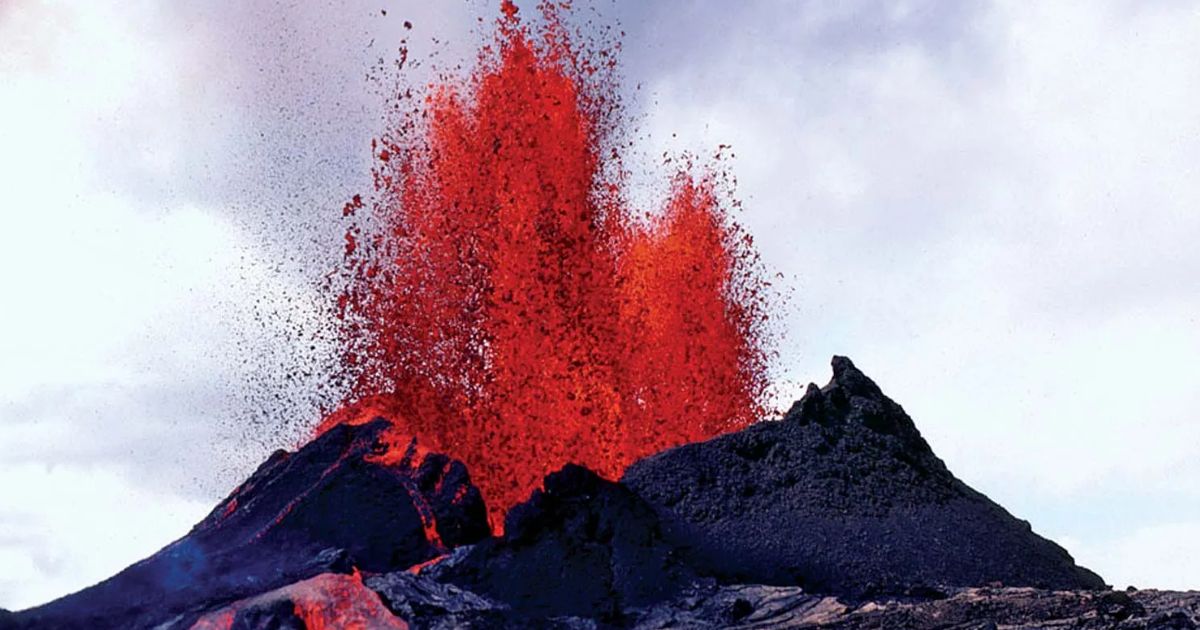
Kilauea Eruption 2026
The Big Island of Hawaii is once again witnessing the raw power of planetary creation. Early this morning, April 11, 2026, the USGS Hawaiian Volcano Observatory (HVO) detected a surge in seismic activity followed by a rhythmic “lava heartbeat” within the Halemaʻumaʻu crater. By dawn, Kilauea had officially entered a new eruptive phase, sending plumes of gas and spectacular fountains of molten rock hundreds of feet into the air.
Table of Contents
Current Eruption Status
This 2026 event is currently confined within the Hawaiʻi Volcanoes National Park, meaning there is no immediate threat to residential areas or infrastructure. However, the intensity of the “fountain phase” is higher than seen in the 2024-2025 cycles. Scientists are monitoring several fissures that have opened on the crater floor, discharging basaltic lava that is rapidly forming a new lava lake.
The HVO has raised the Volcano Alert Level to WARNING and the Aviation Color Code to RED, primarily due to the significant amount of volcanic ash and “Pele’s hair” (fine volcanic glass fibers) being carried downwind.
The Environmental Impact: Vog and Air Quality
For residents of the Big Island and the neighboring islands of Maui and Lana’i, the primary concern isn’t the lava itself, but Vog (volcanic smog). Vog is created when sulfur dioxide (SO2) reacts with oxygen and moisture in the presence of sunlight.
The current SO2 emission rates are estimated at over 5,000 tonnes per day. This has led to a degradation of air quality in the Kaʻū district and Kona side of the island. Health officials are advising individuals with respiratory conditions, such as asthma or COPD, to remain indoors and keep windows closed as the trade winds shift the plume westward.
Impact on Hawaii Tourism
For travelers, the eruption is a double-edged sword. While it provides a once-in-a-lifetime visual spectacle—best viewed from the Volcano House or the designated overlooks along Crater Rim Drive—it has also led to the temporary closure of certain hiking trails and backcountry areas for safety reasons.
The National Park remains open, and “lava tourism” is expected to surge over the coming weeks. Local tour operators are already seeing a 40% increase in helicopter tour bookings. Travelers are urged to check the official National Park Service website for real-time closures before heading to the summit.
Conclusion: A Dynamic Landscape
Kilauea is one of the most active volcanoes on Earth, and its 2026 eruption serves as a reminder of Hawaii’s dynamic nature. As long as the eruption remains contained within the caldera, it remains a scientific and visual marvel rather than a natural disaster. We will continue to monitor the fissure outflows and the “inflation” of the summit to predict how long this fiery display might last.