Melasma and Pigmentation in Indian Women: What Actually Works Beyond Sunscreen
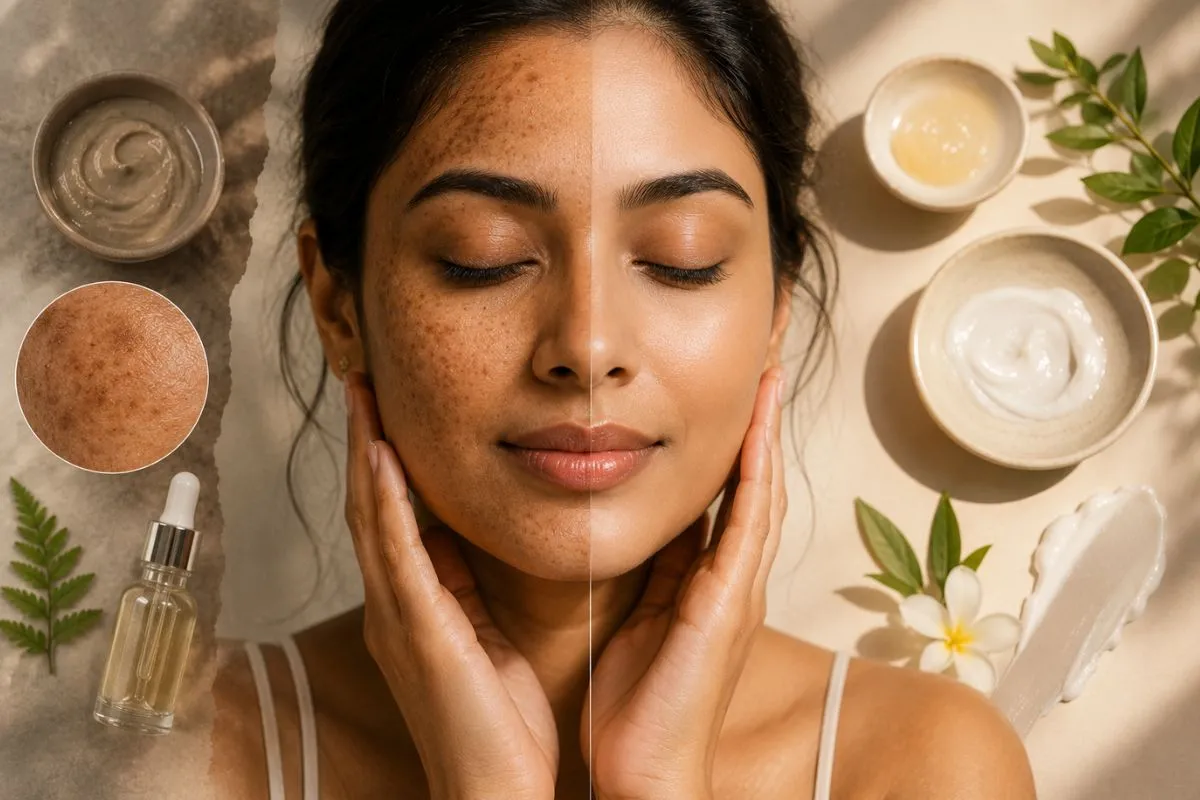
Pigmentation is arguably the single most common skin complaint among Indian women, and it is also one of the most misunderstood. Sunscreen gets recommended constantly, and rightly so, but plenty of women apply sunscreen faithfully for months and still watch melasma patches or post acne marks barely fade. The missing piece is rarely effort. It is understanding that sunscreen alone treats the trigger, not the pigmentation that has already formed.
This article closes out our sunscreen series, following the Honest Guide to Sunscreen in India, our breakdown of oily versus dry skin textures, and our piece on monsoon skincare. Here, the focus shifts to what actually works once pigmentation has already appeared, and why Indian skin specifically faces a harder version of this problem than a lot of imported skincare advice accounts for.
Why Indian Skin Is More Prone to Pigmentation
Melanin, the pigment responsible for skin tone, is also the skin’s natural defense against UV damage. Deeper skin tones, common across most of India, contain more active melanocytes, the cells that produce melanin. This is protective in one sense, since it offers more natural UV resistance than fairer skin. It is also the reason medium to deep skin tones are significantly more prone to hyperpigmentation, since those same melanocytes overreact more easily to triggers like inflammation, sun exposure, and hormonal shifts, producing excess pigment in response.
This single biological fact explains why so much mainstream skincare advice, developed largely around fairer skin types less prone to pigmentation, underestimates how aggressively pigmentation needs to be addressed on Indian skin, and why sun protection alone, while essential, is rarely the full answer.
Melasma Versus Post Inflammatory Hyperpigmentation: Not the Same Problem
These two get lumped together constantly, but they behave differently and respond to different treatments.
Melasma shows up as symmetrical, often blotchy patches, typically across the cheeks, forehead, upper lip, and bridge of the nose. It is strongly linked to hormonal triggers, pregnancy, birth control, hormonal fluctuations, alongside UV and even visible light exposure. Melasma is notoriously stubborn and prone to recurring even after successful treatment, since the underlying hormonal and vascular factors driving it do not disappear once the visible pigmentation fades.
Post inflammatory hyperpigmentation, often shortened to PIH, is the dark mark left behind after acne, a cut, a burn, waxing irritation, or any other inflammatory event on the skin. Unlike melasma, PIH is generally not hormonally driven and tends to fade more predictably over time, though the timeline can still stretch to many months without active treatment.
Treating these as the same problem, which a lot of generic skincare advice does, leads to frustration. Melasma responds better to a longer term, more cautious approach, since aggressive treatment can actually worsen it through irritation. PIH generally tolerates a slightly more assertive approach, since the pigment is less hormonally entrenched.
Why Sunscreen Alone Is Necessary but Not Sufficient
Everything in our pillar sunscreen guide about SPF and PA ratings still applies here, and skipping sunscreen while trying to treat pigmentation is close to pointless, since new UV exposure actively works against whatever treatment you are using. But sunscreen’s job is prevention of new pigmentation, not correction of pigment that already exists in the skin.
There is one specific sunscreen detail worth repeating for anyone dealing with melasma specifically: visible light, the light your eyes actually see, not just invisible UV rays, has been shown to trigger and worsen melasma in medium to deep skin tones. Standard chemical sunscreens filter UV well but offer little protection against visible light. Iron oxide, a pigment sometimes added to tinted mineral sunscreens, provides meaningful visible light protection that plain, untinted sunscreen does not. For anyone with diagnosed melasma, a tinted mineral or hybrid sunscreen containing iron oxide is worth specifically seeking out over a plain, clear formula.
Ingredients That Actually Fade Existing Pigmentation
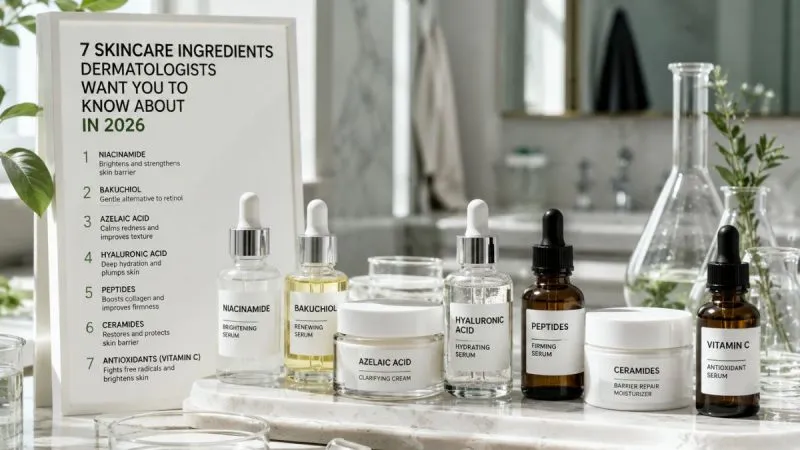
Niacinamide works by interrupting the transfer of pigment from melanocytes to surrounding skin cells, gradually reducing the visibility of dark patches with consistent use. It is gentle enough for daily use and pairs well with almost everything else on this list.
Vitamin C works as an antioxidant that also inhibits the enzyme responsible for melanin production. It brightens overall tone gradually and offers some additional protection against the free radical damage that worsens pigmentation over time. Morning use alongside sunscreen is generally the most effective placement.
Azelaic acid is genuinely underrated for pigmentation, particularly for those with sensitive or acne prone skin who cannot tolerate stronger actives. It reduces excess melanin production while also calming inflammation and controlling acne, making it a useful dual purpose option for anyone dealing with both pigmentation and breakouts at once.
Tranexamic acid has become one of the more significant developments in pigmentation treatment over recent years, particularly for melasma specifically. It works by reducing the vascular and inflammatory triggers that feed melasma, addressing the problem from a different angle than melanin inhibiting ingredients alone. It is available both topically and, under dermatological supervision, orally, with the oral form generally reserved for more stubborn, dermatologist managed cases.
Retinoids, including retinol and prescription strength tretinoin, accelerate skin cell turnover, helping pigmented cells shed faster while also improving how well other brightening ingredients penetrate. They require patience, consistent use over months rather than weeks, and careful introduction, since irritation from overuse can itself trigger more post inflammatory pigmentation, particularly on melanin rich skin.
Alpha and beta hydroxy acids, used consistently but gently, support the same cell turnover process as retinoids with generally less irritation risk, making them a reasonable starting point for anyone new to actives or managing sensitive skin.
What to Avoid
Aggressive, high strength exfoliation and frequent professional peels done without proper aftercare are a genuine risk for Indian skin specifically, since the inflammation from over treatment can itself trigger new post inflammatory pigmentation, sometimes worse than what was being treated in the first place. This is a well known pitfall in melanin rich skin generally, and it is worth approaching any in clinic treatment, chemical peels, lasers, microneedling, with a practitioner who has specific experience treating medium to deep skin tones, not just general dermatology experience.
Skin lightening products containing hydroquinone above regulated concentrations, or unregulated formulas sold without proper guidance, carry real risks including a rebound darkening condition called ochronosis with prolonged unsupervised use. Hydroquinone can be an effective, dermatologist prescribed short term treatment, but it is not a product to self administer indefinitely from an unregulated source.
Building a Realistic Pigmentation Routine
Morning: a gentle cleanser, vitamin C serum, moisturizer, then a tinted mineral or hybrid sunscreen with iron oxide if melasma is a specific concern, otherwise any well formulated broad spectrum SPF 30 to 50 with PA+++ or higher.
Evening: cleanser, followed by one targeted active, niacinamide, azelaic acid, tranexamic acid, or a retinoid, rather than layering several strong actives at once, then a supportive moisturizer to protect the skin barrier while the active does its work.
This restrained approach echoes what our Skin Minimalism piece found more broadly: layering multiple actives simultaneously on Indian skin under intense UV, heat, and humidity often worsens sensitivity and pigmentation rather than accelerating results. Pigmentation treatment specifically punishes impatience and over layering more than almost any other skin concern, since irritation itself is a direct trigger for more pigmentation.
Managing Expectations Honestly
Existing pigmentation, particularly melasma, generally takes three to six months of consistent, correct treatment to show meaningful fading, and melasma in particular can recur with hormonal changes, pregnancy, sun exposure, or simply time, even after successful treatment. This is not a reason to give up on treatment. It is a reason to build a routine you can sustain for months rather than one that promises results in weeks and gets abandoned when it inevitably does not deliver on that timeline.
If concealing pigmentation while you treat it matters day to day, our NARS Cosmetics review covers a concealer specifically suited to blemishes, pigmentation, and redness, which is a reasonable interim step while topical treatment does its slower work underneath. And if you are choosing between a budget or luxury pigmentation targeted product, our earlier piece on Are India’s High-End Beauty Brands Actually Worth the Splurge? found that certain luxury facial oils genuinely earn their price specifically for pigmentation, working the tone rather than simply sitting on top of it, which is worth knowing before assuming every expensive pigmentation product is just clever marketing.
Pigmentation on Indian skin is a longer, more biologically loaded fight than most global skincare content accounts for. Sunscreen is the floor, not the ceiling. The ceiling is a patient, correctly layered routine, realistic expectations measured in months, and treating melasma and PIH as the genuinely different conditions they are.

This article is for informational and educational purposes only and does not constitute medical or dermatological advice. Consult a qualified dermatologist for diagnosis and treatment of melasma, hyperpigmentation, or any persistent skin concern.