The Green Transition Paradigm: How Renewable Energy Integration Is Driving Sustainable Industrial Growth
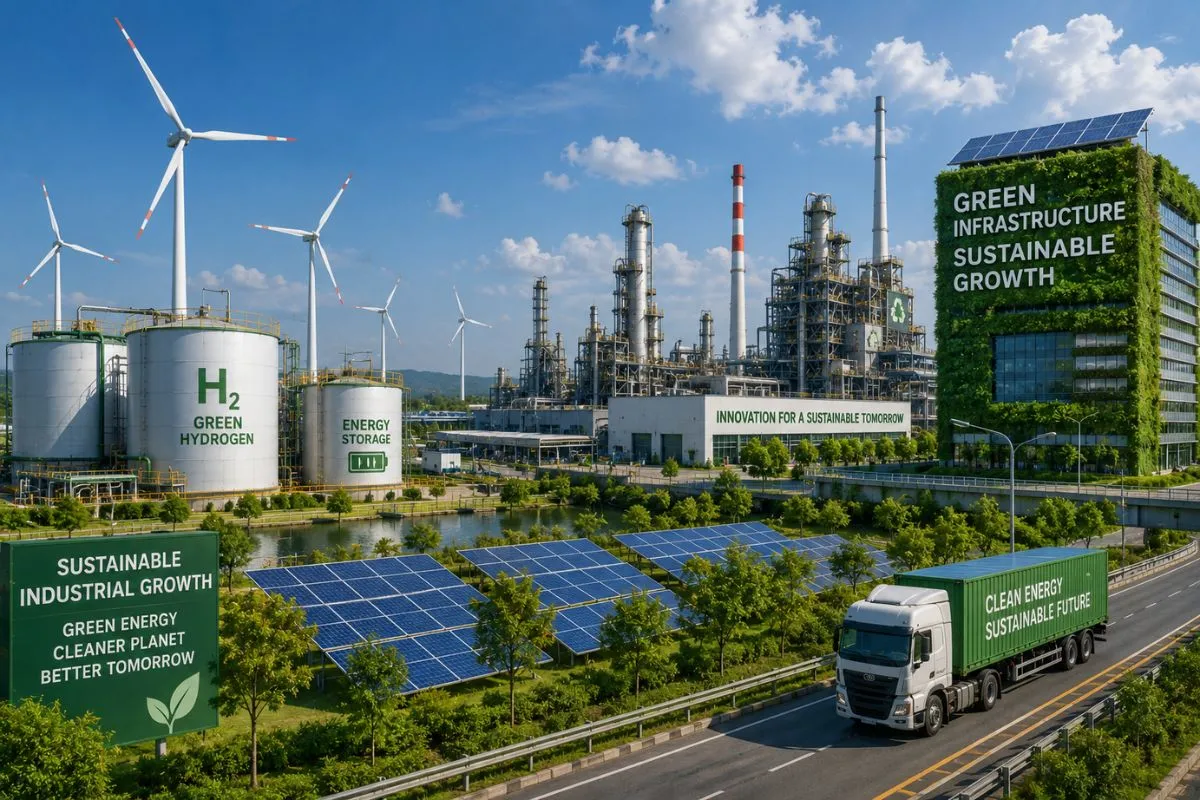
Grid Modernization: Energy sectors are shifting toward smart distribution networks capable of managing intermittent renewable power through advanced battery storage systems.
Green Hydrogen Expansion: Industrial manufacturing hubs are adopting hydrogen fuel technology to decarbonize heavy manufacturing, steel production, and long-haul transport.
Decentralized Power Infrastructure: Microgrids and community solar projects are empowering regional economies with reliable, localized energy independent of main power lines.
The global industrial engine is undergoing a rapid fundamental shift as traditional, fossil-fuel-dependent manufacturing gives way to clean, renewable energy architectures. For decades, heavy manufacturing, logistics, and power utilities relied on centralized fossil fuel generation to maintain steady baseload operations. Today, stringent international climate targets, falling costs of solar and wind installations, and heightened consumer demand for environmental responsibility are compelling industrial giants to completely reimagine their power generation models.
At the heart of this energy evolution is the deployment of large-scale battery energy storage systems coupled with AI-driven smart power grids. Because solar and wind generation are naturally variable, advanced grid networks use predictive analytics to anticipate weather fluctuations and balance supply and demand in real time. Surplus energy generated during peak conditions is stored efficiently in high-density grid batteries and released during high-demand periods, effectively eliminating energy shortages and stabilizing heavy manufacturing operations without relying on coal or natural gas peaker plants.
Simultaneously, green hydrogen technology is emerging as a cornerstone solution for hard-to-abate industrial sectors like steel production, chemical refining, and heavy freight transport. By utilizing clean electricity to split water molecules into hydrogen and oxygen through electrolysis, green hydrogen offers a zero-emission alternative that integrates directly into high-heat industrial processes. As governments invest heavily in hydrogen distribution pipelines and localized microgrids, communities and commercial hubs are securing reliable, resilient power structures capable of sustaining long-term economic prosperity while protecting the planet.
Suggested Reading