Learn How Global Oil Wars, Foreign Capital, and Your Daily Budget Are Deeply Connected
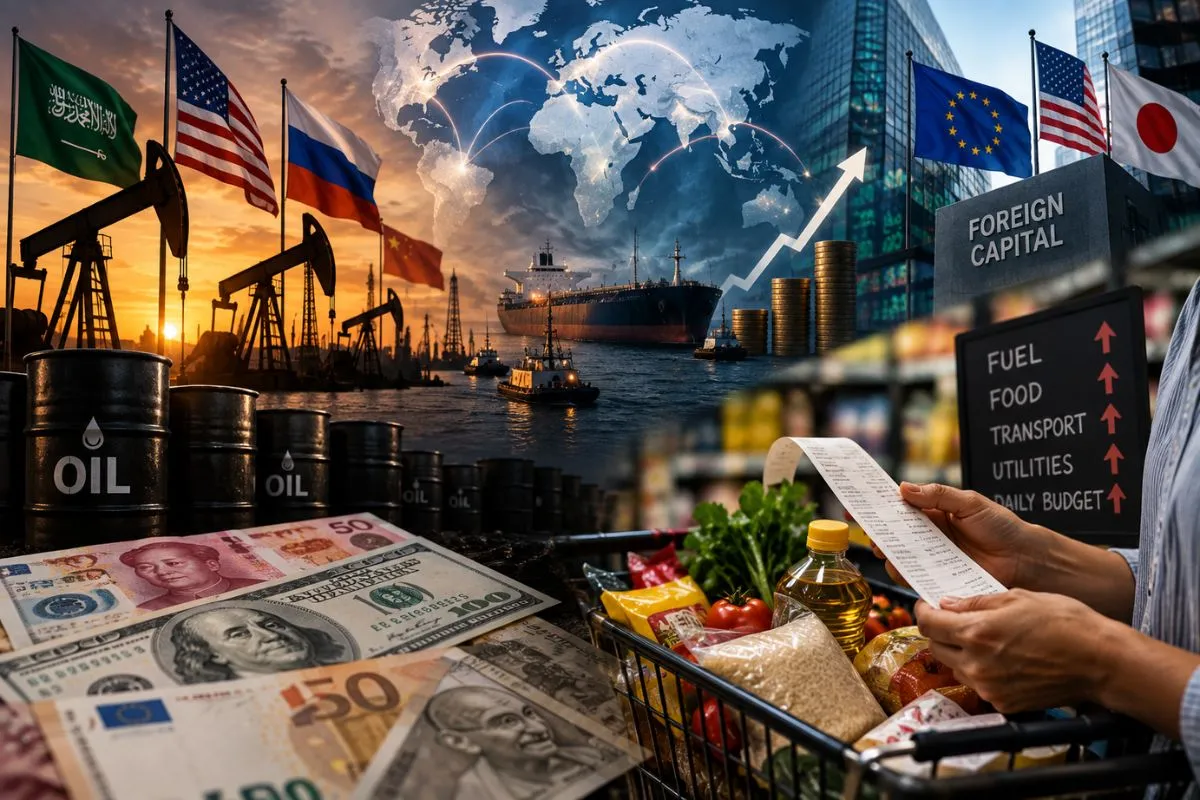
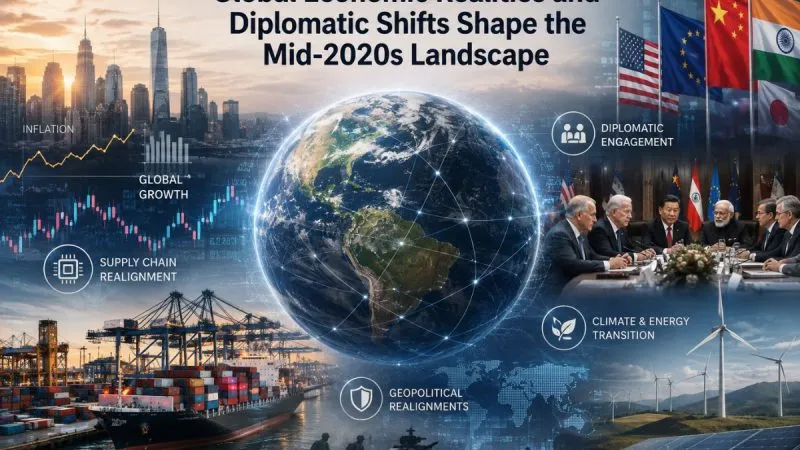
The Ripple Effect: When conflict flared up along West Asian shipping lanes earlier this year, the immediate impact was not just physical, it sparked a global economic sequence that reached local gas stations and stock portfolios.
Foreign Policy as an Economic Shield: Importing nearly 90% of its crude oil, India’s diplomatic strategy of buying from diverse suppliers acts as a critical line of defense against global price spikes.
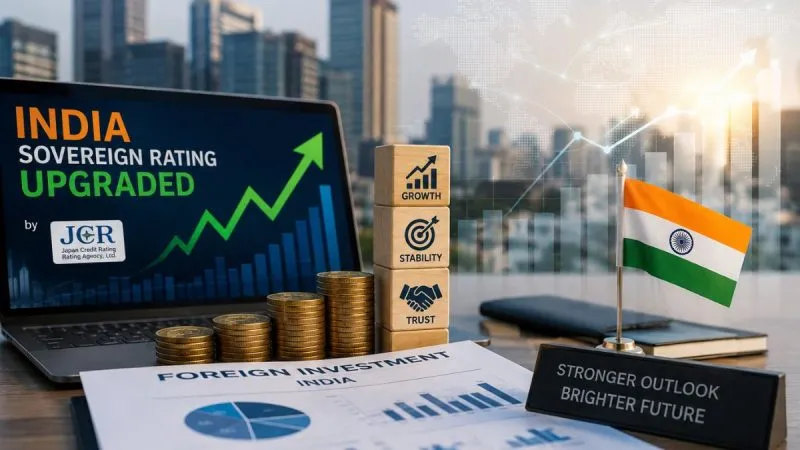
Market Dynamics & FII Flows: High energy prices increase import costs and weaken the Rupee, prompting Foreign Institutional Investors (FIIs) to temporarily pull capital out of emerging equities.
Every time you fill up your vehicle at a petrol pump or check your mutual fund app, you are participating in a vast global economic web. Most people view fuel prices as a domestic policy decision and stock market drops as routine corporate earnings noise. In reality, both are tightly linked through the mechanics of energy economics, international diplomacy, and foreign capital movements.
To understand why a geopolitical flashpoint thousands of miles away can quietly drain foreign investment from domestic stock markets, it helps to break down how these three forces interact under pressure.
The Domino Effect: From Sea Lanes to the Local Gas Pump
Energy is the fundamental input for modern civilization. It powers transport, manufactures fertilizers, heats homes, and keeps supply chains moving. India imports nearly 90% of its crude oil requirement.This means domestic energy costs are continuously linked to the global crude oil benchmark.
Consider a real-world scenario: when maritime tensions flare up in critical chokepoints like the Strait of Hormuz, insurance rates for oil tankers instantly rise. Energy traders panic about potential supply disruptions, and global crude prices surge.
For a heavily import-dependent nation, a $10 jump in crude oil prices is not merely an abstract number on a trading floor screen. It expands the national trade deficit, weakens the domestic currency against the US Dollar, and pushes transportation costs higher across food, logistics, and consumer goods.
  ┌────────────────────────┐
  │ Geopolitical Conflict  │
  └───────────┬────────────┘
              │
              ▼
  ┌────────────────────────┐
  │ Oil Prices & Freight   │
  │ Costs Surge Globally   │
  └───────────┬────────────┘
              │
              ▼
  ┌────────────────────────┐
  │ Import Bill Widens &   │
  │ Rupee Pressures Increase│
  └───────────┬────────────┘
              │
              ▼
  ┌────────────────────────┐
  │ FIIs Shift to Safe     │
  │ Assets (US Treasuries) │
  └────────────────────────┘
Foreign Policy: The Nation’s Economic First Line of Defense
When crude oil prices spike, foreign policy becomes an essential tool for domestic economic management. High energy prices act as an indirect tax on domestic consumers, cutting into household spending power and fueling inflation.
To shield citizens from severe price shocks, diplomats must balance international alliances with practical energy security goals. This explains why India systematically expanded its crude oil sources to over 40 countries while sourcing discounted barrels from non-traditional suppliers.
Strategic flexibility allows energy-importing nations to maintain affordable domestic fuel rates, supporting baseline economic growth even when global supply chains face friction. Without pragmatic energy diplomacy, domestic oil marketing companies would be forced to pass steep global price hikes directly to consumers, dampening economic activity.
The FII Trigger: Why Foreign Capital Flees During Energy Spikes
Understanding the connection between crude prices and Foreign Institutional Investor (FII) sentiment requires looking at risk management from a global fund manager’s perspective.
When institutional managers in New York, London, or Tokyo allocate billions of dollars across emerging markets, they evaluate two main factors: currency stability and corporate profit margins. A sharp rise in crude oil prices disrupts both:
- Currency Depreciation Risk:Higher oil import bills require converting more local currency into US Dollars. This shifts the balance of trade, putting downward pressure on the local currency. If a foreign investor earns a 10% return on domestic equities but the currency falls by 5% against the Dollar, half of their actual gain is wiped out in foreign currency terms.
- Margin Compression:Rising fuel and freight charges increase operating expenses for corporate enterprises. Higher input costs squeeze profit margins for consumer goods, automotive, and manufacturing firms, reducing expected future earnings.
Faced with these dual pressures during periods of geopolitical tension, FIIs temporarily adopt a “risk-off” stance.They withdraw capital from emerging market equities and reallocate funds into safe-haven assets, such as US Treasury bonds or gold.
Earlier this year, when West Asian maritime disruptions pushed oil prices near $100 per barrel, foreign investors recorded massive monthly equity sell-offs in Indian secondary markets.However, strong domestic retail investments through systematic investment plans (SIPs) stepped in to absorb this foreign selling pressure, preventing a deeper market crash.
The Road Ahead: Building Structural Immunity
The interplay between fuel prices, foreign policy, and investor sentiment shows why energy independence is central to economic stability.
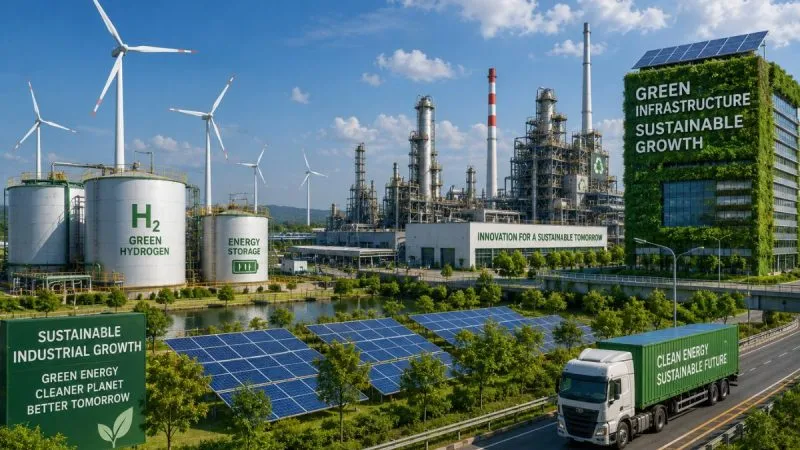
As long as a country relies heavily on imported fossil fuels, its equity markets and currency remain vulnerable to external geopolitical shocks. This is why long-term investments in green hydrogen, expanded battery storage capacities, aggressive solar adoption, and advanced ethanol blending are far more than environmental targets. They serve as vital structural investments designed to insulate national financial markets from global energy crises.
The next time crude prices headline the news, remember: it is not just a story about oil producers and shipping corridors. It is a continuous economic chain reaction that connects global diplomacy, domestic interest rates, foreign market flows, and everyday household purchasing power.
.