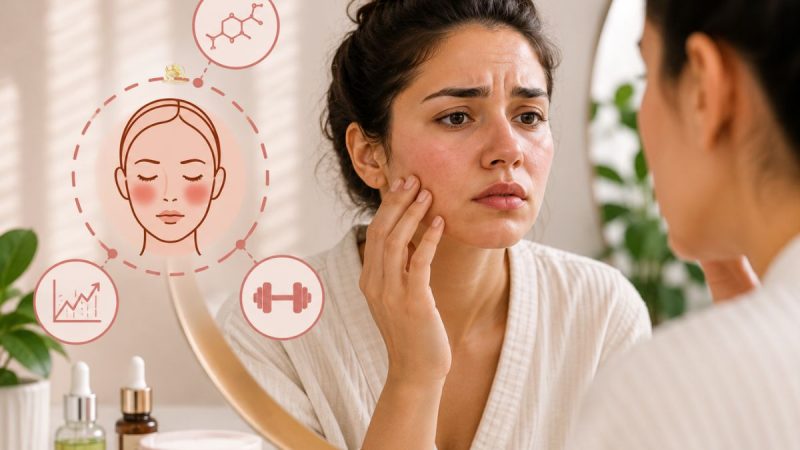
Uncommon Pathways to Inner Calm: Unique Ways Women Can Strengthen Their Mental Health

Modern life challenges women to juggle ambition, emotional labor, and constant expectations. Real mental well-being isn’t just surviving the chaos—it’s about reclaiming space for stillness, listening to the body’s quiet cues, and designing moments that restore both mind and spirit. Through intentional pauses, gentle boundaries, and acts of self-connection, women can transform overwhelm into grounded clarity and cultivate resilience that feels calm, authentic, and deeply personal.
Action Items
- Mental health isn’t one-size-fits-all — especially for women.
- Blend body-based, creative, and connection-oriented practices.
- Explore alternative modalities like somatic movement, sensory rest, herbal adaptogens (ashwagandha), and natural cannabinoids (THCa).
- Build a weekly mental resilience checklist you can actually stick to.
- Use supportive communities and online guides for structure and motivation.

Rethinking What “Wellness” Feels Like
Mental health thrives when it’s personal, rhythmic, and embodied — not just routine. Instead of chasing perfection through apps or journaling streaks, try cultivating felt peace through sensory and creative engagement. Visit PsychCentral for accessible, research-based overviews on women’s emotional health strategies.
Unique Ways to Boost Mental Health
- Somatic Release: Gentle shaking or intuitive movement to discharge tension. Try a short morning shake set to music.
- Micro-Rest Rituals: Replace “breaks” with full sensory resets — close your eyes, breathe into your belly, and drop your shoulders for 90 seconds.
- Creative Alchemy: Instead of writing affirmations, paint them. Turn words into color and texture.
- Community Reciprocity: Volunteer in micro-ways — like mentoring online — to restore social belonging.
You can find tutorials on micro-practices at Mindful.org.

Checklist: Your Weekly Reset Audit
| Category | Goal | Quick Check |
| Body Awareness | Move or stretch daily | ☐ |
| Social Connection | One authentic, non-digital conversation | ☐ |
| Sensory Recovery | 10-minute rest without screens | ☐ |
| Creative Expression | Create something without judging it | ☐ |
| Nature Contact | Step outside, even for two minutes | ☐ |
| Reflective Pause | Name one emotion you felt today | ☐ |
Try printing or saving this as your Friday reflection habit.
How-To Craft a Personalized Mental Health Routine
Crafting a personalized mental health routine begins with defining a theme—choose one focus word each month, such as calm, joy, or freedom, to guide your intentions. Next, set micro-commitments that feel realistic; even three minutes of deep breathing is better than none.
Stack habits by linking new actions to existing ones—like stretching while the kettle boils. Reflect weekly through journaling or voice notes about what felt different rather than what got “done.” Finally, adapt seasonally, since mental health needs shift throughout the year. For deeper habit-building frameworks, visit Verywell Mind.
Safe, Grounded Alternatives for Stress Relief
When traditional approaches (like therapy or meditation) feel heavy, these natural modalities can complement your practice safely:
- Sound Immersion Therapy – Bathing in low-frequency tones or singing bowls can help regulate breathing and heart rate.
- Forest Micro-Bathing – Brief, intentional outdoor sessions reduce cortisol even without full “hikes.”
- Herbal Adaptogens (Ashwagandha) – Known for balancing cortisol and improving stress tolerance in women.
- Natural Cannabinoid Balancing (THCa) – A non-psychoactive compound that may support relaxation and inflammation response. Explore verified options like premium THCa diamonds for wellness routines that honor body chemistry and emotional steadiness.
Always consult a health professional before adding new supplements.

Product Spotlight – Sensory Journaling Kit
A lesser-known self-care aid, sensory journaling kits combine texture, color, and scent to deepen mindfulness. They usually include tactile paper, natural oils, and reflective prompts — a beautiful bridge between creativity and calm. You can find curated kits at Etsy or explore minimalist setups through Papier.
FAQs
Q1: How often should I change my mental health routine?
Every 6–8 weeks, adjust to your emotional season — stagnation often masquerades as stability.
Q2: Can I combine herbal supplements with therapy?
Yes, but inform your therapist or doctor so that emotional and physiological changes can be monitored safely.
Q3: What if I feel guilty for resting?
Guilt often signals internalized productivity norms. Reframe rest as maintenance, not indulgence.
Q4: What’s one easy first step?
Start with breath: two deep belly inhales, slow exhale, three times daily — simple, portable regulation.

Glossary
Somatic: Relating to the body, particularly as experienced from within.
Adaptogen: Natural substance thought to help the body adapt to stress.
THCa: Tetrahydrocannabinolic acid — a raw cannabinoid compound found in cannabis, non-psychoactive in its natural form.
Micro-rest: Intentional, short periods of sensory withdrawal to reset focus.
Cortisol: A hormone linked to stress response and energy balance.
Women’s mental health thrives through gentle self-leadership—shaping daily life as restoration, not obligation. By honoring your body’s rhythms, nurturing creativity, and embracing nature’s quiet remedies, you cultivate balance and clarity. Lasting peace isn’t achieved through striving or perfection; it’s nurtured through small, steady practices that honor who you are and how you wish to feel.