
What Is Misogyny? Meaning, Signs, Causes & How to Deal With It (Complete Guide)

Quick Insight
Misogyny is the dislike, prejudice, or systemic devaluation of women.
It can be obvious (hatred or violence) or subtle (bias, stereotypes, control, and unequal expectations). Misogyny exists due to historical power imbalance, cultural conditioning, and lack of accountability and it often hides in everyday behavior.

How everyday behavior quietly normalizes misogyny without people realizing it.
What Is Misogyny? (Simple Explanation)
Misogyny is not just “hating women.”
It is much broader and more dangerous than that.
At its core, misogyny means:
- Treating women as less valuable than men
- Expecting women to behave in limited roles
- Judging women more harshly for the same actions
- Ignoring or minimizing harm done to women
In simple words:
Misogyny is when being a woman becomes a disadvantage.
It can show up in:
- Homes
- Workplaces
- Relationships
- Media
- Laws and systems
Why Does Misogyny Exist?
Misogyny is not random. It is built over time through systems and conditioning.
1. Historical Power Structures
For centuries:
- Men controlled wealth, law, and decision-making
- Women were dependent and restricted
This created a baseline belief:
Men lead. Women follow.
Even today, traces of that system remain.
2. Social Conditioning
From childhood, society teaches different rules:
Boys are told:
- Be strong
- Be dominant
- Don’t show emotion
Girls are told:
- Be polite
- Adjust
- Stay within limits
This creates unequal expectations that continue into adulthood.
3. Fear of Losing Control
As women gain:
- Independence
- Voice
- Financial power
Some men feel:
- Threatened
- Replaced
- Less in control
Misogyny often grows when traditional power is challenged.
4. Cultural Reinforcement
Misogyny is normalized through:
- Movies romanticizing control
- Jokes degrading women
- Social media mocking feminism
Over time, harmful ideas start feeling “normal.”
5. Lack of Accountability
When misogynistic behavior:
- Goes unchallenged
- Is laughed off
- Is ignored
It becomes stronger.
Silence feeds the system.
Types of Misogyny

A deeper breakdown of hidden red flags that often go unnoticed.
1. Overt Misogyny (Easy to Spot)
- Open insults toward women
- Supporting violence or control
- Denying rights
2. Subtle Misogyny (Most Common)
- Interrupting women frequently
- Doubting women’s competence
- Judging appearance more than ability
- Expecting emotional labor
3. Internalized Misogyny
Sometimes women themselves:
- Judge other women harshly
- Support limiting beliefs
This happens due to conditioning—not weakness.
Signs of a Misogynist (Especially the “Hidden” Ones)
Not all misogynists are obvious. Many appear “normal” or even “nice.”
1. Selective Respect
They respect:
- “Good” women (quiet, agreeable)
They disrespect:
- Independent, outspoken women
2. Conditional Support for Women
They say:
“I support women… but not like this.”
There is always a limit.
3. Subtle Victim Blaming
- “Why was she there?”
- “She should have been careful”
Responsibility shifts away from the perpetrator.
4. Discomfort With Female Authority
- Questioning women leaders more
- Undermining decisions
- Feeling threatened by success
5. “Just Jokes”
Repeated jokes about:
- Women being emotional
- Women being inferior
Humor often reveals belief.
6. Control Disguised as Care
- “I’m just protecting you”
- “I know what’s best for you”
But:
- Freedom gets restricted
7. Silence Around Misogyny
They:
- Don’t challenge sexism
- Laugh along
- Stay neutral
Neutrality often supports the problem.
Why Subtle Misogyny Is More Dangerous
Because:
- It’s harder to prove
- It feels “normal”
- It slowly shapes behavior
You don’t notice it immediately but it affects everything.
How to Deal With Misogyny (Practical Guide)
This is where most people struggle.
You cannot control others but you can control your response.
1. Trust Your Instincts
If something feels wrong:
- It probably is
Don’t dismiss patterns.
2. Set Clear Boundaries
Simple and direct:
- “That’s not okay.”
- “Don’t speak to me like that.”
- “I disagree.”
No need for long explanations.
3. Don’t Over-Explain Yourself
Misogynistic people often:
- Twist logic
- Make you doubt yourself
You don’t need to justify basic respect.
4. Call It Out (When Safe)
Choose your moments:
- Stay calm
- Be direct
- Don’t engage emotionally
5. Walk Away When Needed
Not every battle is worth fighting.
Protect:
- Your peace
- Your energy
- Your mental health
6. Build a Strong Support System
Surround yourself with people who:
- Respect you
- Listen to you
- Don’t minimize your experience
7. Stop Seeking Approval
Misogyny thrives when women:
- Seek validation
- Try to please
Break that pattern.
How Society Can Reduce Misogyny
This is not just a personal issue.
Real change requires:
- Education about equality
- Stronger laws and enforcement
- Responsible media representation
- Men actively speaking up
Because:
Silence is not neutral—it is participation.
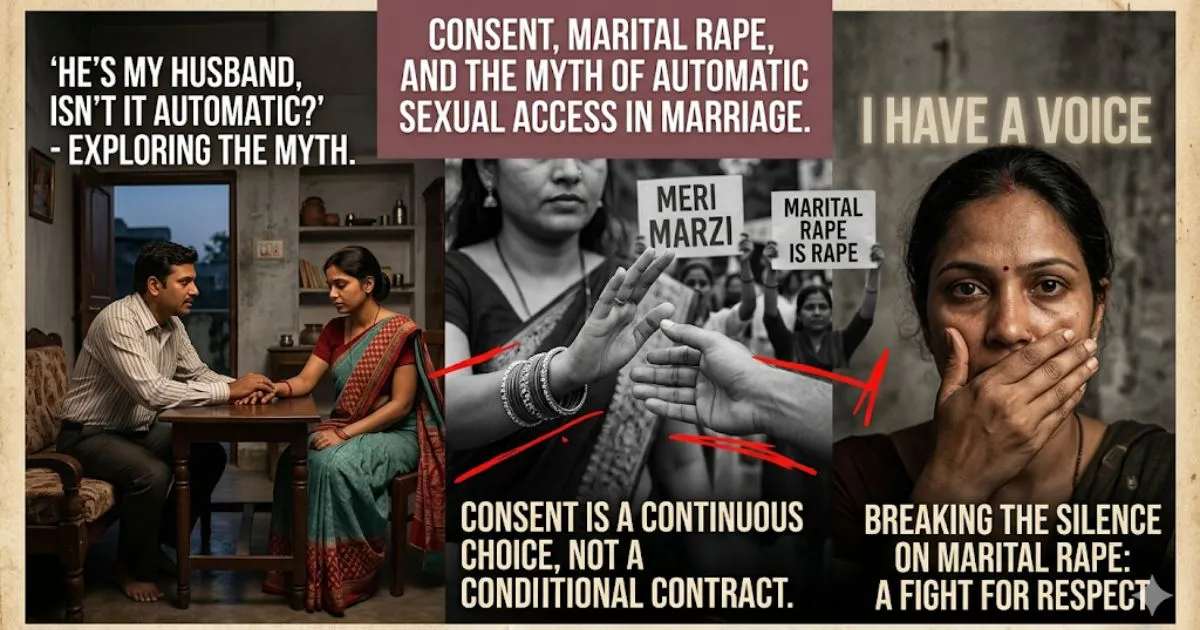
Misogyny in Relationships: When Love Starts to Feel Like ControlHow control, manipulation, and power imbalance hide behind “care.”
Common Myths About Misogyny
❌ “Misogyny Means Hating Women”
✔ Truth: It includes bias, control, and inequality—not just hatred.
❌ “Only Men Are Misogynists”
✔ Truth: Women can internalize and repeat misogyny too.
❌ “It’s Not That Common”
✔ Truth: It is deeply normalized and often invisible.
❌ “Feminism Is the Problem”
✔ Truth: Feminism challenges inequality—misogyny resists it.
Final Thoughts
Misogyny is not always loud.
It doesn’t always look like violence.
Sometimes it looks like:
- A joke
- A comment
- A pattern
- A silence
And that’s exactly why it survives.
It is not sustained by extreme hatred alone but by everyday acceptance.
FAQs
What is misogyny in simple words?
Misogyny is the dislike, prejudice, or unfair treatment of women based on their gender.
What causes misogyny?
It is caused by historical power imbalance, social conditioning, cultural norms, and lack of accountability.
How do you identify a misogynist?
Look for patterns like controlling behavior, subtle disrespect, victim-blaming, and discomfort with independent women.
Can misogyny be subtle?
Yes, most misogyny today is subtle and normalized in everyday behavior.
How can women deal with misogyny?
By setting boundaries, trusting instincts, building support systems, and not tolerating disrespect.
Suggested Reads
Misogyny doesn’t need loud voices to survive.
It only needs enough people to stay comfortable with it.
And that is where change begins—
the moment you stop accepting what was always called “normal.”








)