Vitamin C Serum for Indian Skin: The Complete, Honest Guide
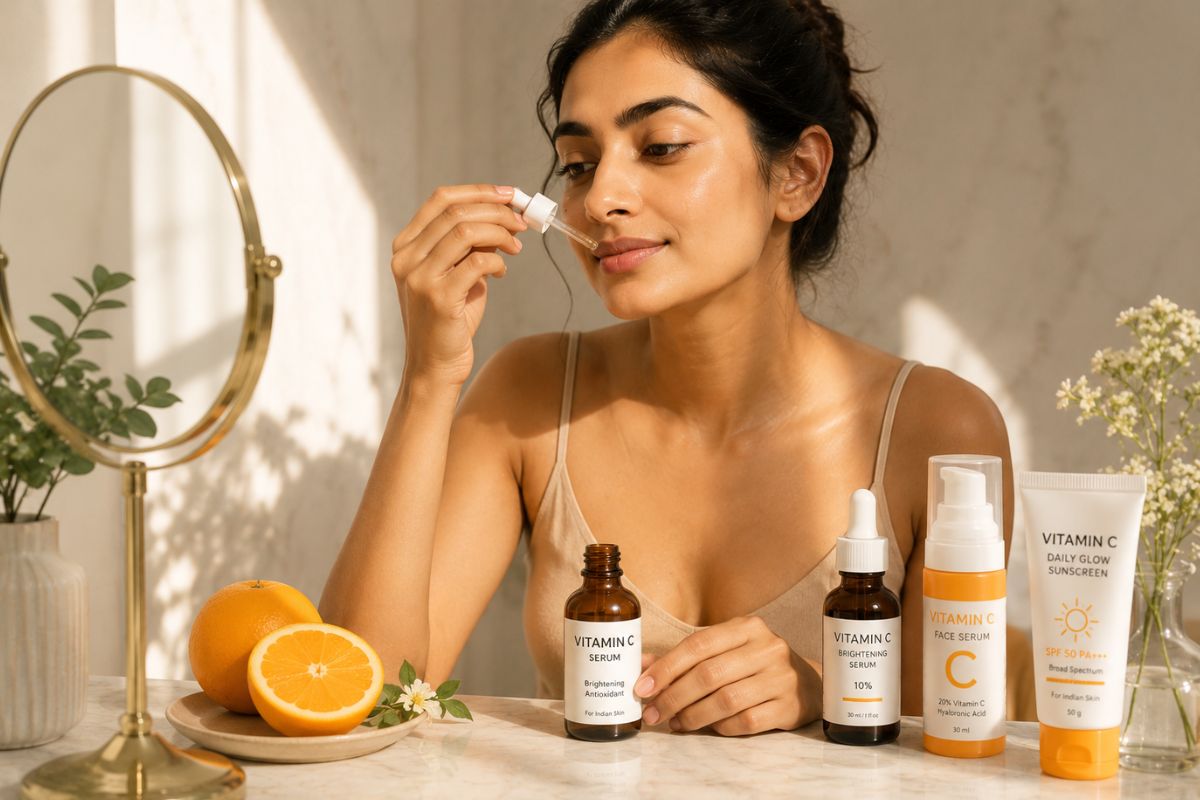
Vitamin C is the ingredient everyone owns and almost nobody uses correctly. It sits in medicine cabinets across the country in various shades of yellow, orange, and increasingly brown, because most people never learn the handful of rules that determine whether a vitamin C serum actually works or quietly oxidizes into an expensive bottle of nothing.
This guide sits alongside our other actives deep dives, the Complete Guide to Retinol for Indian Skin and the Honest Guide to Sunscreen in India, and completes what is genuinely the core trio of evidence backed actives worth building a routine around. Here is what vitamin C actually does, which form of it suits Indian skin and climate, and how to stop your serum from turning brown in the bottle before you have even finished it.
What Vitamin C Actually Does
Vitamin C, chemically known as ascorbic acid in its purest form, works as a potent antioxidant, neutralizing the free radicals generated by UV exposure, pollution, and everyday cellular processes before they can damage collagen and accelerate visible aging. Alongside that antioxidant role, it is also a cofactor required for collagen synthesis, meaning skin genuinely cannot produce new collagen efficiently without adequate vitamin C availability, both from diet and, for an added topical boost, from serum applied directly to the skin. Our piece on collagen boosting foods already covers vitamin C’s dietary role in this process in detail, and the topical and dietary approaches work best as a pair rather than a substitute for each other.
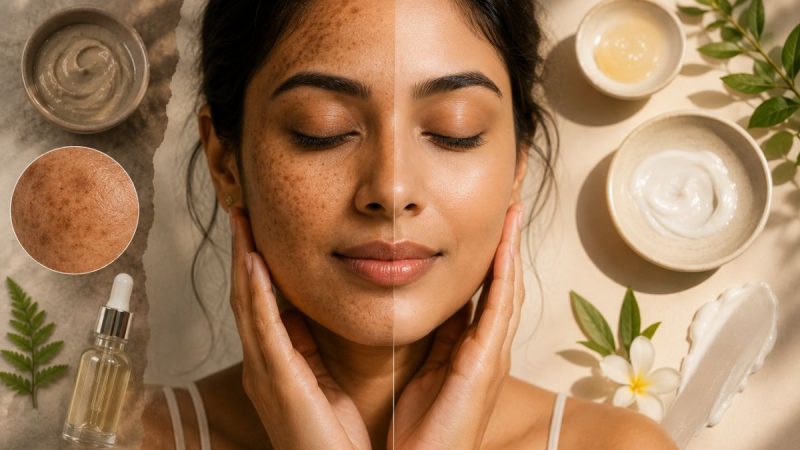
Beyond collagen support, vitamin C also inhibits tyrosinase, the enzyme responsible for melanin production, which is why it shows up so consistently in brightening and pigmentation focused routines, a topic covered in depth in our melasma and pigmentation guide.
Why India Makes Vitamin C More Necessary, Not Less
Vitamin C’s antioxidant role becomes more valuable, not less, in an environment with heavier pollution exposure and higher year round UV levels, both of which describe most of urban India for large parts of the year. Free radical damage from pollution and UV is cumulative, and vitamin C’s job is to intercept a meaningful share of that damage before it reaches collagen and DNA. This makes it one of the few actives that genuinely earns a permanent place in a routine built for Indian conditions specifically, rather than one borrowed unchanged from a cooler, less polluted climate.
The Confusing World of Vitamin C Forms
This is where most of the genuine confusion in vitamin C shopping comes from, since the ingredient exists in several different chemical forms with meaningfully different behavior.
L-Ascorbic Acid (LAA) is the purest, most researched, and most potent form, with the strongest evidence behind its collagen and brightening effects. It is also the least stable, prone to oxidizing (turning yellow, then brown, and losing effectiveness) when exposed to light, air, or heat, and it is formulated at a naturally low pH, which can cause stinging or irritation on sensitive skin.
Sodium Ascorbyl Phosphate (SAP) is a more stable, gentler derivative that converts to active ascorbic acid once absorbed into the skin. It is considerably better tolerated by sensitive and acne prone skin, with the tradeoff of somewhat less potent, slower results than pure LAA.
Magnesium Ascorbyl Phosphate (MAP) behaves similarly to SAP: gentler, water soluble, and more stable, with a slightly different sensitivity and hydration profile that suits drier skin types well.
Ascorbyl Glucoside and Tetrahexyldecyl Ascorbate (THD Ascorbate) are newer generation derivatives designed specifically for stability and oil solubility. THD Ascorbate in particular has gained popularity in 2026 formulations for penetrating the skin barrier more effectively while remaining considerably more stable in the bottle than pure LAA.
For Indian climates specifically, where heat and humidity accelerate the degradation of unstable formulas, a well stabilized derivative or a properly packaged LAA serum matters more than it might in a cooler, drier market where a straightforward LAA serum degrades more slowly on the shelf.
Matching the Form to Your Skin
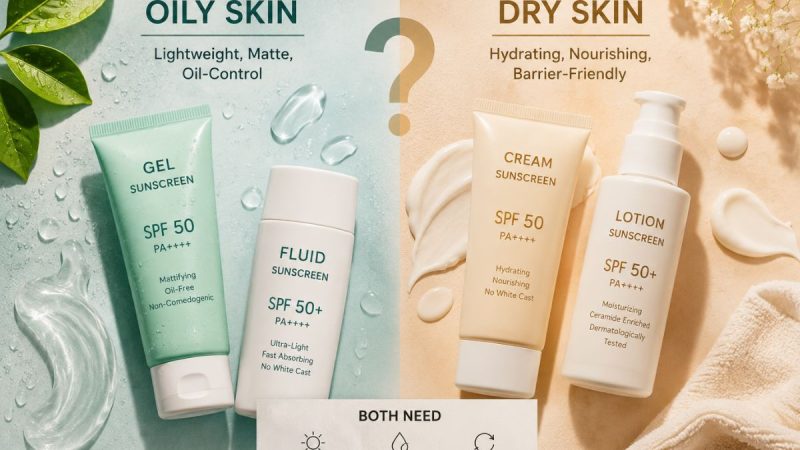
Sensitive or reactive skin generally does better starting with SAP or MAP, since these forms deliver genuine benefit with a much lower irritation risk than pure LAA at higher concentrations.
Oily and acne prone skin often tolerates THD Ascorbate or a well formulated LAA serum reasonably well, and the antioxidant and mild brightening benefits pair usefully with the oil regulating effects of niacinamide, covered in our review of The Ordinary’s Niacinamide serum, a product frequently layered alongside vitamin C in Indian routines.
Normal to dry skin generally tolerates pure LAA well, provided the formula is properly stabilized and stored correctly, and stands to gain the most from LAA’s stronger collagen stimulating effect.
Pigmentation focused routines benefit most from either pure LAA at 10 to 15 percent or a well formulated derivative, paired consistently with sunscreen, since vitamin C’s melanin inhibiting effect works far better as prevention than as correction of already deeply set pigmentation.
The Concentration Question
More is not automatically better with vitamin C. Research generally shows meaningful benefit plateauing somewhere between 10 and 20 percent concentration for LAA, with concentrations above that range offering diminishing additional benefit while meaningfully increasing irritation risk. A 20 percent LAA serum is not twice as effective as a 10 percent one. For most people, particularly beginners or those with sensitive skin, starting around 10 percent and assessing tolerance before considering a stronger formula is the more sensible approach than reaching for the highest number on the shelf.
Why Your Vitamin C Serum Keeps Turning Brown
This is the single most common vitamin C complaint, and it comes down to oxidation, a chemical reaction triggered by exposure to light, air, and heat that degrades ascorbic acid and turns the serum progressively yellow, then orange, then brown. A few practical habits prevent most of this.
Buy serums in opaque, airless pump packaging rather than clear glass droppers. Light exposure is one of the biggest accelerants of oxidation, and a clear bottle sitting on a bathroom shelf is actively working against the product’s stability every single day.
Store your serum away from direct sunlight and heat, ideally in a cool, dark drawer rather than a windowsill or a hot bathroom, both common storage spots in Indian homes that accelerate oxidation considerably faster than in cooler climates.
Consider refrigeration for pure LAA formulas if you live somewhere particularly hot, since cooler storage genuinely slows the oxidation process, though this is more of a nice to have than a strict requirement for well packaged, stabilized formulas.
Use it up within the timeframe stated on the packaging, typically three to six months once opened for LAA formulas, rather than letting a large bottle sit half used for a year. If your serum has turned a noticeably deep yellow, orange, or brown from its original pale or colorless state, it has substantially oxidized and lost much of its effectiveness, even if it still smells and feels the same on application.
When and How to Actually Apply It
Vitamin C belongs in the morning, applied after cleansing and before moisturizer and sunscreen, since its antioxidant effect works specifically by neutralizing the free radical damage that UV and pollution exposure generate throughout the day. Applying it at night skips the environment it is actually designed to defend against, which is why our own 26 Beauty Rules piece flagged this specifically: vitamin C belongs in the morning, working alongside SPF, not instead of it.
Give the serum a minute or two to absorb before layering sunscreen on top, and expect a very slight tingling on first use with LAA formulas specifically, which should fade within a few minutes and lessen with continued use. Persistent stinging, redness, or discomfort beyond that initial adjustment period is a sign to switch to a gentler derivative rather than push through.
What Not to Mix With Vitamin C
Pure LAA vitamin C works at a naturally low pH, and layering it directly with ingredients that require a different pH range to function, most notably niacinamide in some older formulations, was historically flagged as potentially reducing the effectiveness of both. Most modern, well formulated products have resolved this through better stabilization, and current dermatological consensus is that vitamin C and niacinamide can typically be used together without significant issues in most contemporary formulas. If you notice flushing, stinging, or an unusual reaction when combining the two, separating them into morning and evening routines is a simple, low risk fix regardless of what the current research consensus says.
Combining vitamin C with retinol in the same application is generally unnecessary rather than dangerous, since the two work optimally in different conditions, vitamin C in daylight alongside antioxidant defense, retinol at night supporting cell turnover away from UV exposure. Keeping them in separate parts of your routine, as outlined in our retinol guide, remains the simpler and more effective approach than trying to layer both at once.
Avoid combining vitamin C with strong exfoliating acids in the same application if your skin is at all sensitive, since stacking two actives that can each independently cause mild irritation increases the odds of an uncomfortable reaction, particularly for anyone newer to actives.
A Realistic Vitamin C Routine
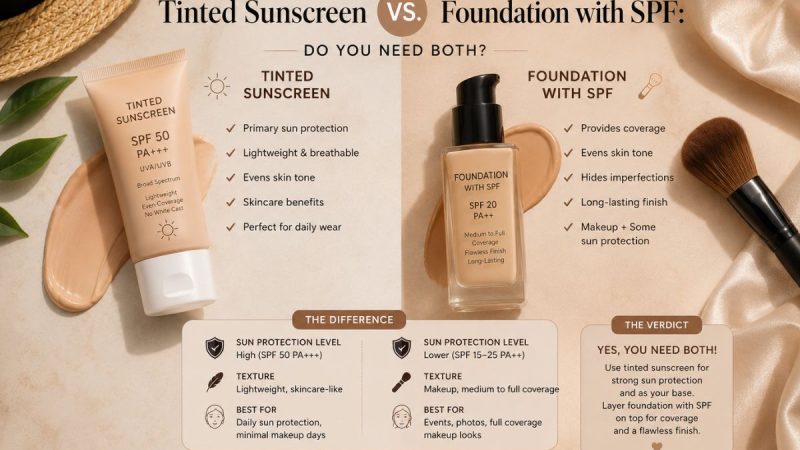
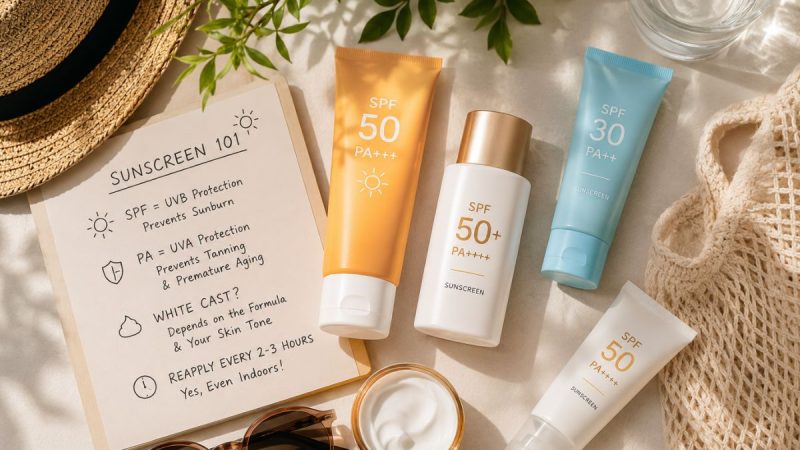
Morning: Gentle cleanser, vitamin C serum (allow it to fully absorb), moisturizer, then sunscreen with SPF 30 to 50 and PA+++ or higher, following everything outlined in our pillar sunscreen guide.
Give this combination eight to twelve weeks of consistent daily use before judging results, since vitamin C’s brightening and collagen supporting effects, like most genuinely effective actives, build gradually rather than overnight.
Common Vitamin C Myths, Retired
“Higher concentration always means better results.” As covered above, benefits plateau well before the highest concentrations on the market, while irritation risk continues climbing.
“Vitamin C replaces the need for sunscreen.” Vitamin C reduces some free radical damage but does not filter UV rays the way sunscreen does. The two work together, with vitamin C never functioning as a substitute for proper SPF.
“All vitamin C serums are essentially the same, so buy whichever is cheapest.” Form, concentration, packaging, and stabilization all meaningfully affect how well a given serum actually performs and how long it stays effective once opened, and the cheapest option is not automatically the same product in different packaging.
“A serum that hasn’t changed color at all after months means it has no real vitamin C in it.” This is not necessarily true, since well stabilized derivatives and properly packaged formulas are specifically designed to resist the color change that pure, less stable LAA is prone to. Color stability reflects good formulation and packaging, not necessarily absence of the active ingredient.
Bringing It Together
Vitamin C is not the flashiest ingredient in skincare, and it will never generate the kind of viral attention that a new exosome serum or a caffeine sculpting mask does. What it has instead is decades of consistent evidence, genuine antioxidant defense against exactly the kind of pollution and UV stress Indian skin deals with daily, and a real, if gradual, contribution to collagen support and brightening. Pair it correctly with sunscreen every morning, store it properly, choose the right form for your skin type, and it earns its place as one of the three ingredients, alongside retinol at night and sunscreen every single day, that most dermatologists agree are worth building an entire routine around.
Frequently Asked Questions
Can I use vitamin C every day? Yes, vitamin C is generally well tolerated for daily morning use once your skin has adjusted, unlike retinol which typically requires a more gradual introduction schedule.
Does vitamin C help with dark spots and pigmentation? Yes, though gradually. Vitamin C inhibits melanin production and works best as part of a broader routine alongside sunscreen and, where needed, other targeted actives covered in our pigmentation guide.
Can I use vitamin C if I have sensitive skin? Yes, by choosing a gentler derivative like sodium ascorbyl phosphate or magnesium ascorbyl phosphate rather than a high concentration pure L-ascorbic acid formula.
Why did my vitamin C serum turn orange? This indicates oxidation from light, air, or heat exposure, which reduces the serum’s effectiveness. Store future bottles in opaque, airless packaging away from direct light and heat.
Should I use vitamin C in the morning or at night? Morning, always, since its main role is defending skin against the UV and pollution exposure of the day ahead, working alongside sunscreen rather than replacing it.
This article is for informational and educational purposes only and does not constitute medical or dermatological advice. Consult a qualified dermatologist for persistent pigmentation, sensitivity, or skin concerns.