Hartalika Teej and Badi Teej 2026: Dates, Rituals, Fasting and Traditions
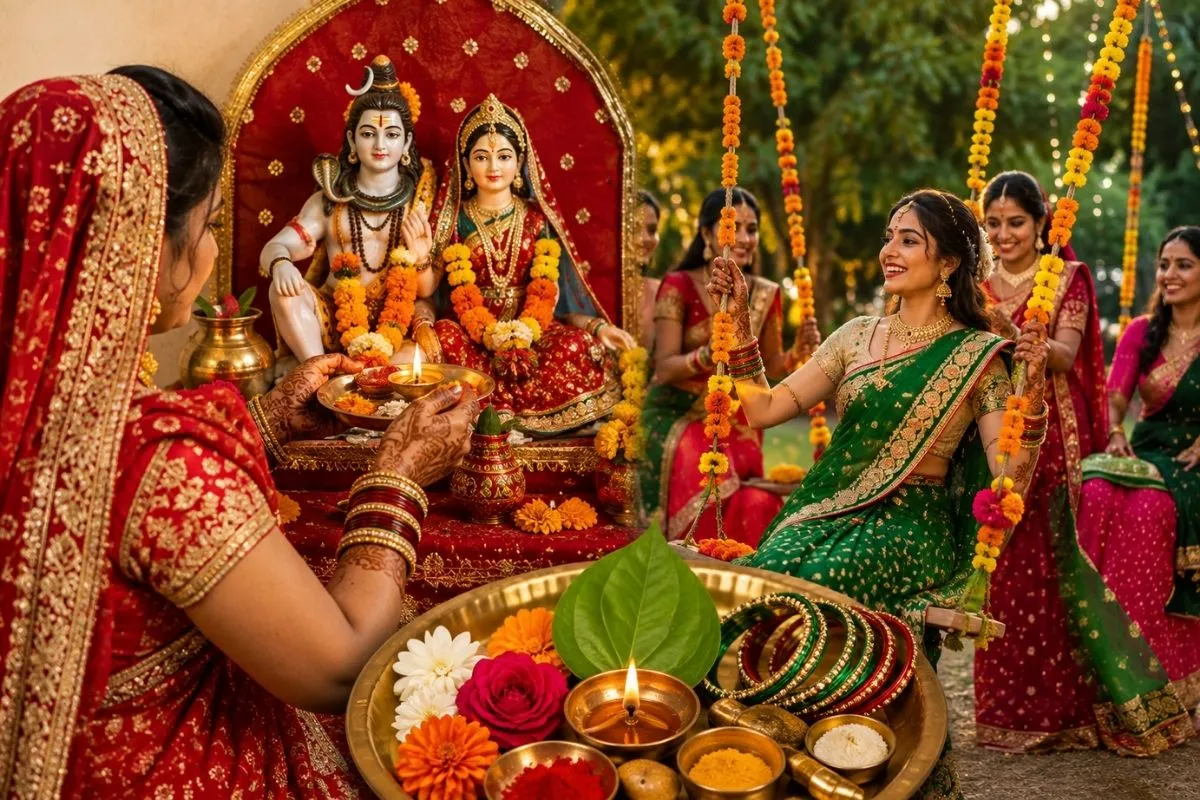
There is a certain hush that settles over North Indian households as Bhadrapada approaches. Swings appear beneath neem and mango trees, bangles are polished, green bangles and green sarees are laid out with care, and mothers begin teaching daughters the songs their own mothers once taught them. This is the season of Teej, and among its many observances, two hold a place of particular devotion in the hearts of Hindu women: Hartalika Teej and Badi Teej, also known as Kajari Teej.
This guide walks through both festivals with the reverence they deserve, covering their dates for 2026, their sacred stories, the rituals observed, the food prepared, and the customs that continue to bind generations of women together in shared faith.
Understanding the Two Festivals
Before the calendar and rituals, it helps to understand how these two Teej festivals relate to one another, since they are often spoken of in the same breath yet carry distinct identities.
Badi Teej, meaning the greater or bigger Teej, is also called Kajari Teej or Kajali Teej, and in some regions Satudi Teej. It falls on Krishna Tritiya, the third day of the waning moon, in the month of Bhadrapada. It is called Badi Teej in contrast to Hariyali Teej, which is known as Chhoti Teej, the smaller Teej observed earlier in the monsoon season.
Hartalika Teej arrives roughly two weeks later, on Shukla Tritiya, the third day of the waxing moon, in the same Bhadrapada month. It is widely regarded as the most austere of all the Teej observances, marked by a complete nirjala vrat, a fast kept without even a sip of water, undertaken in honour of Goddess Parvati’s devotion to Lord Shiva.
Together with Hariyali Teej, these two festivals form a sacred trio observed by women across Rajasthan, Uttar Pradesh, Bihar, Madhya Pradesh, Jharkhand and beyond, each one a step deeper into faith, patience and quiet strength.
Hartalika Teej and Badi Teej 2026 Dates
Badi Teej (Kajari Teej) 2026falls onMonday, 31 August 2026, observed during Bhadrapada Krishna Tritiya.
Hartalika Teej 2026falls onMonday, 14 September 2026, observed during Bhadrapada Shukla Tritiya, with the auspicious morning puja muhurat generally falling in the early hours after sunrise. Many households also perform the puja during Pradosh Kaal, the twilight hour, if the morning window is not possible.
Since exact tithi timings can shift slightly by region, it is always worth consulting your family’s local panchang to confirm the precise muhurat for your city.
The Sacred Story Behind Hartalika Teej
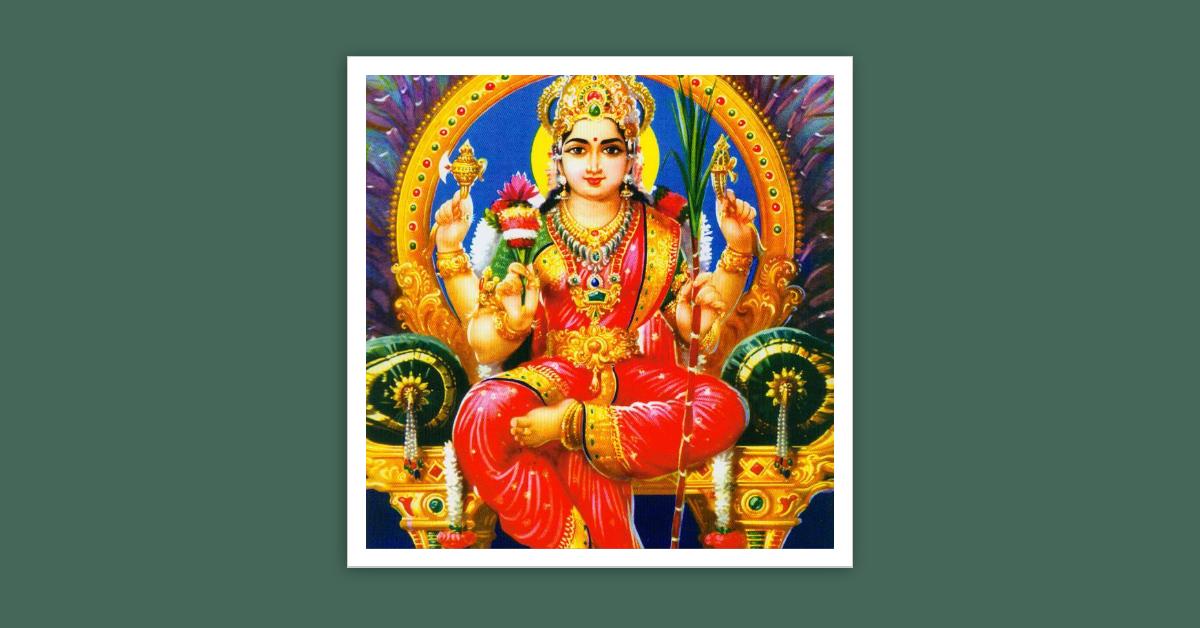
The name Hartalika comes from two Sanskrit words: harat, meaning taken away, and aalika, meaning female friend. The story tells of Goddess Parvati‘s close companions, who took her deep into the forest so that she could pursue her penance undisturbed, away from her father’s wish to marry her to a suitor not of her choosing. In that solitude, Parvati undertook years of unwavering tapasya, fasting and meditating with single-minded devotion, determined to be united with none other than Lord Shiva.
Moved by the depth of her penance, Shiva accepted her as his eternal consort. Hartalika Teej honours this devotion, this refusal to compromise on what the heart holds sacred, and this is why the festival carries such weight for married women, who fast for their husband’s long life and wellbeing, and for unmarried women, who observe it praying for a life partner of equal devotion and character.
In parts of Karnataka, Andhra Pradesh and Tamil Nadu, this same observance is honoured as Gowri Habba, where women perform the Swarna Gowri Vratha in reverence to Goddess Gowri.
The Story Behind Badi Teej
Badi Teej, too, is rooted in the same spirit of devotion, celebrated in honour of Goddess Parvati and her union with Lord Shiva, though its rituals carry their own distinct character. The festival is also associated with Goddess Neemdi, known in some regions as Neemdi Mata, whose blessings are sought for marital harmony. Where Hariyali Teej is festive and light in mood, and Hartalika Teej is solemn and deeply austere, Badi Teej sits meaningfully between the two, a day of stricter fasting than Hariyali Teej, yet centred around the gentler, night anchored ritual of moon worship rather than a full day and night vigil.
Rituals and Puja Vidhi
For Hartalika Teej, the day traditionally begins before sunrise. Women bathe, dress in fine new clothes, often in shades of green or red, and adorn themselves with bangles, sindoor and mehandi. Idols of Shiva and Parvati, along with Lord Ganesha, are lovingly shaped from clay or river sand, then placed upon a decorated platform. The puja is performed with flowers, bilva leaves, fruits, incense and a ghee lamp, and the Hartalika Vrat Katha, the sacred story of Parvati’s penance, is read aloud or listened to with devotion. Many women observe an all night vigil, singing bhajans in the glow of the lamp, before breaking their fast the following morning after the puja concludes.
For Badi Teej, the day is welcomed with similar warmth. Women dress in their finest attire, gather to sing traditional Kajari folk songs accompanied by the rhythm of drums, and decorate their homes and courtyards with beautifully adorned swings. Worship of the cow holds special significance on this day. Small chapatis made of wheat flour, sweetened with jaggery and enriched with ghee, are offered to cows before the family partakes of the meal. The fast is typically concluded upon sighting the moon in the evening, making moonrise a quietly anticipated moment throughout the day.
Fasting Rules
Hartalika Teej is observed as a nirjala vrat, the strictest form of fasting in the Hindu tradition, in which neither food nor water is taken for a full day and night. This fast is regarded as carrying immense spiritual merit, believed to be equal in devotion to many ordinary fasts combined, and is undertaken with careful preparation, adequate rest and hydration in the days beforehand, as reverence for the body is as much a part of the observance as reverence for the divine.
Badi Teej also calls for a fast, though its form varies somewhat by family and region, with some women observing a partial fast that permits fruits or a single sattvik meal, and others choosing the fuller nirjala tradition out of personal devotion. As with all vrats, the practice is ultimately guided by one’s own health, family customs and the counsel of elders.
Food and Vrat Cuisine
Food during these festivals carries its own quiet symbolism, prepared with intention rather than convenience.
On Badi Teej, dishes made from sattu, a nourishing mixture of roasted gram, wheat and barley flour, take pride of place on the table. Ghevar, a sweet, syrup soaked disc shaped delicacy, is closely associated with the wider Teej season and often shared among family and friends as a festive treat. Simple, wholesome preparations using seasonal monsoon produce are common, reflecting the agricultural rhythms the festival has always been tied to.
On Hartalika Teej, since the fast itself is nirjala, no food or water is consumed until the following morning. Once the vrat concludes, the breaking of the fast, known as paran, is done gently, often beginning with a small sip of water or a light, easily digestible meal before returning to regular food through the day. Families frequently prepare festive sweets and a proper thali to mark the end of the observance, a meal made all the more meaningful by the devotion that preceded it.
Customs and Traditions
Certain customs bring these festivals to life beyond the puja room itself.
Mehandi holds a cherished place in the Teej season, with intricate henna designs adorning the hands of women in the days leading up to the festival, a tradition believed to bring good fortune and deepen the bond between a wife and her husband. Swings, often tied to the branches of trees or set up within courtyards, are a defining image of Teej, with women gathering to swing together while singing folk songs that have been passed down for generations. Green, considered an auspicious colour of fertility, prosperity and new beginnings, is worn widely during this season, particularly bangles and sarees in verdant shades.
Married women are traditionally gifted a Sindhara, a set of clothes, bangles, sweets and gifts sent by the parental home, a gesture that honours the bond between a daughter and her natal family even after marriage. Community gatherings, temple visits and processions, particularly in Rajasthan and Uttar Pradesh, add a further layer of shared celebration, transforming individual devotion into collective joy.
Regional Variations Worth Honouring
While Rajasthan, Uttar Pradesh, Bihar, Jharkhand and Madhya Pradesh observe these festivals with particular grandeur, complete with fairs, processions and elaborate community celebrations, the same spirit travels far beyond these regions. In Nepal, Hartalika Teej, known there as Teej, is celebrated with equal devotion and considerable festivity. In parts of South India, the observance takes the form of Gowri Habba, a reminder that the heart of this tradition, devotion, patience and faith in one’s own path, resonates across language and geography alike.
A Gentle Checklist for the Days Ahead
- Confirm your local panchang for the precise tithi timing and puja muhurat in your city
- Prepare mehandi, bangles and festive attire a few days in advance
- Arrange puja samagri, including clay or sand for the idols, flowers, bilva leaves, incense and a ghee lamp
- Hydrate and eat sensibly in the days before a nirjala fast, and consult a doctor if you have any health concerns
- Plan the vrat katha reading or recitation, either individually or with family and friends
- Prepare the ingredients for sattu based dishes or ghevar ahead of Badi Teej
Closing Thoughts
Hartalika Teej and Badi Teej are, at their heart, festivals of devotion that ask very little of the world and a great deal of the self, patience through hunger, faith through discomfort, and quiet strength sustained by love. Whatever form your own observance takes, whether a full nirjala vrat or a gentler version shaped by your own circumstances, may these festivals be met with the same reverence they have carried through generations.
Frequently Asked Questions
When is Hartalika Teej in 2026?Hartalika Teej 2026 falls on Monday, 14 September 2026, observed during Bhadrapada Shukla Tritiya.
When is Badi Teej (Kajari Teej) in 2026?Badi Teej 2026 falls on Monday, 31 August 2026, observed during Bhadrapada Krishna Tritiya.
What is the difference between Badi Teej and Hartalika Teej?Badi Teej, also called Kajari Teej, is observed on the dark fortnight of Bhadrapada and involves a comparatively gentler fast concluding with moon worship. Hartalika Teej falls around two weeks later, on the bright fortnight, and is the strictest of the Teej observances, kept as a full nirjala fast without food or water.
Can unmarried women observe these fasts?Yes. Unmarried women traditionally observe both fasts as well, praying for a devoted and compatible life partner, following the example of Goddess Parvati’s own devotion.
What should be eaten before starting a nirjala fast?It is advisable to eat a light, easily digestible, hydrating meal the evening before, and to avoid heavy, oily or excessively salty food. Anyone with health concerns should consult a doctor before undertaking a full nirjala vrat.
What is Sindhara in the context of Teej?Sindhara refers to a traditional gift set, including clothes, bangles, sweets and other items, sent by a woman’s parental home during the Teej season, symbolising continued love and blessings from her natal family.
Is Hartalika Teej the same as Gowri Habba?They share the same essential devotion and timing. In Karnataka, Andhra Pradesh and Tamil Nadu, this observance is honoured as Gowri Habba, centred on the Swarna Gowri Vratha in reverence to Goddess Gowri.
What sweets are traditionally made during the Teej season?Ghevar is closely associated with the wider Teej season, alongside sattu based preparations that are especially popular during Badi Teej.