5 Least-Known Indian Women Entrepreneurs Revolutionizing Rural Agriculture with Multi-Crore Empires
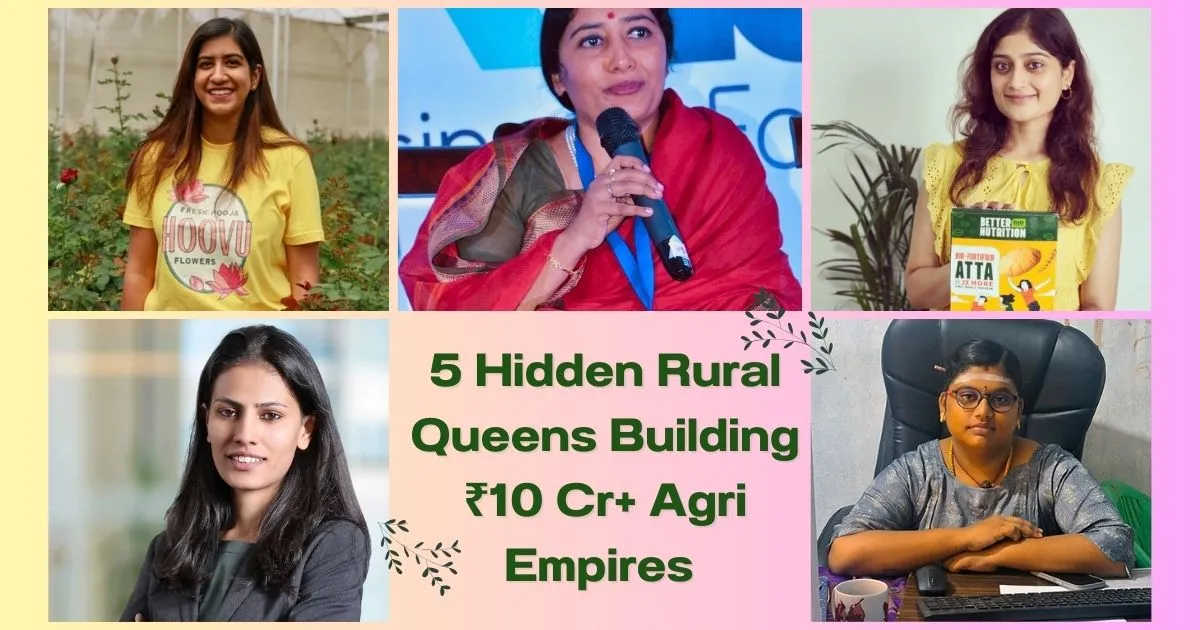
In the vast expanse of India’s rural landscapes, where agriculture remains the backbone of the economy, a quiet revolution is underway. Women entrepreneurs, often operating in the shadows of urban success stories, are breaking barriers, harnessing local resources, and building businesses that not only generate impressive revenues but also uplift entire communities. These women face formidable challenges: limited access to finance, gender biases, infrastructural hurdles, and the unpredictability of nature. Yet, their resilience and innovation have propelled them to achieve turnovers exceeding 10 crores, all while staying rooted in rural and agricultural domains.
Drawing inspiration from platforms like Shark Tank India, which has spotlighted several such ventures, this article profiles five least-known Indian women entrepreneurs in this space. Their stories are not just about financial success but about transforming lives, promoting sustainability, and redefining rural entrepreneurship.
These entrepreneurs operate in diverse sub-sectors from pulses and value-added farming to honey processing, floral supply chains, biofortified staples, and homemade preserves. Each has scaled their operations to over 10 crores in annual turnover, often starting with minimal capital and overcoming systemic obstacles. Their journeys highlight the potential of rural India when empowered by visionary women, contributing to the nation’s goal of self-reliance (Atmanirbhar Bharat) and sustainable development. Let’s delve into their inspiring narratives.
1. Bavithra Jagatheshkumar: Turning Arid Lands into Profitable Ecosystems with Vilathikulam Pudur Pulses Producer Company
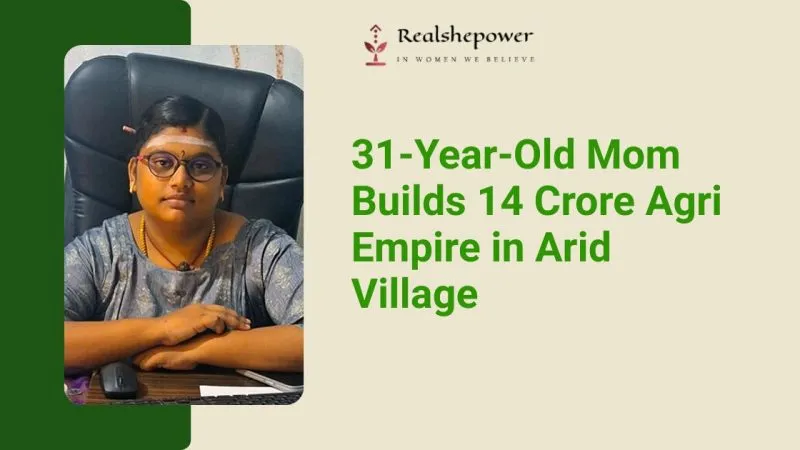
In the parched, rainfed expanses of Thoothukudi district in Tamil Nadu, where farming is a gamble against erratic monsoons, Bavithra Jagatheshkumar stands as a beacon of determination. At just 31 years old, this graduate from the College of Agri Technology in Theni has transformed a failing farmer producer company (FPC) into a thriving enterprise with a revenue of 14 crores and profits around 25 lakhs. As the CEO of Vilathikulam Pudur Pulses Producer Company (VPPPC), Bavithra embodies the grit required to navigate caste dynamics, gender prejudices, and economic vulnerabilities in rural India.
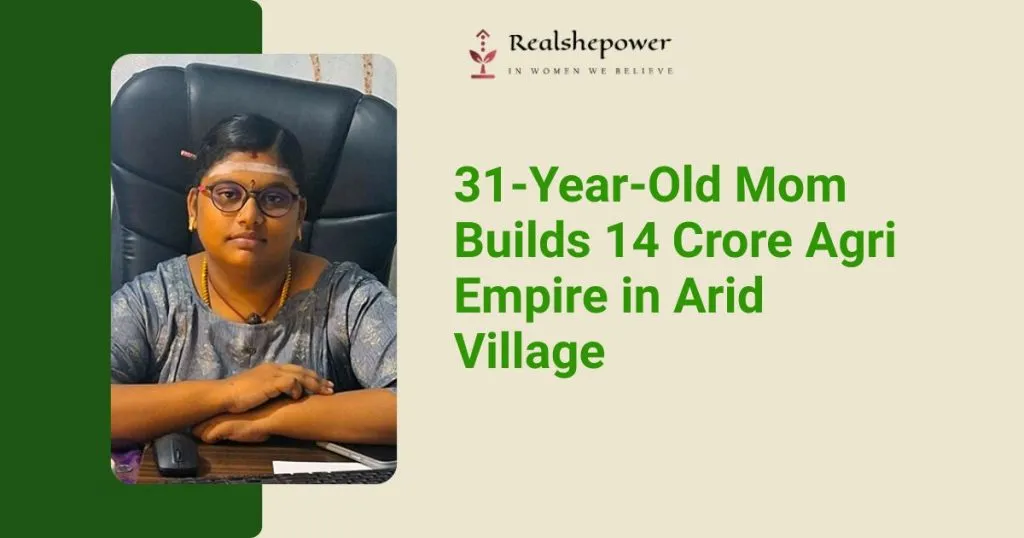
Bavithra’s journey began in 2019 when she took the helm of VPPPC, a social enterprise hybrid between a cooperative and a private limited company, promoted by the Tamil Nadu agricultural marketing department under the National Agricultural Development Programme (NADP) in 2016. At the time, the company was on the brink of collapse—no income, only 823 members, and two employees unpaid for six months, ready to quit. Undeterred, Bavithra dipped into her own savings to clear most of their dues and convinced them to stay. She then embarked on an exhaustive outreach, visiting 61 villages to meet farmers personally.
“I explained how the company could improve their livelihoods and sought their cooperation,” she recalls.
Her efforts paid off: membership surged to 1,500 shareholders, primarily pulse producers in an arid region reliant on dryland crops like chilli, coriander, pulses, lime, and millets.
The challenges were multifaceted. As a woman from the Thevar community leading a group dominated by Kambalathu Nayakars (a most backward class), Bavithra faced caste-based skepticism.
Male farmers often dismissed her with patronizing remarks like, “What does this papa [girl child] know about farming?”
➡️ Click here to continue reading
2. Chayaa Nanjappa: From Hotel Front Desk to a 12-Crore Honey Empire with Nectar Fresh
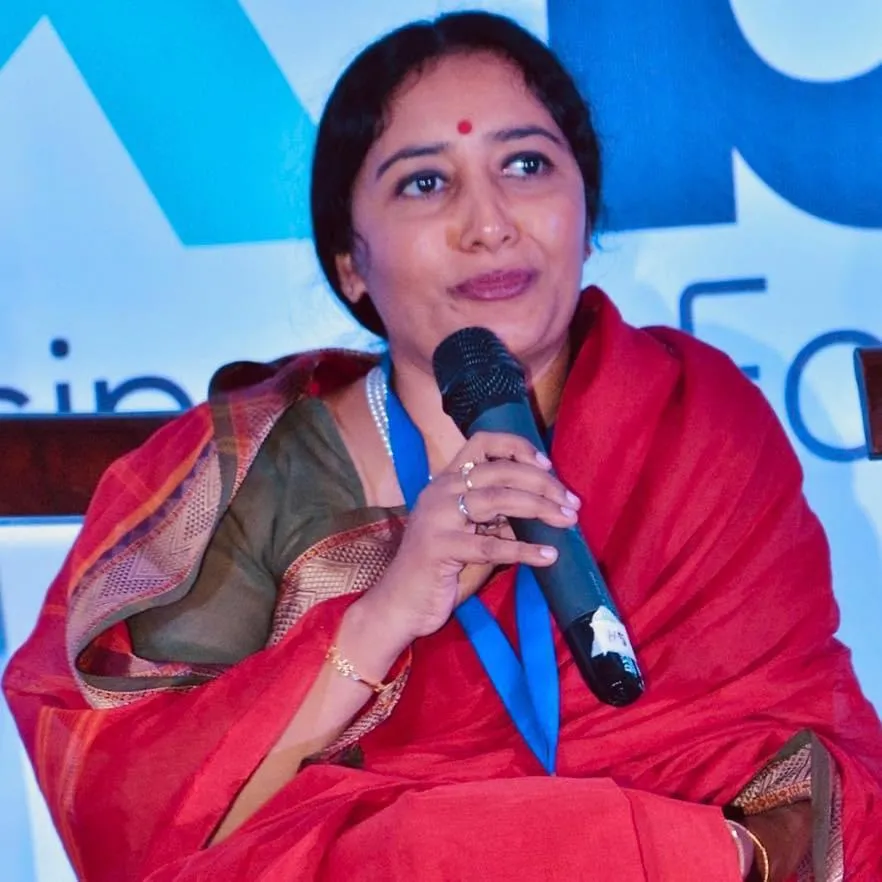
In the misty hills of Kodagu (Coorg), Karnataka, where coffee plantations and forests teem with natural bounty, Chayaa Nanjappa has built a premium brand that captures the essence of rural purity. As the founder and managing partner of Nectar Fresh, Chayaa has scaled her honey and food processing business to an annual turnover of 10-12 crores, starting from humble beginnings with just 2 lakhs in capital. At 43 in 2015 (now in her early 50s), this first-generation entrepreneur exemplifies how indigenous knowledge and perseverance can create global markets for rural products.
Chayaa’s early life was rooted in Coorg’s agrarian culture. Born in Nalkeri as the only daughter of a coffee-planter father and a headmistress mother, she stopped formal education after Class 12 due to family circumstances. Moving to Bengaluru, she joined the front office of The Chancery, a five-star hotel, where her innate hospitality skills shone.
However, her passion lay in Coorg’s spices, coffee, and honey. In 2006-07, she pursued a course at the Central Bee Research and Training Institute (CBRTI) in Pune, learning honey processing and preservation. Armed with this expertise, she launched Nectar Fresh in 2007 with 10 lakhs from her mother’s savings, 8 lakhs from selling her jewelry, and a 10-lakh bank loan, supported by the Khadi and Village Industries Board.
The initial setup was a modest processing unit in Bommanahalli..
➡️ Click here to continue reading
3. Yeshoda Karuturi: Blooming a 12.7-Crore Floral Revolution with Hoovu Fresh
From the rose farms of Ethiopia to the puja rooms of Indian homes, Yeshoda Karuturi’s journey is one of global vision meeting local tradition. Alongside her sister Rhea, Yeshoda founded Hoovu Fresh in 2019, turning a fragmented floral market into a streamlined, innovative supply chain with a turnover of 12.7 crores as of March 2025. Featured on Shark Tank India Season 2, this Bengaluru-based venture addresses the 40% wastage in India’s 481,907-acre traditional flower industry, empowering rural growers while delivering fresh blooms to urban consumers.
Yeshoda, born in 1994, holds a Master’s in Accounting and a Bachelor’s in Business Administration from Washington University in St. Louis. Rhea, her sister, graduated from Stanford with a focus on Science, Technology, and Society. Growing up on their family’s floriculture farms—Karuturi Global, once the world’s largest rose producer with operations in India, Ethiopia, and Kenya—the sisters imbibed agriculture early. Yeshoda served as Executive Director at Karuturi, building a machinery rental business in Ethiopia, while Rhea contributed during breaks, gaining media experience at outlets like Times of India.
Spotting gaps in India’s traditional flower market (jasmine, marigold, chrysanthemum, bud roses for rituals), they launched Hoovu to modernize it. The supply chain was chaotic: 36-48 hour delays from harvest to customer led to high wastage. Hoovu partners with farms to cut this to 12-24 hours, using innovative packaging that extends shelf life 2-5 times. Products include flowers for daily prayers, hair adornment, and decor, delivered fresh via tech-enabled logistics.
Challenges included fragmentation, lack of cold chains, and scaling in a perishable market. The 2020 Techstars Bangalore Cohort provided mentorship, and Shark Tank India brought national recognition, securing 1 crore for 2% equity from Peyush Bansal. Hoovu now services 150,000 monthly orders across Bengaluru, Hyderabad, Mumbai, and Delhi, with expansions planned.
Achievements: 12.7-crore turnover, reduced wastage, and farmer empowerment through better prices and tech. Yeshoda’s story shows how women can disrupt agri-supply chains, blending heritage with innovation for sustainable growth.
4. Aishwarya Bhatnagar Rastogi: Nourishing India with 14-Crore Biofortified Staples at Better Nutrition
In a nation grappling with “hidden hunger” where staples have lost up to 70% nutrient density Aishwarya Bhatnagar Rastogi and her husband Prateek have pioneered Better Nutrition, India’s first biofortified food brand. With a revenue jump from 80 lakhs to 14 crores in a year, this Lucknow-based agro-tech startup, featured on Shark Tank India Season 4, focuses on naturally nutrient-rich grains grown via superior seeds and practices.
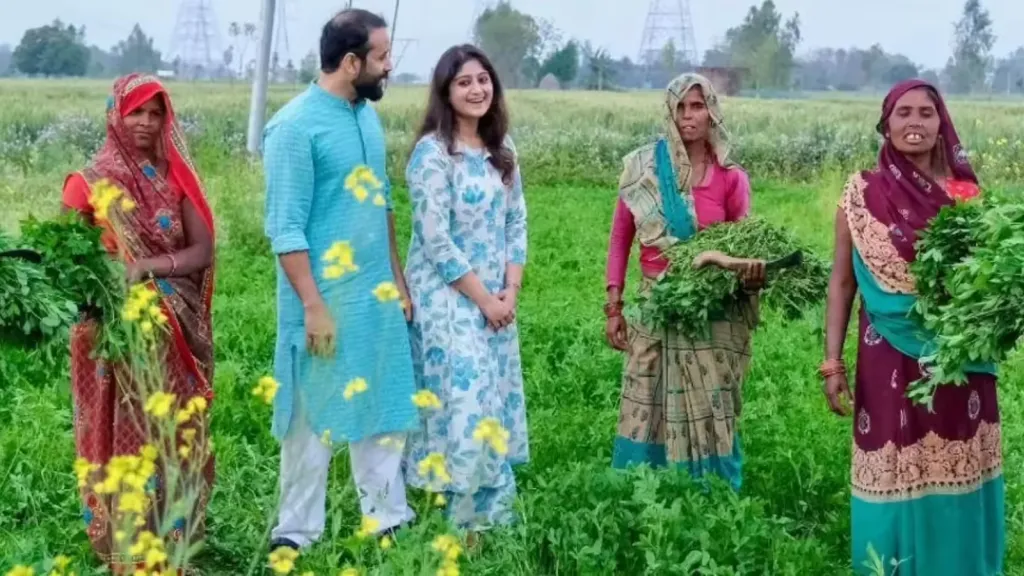
Aishwarya, co-founder, brings a fresh perspective to the couple’s mission. After their 2017 wedding, Prateek convinced her to spend two years in a village studying agriculture. This “honeymoon” immersion led to Greenday (B2B) and Better Nutrition (D2C), launched to combat nutrient deficiencies. Products include atta, rice, millets, and dals with 2x iron, zinc, calcium, and protein—verified in India’s first XRF nutrient lab for safety and traceability from 20,000+ farmers.
Challenges: Convincing farmers to adopt biofortification, building supply chains, and scaling post-Shark Tank (60 lakhs for 1% equity, valuing at 60 crores). A 5x revenue surge followed, with 10x website traffic and 25,000+ orders on platforms like Blinkit.
Achievements: 14-crore turnover, endorsements from PV Sindhu and Pankaj Bhadouria, 3x growth in revenue/valuation, and a 100-crore FY27 target. Aishwarya’s role highlights women driving sustainable nutrition solutions in rural agri.
5. Manjari Sharma: Pickling Prosperity for Rural Women with FarmDidi’s 18-Crore ARR
In Maharashtra’s villages, where women’s traditional recipes hold untapped potential, Manjari Sharma co-founded FarmDidi in 2022 with Anukrit Johari and Asmita Ghodeshwar. This D2C pickle brand, famous from Shark Tank India, empowers 2,000+ rural women by turning their homemade preserves into market products, achieving an 18-crore Annual Recurring Revenue (ARR) while fulfilling 30,000 monthly orders.
Manjari’s vision: Provide chemical-free, traceable pickles while generating livelihoods. Starting with 10 lakhs, FarmDidi trains women in sustainable farming and production, helping them earn 5,000-10,000 monthly. Shark Tank secured 1 crore for 10% equity, valuing at 10 crores.
Challenges: Scaling women’s collectives, logistics for perishables, and competing in D2C. Post-funding (7 crores in 2025 led by Samved Ventures), they aim for 5,000 women and national expansion.
Achievements: 18-crore ARR, empowered 2,000 women, and a model for rural economic inclusion. Manjari’s enterprise proves agri-food can be women-led and profitable.
Conclusion: The Ripple Effect of Rural Women Powerhouses
These five entrepreneurs—Bavithra, Chayaa, Yeshoda, Aishwarya, and Manjari—represent the untapped potential of India’s rural women. With turnovers over 10 crores, they have created jobs, reduced wastage, enhanced nutrition, and preserved traditions, all while overcoming biases and resource constraints. Their stories, amplified by platforms like Shark Tank, inspire a new generation. As India marches toward a 5-trillion economy, investing in such women will accelerate inclusive growth. Their success isn’t just measured in crores but in transformed lives and sustainable futures.