The Marital Home Remains India’s Most Dangerous Place
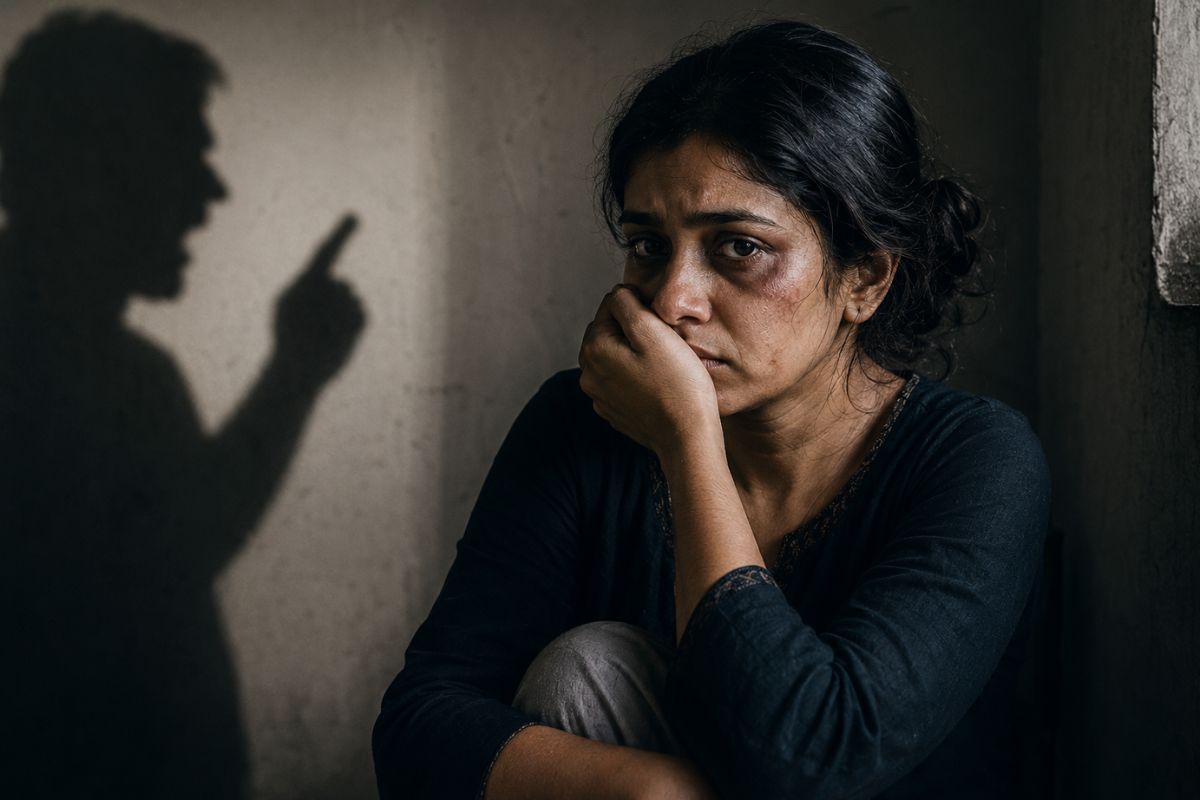
Crimes against women in India in August 2026 (so far, up to ~23 August) continue a familiar and grim pattern: domestic violence, alleged dowry-related killings, property disputes turning fatal, and assaults on pregnant women. These are drawn from police reports, post-mortem findings, FIRs under the Bharatiya Nyaya Sanhita (BNS), and National Commission for Women (NCW) suo motu cognizance. No official monthly national tally exists yet (NCRB data is annual), so the focus is on verified, reported cases. Under-reporting remains widespread, especially for domestic violence.
Documented cases (August 2026)
Nasreen (32), Meerut/Rampur area, Uttar Pradesh (intervening night of 14 August)
Married for ~13 years with five children. Alleged that her husband Israr (alias Guddu) administered electric shocks to her body, including private parts, after she refused to sell/surrender her share of ancestral property (registered in the names of her father’s seven daughters). Post-mortem confirmed death by electrocution with multiple burn injuries. FIR registered; husband arrested; father, sisters, and brothers-in-law named and mostly absconding. NCW took suo motu cognizance, sought swift investigation, arrests, evidence preservation, victim compensation, and protection/counselling for the five children.
Sapna Saroj (26), Bhadohi, Uttar Pradesh (night of 10 August)
Two months pregnant (third pregnancy). Alleged brutal assault by husband Rakesh Kumar Saroj and mother-in-law Rita Devi (brother-in-law also named), causing serious injuries and miscarriage. She was left unconscious and bleeding on a roadside in Gosai Bazar around 4 a.m. Husband allegedly suspected her character for years and refused to accept the children/pregnancy. FIR under BNS Sections 89 (causing miscarriage without consent), 85 (cruelty), 351, 352, 115, etc. NCW took suo motu cognizance, demanding arrests, medical care, counselling, compensation, and protection.
Goldi (28), Ballia, Uttar Pradesh (around 13–14 August)
Married since 2021. Family alleged years of physical and mental harassment over insufficient dowry (despite earlier payments including for a vehicle). She reportedly called her maternal family the day before saying her in-laws planned to kill her. Found dead; husband Rakesh Kumar Yadav and mother-in-law Isravati Devi arrested. Case under BNS Sections 85 (cruelty) and 80 (dowry death) plus Dowry Prohibition Act.
Sagufta (25) and her 1.5-month-old son, Palwal, Haryana (around mid-August, reported ~21 August)
Both found dead (allegedly strangled; husband reportedly used her scarf). Family alleged renewed dowry harassment after the birth, including demand for an SUV, and prior assault. Eleven people booked, including in-laws. Husband allegedly left her at her parental home earlier.
Additional Bhadohi/nearby domestic violence and related cases
Multiple reports of women (including with young children) allegedly beaten and thrown out of matrimonial homes by in-laws while husbands worked elsewhere; FIRs registered for assault and related offences. Separate older dowry-death investigations saw arrests in the district.
Court action (Delhi, order dated 10 August, reported 17 August)
Husband and mother-in-law sentenced to 12 years rigorous imprisonment for the 2021 dowry death of pregnant wife Komal (plus concurrent terms for cruelty). Court noted the “scourge of dowry-harassment deaths is still prevalent” and that the offence claimed two lives (mother and unborn child).
These involve femicide/murder, dowry death (or related), domestic violence/cruelty, assault causing miscarriage, and property-related violence. Many fit the classic pattern of marital home abuse where the accused is a husband or in-laws.
Broader context (latest available data)
NCRB Crime in India 2024 (released 2026) recorded 4,41,534 cases of crime against women — roughly one FIR every 71 seconds. Cruelty by husband or relatives remains the largest category (~27%). Dowry deaths: ~5,737 in 2024. Rape cases: 29,536. The vast majority of rape accused are known to the victim. NFHS data continue to show far higher prevalence of spousal violence than police figures capture.
Laws exist (Dowry Prohibition Act, BNS provisions on cruelty/dowry death/miscarriage, Protection of Women from Domestic Violence Act, fast-track courts). Implementation, conviction rates, and social attitudes lag.
The unbroken pattern of private violence
August 2026 has already delivered its quota of horror: a mother of five electrocuted over land, a pregnant woman beaten into miscarriage and dumped by the roadside, a young wife murdered after warning her family she would be killed over dowry, and a new mother strangled alongside her infant. These are not anomalies. They are the predictable outcome of a system in which a woman’s body, labour, property, and fertility remain contested territory inside the marital home.
The numbers have barely moved in meaningful ways for years. Cruelty by husbands and relatives dominates the statistics because that is where most violence is concentrated — private, continuous, and often fatal only after prolonged harassment. Dowry has been illegal for over six decades; the demand simply rebrands itself as “gifts,” “expectations,” or vehicle purchases. Property inheritance rights for women exist on paper; enforcement can still cost a life. Pregnancy, far from offering protection, can become a trigger for suspicion, rejection, or lethal violence.
Police registration and NCW intervention are necessary but insufficient. Arrests happen after the fact. Conviction rates remain modest. Social stigma, economic dependence, and family pressure keep countless cases unreported. Fast-track courts and stronger BNS provisions help, yet the cultural permission structure that treats wives as disposable when they assert rights or fail to meet demands has not been dismantled.
India does not lack laws or commissions. It lacks consistent, zero-tolerance enforcement at the first sign of cruelty, genuine economic independence for women, and a societal refusal to treat domestic violence as a “family matter.” Every electrocution, roadside dumping, and dowry strangling is a policy and cultural failure measured in dead women and orphaned children. Until the private sphere is treated with the same seriousness as public crime, August’s cases will simply become next month’s statistics — and next year’s NCRB tables.
Suggested Reading
The Marital Home Remains India’s Most Dangerous Place
Five pieces on dowry deaths, enforcement gaps, and the quieter erosion inside marriages that never makes the NCRB data at all.
- 01 She Came Home In A Body Bag: The Unending Massacre Of India’s Daughters-in-Law→ Dowry Deaths
- 02 “Sorry, Mummy… I Can’t Take It Anymore.”→ Enforcement Gap
- 03 The Cost Of Being A Woman In India: Crime Cases, Data & Justice In 2026→ NCRB Data
- 04 An Unflinching Look At Chiraiya: Marital Rape In Indian Marriage→ Culture
- 05 Married But Lonely: The Hidden Epidemic→ Emotional Toll
If any part of this touches your own situation, Real Shee Power’s coverage includes contact points for the National Commission for Women and district legal aid services. You are not required to navigate this alone.