
How Colourism Destroys Indian Girls (And the Emotional Scars No One Talks About)
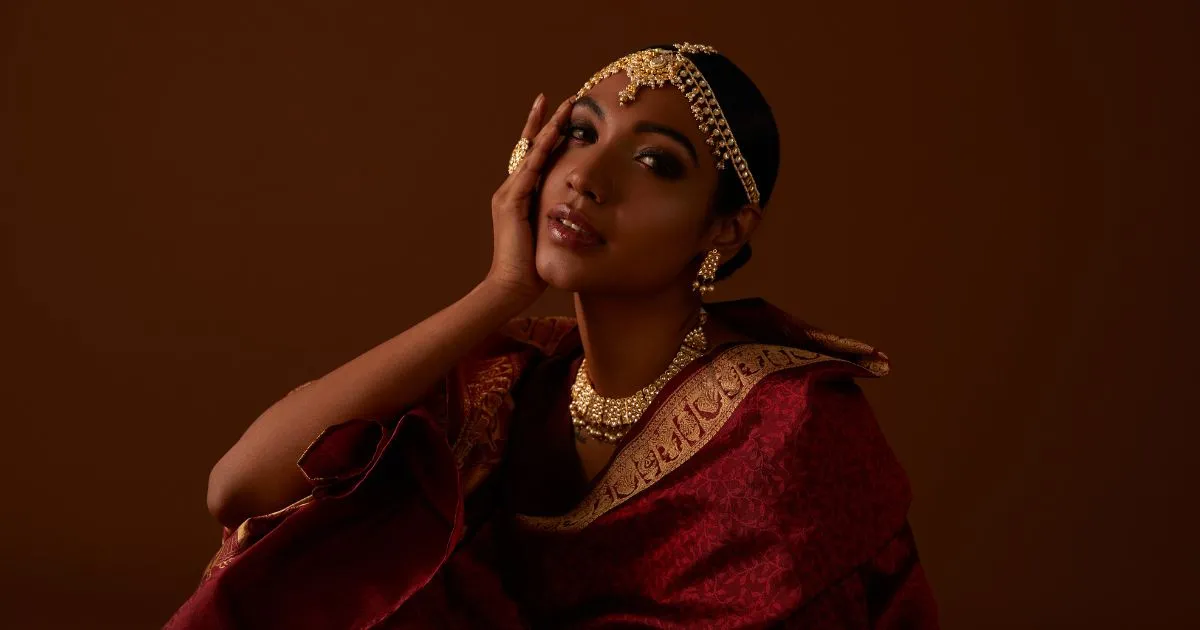
Colourism is not just a social problem. It is emotional violence. And Indian girls experience this violence before they even learn how to spell their own name. No one talks about it. No one apologizes for it. No one admits how deeply it scars a woman forever. So today, let’s talk. Let’s expose the truth India keeps brushing under its “fair & lovely” carpet.
Table of Contents
THE SILENT BEGINNING: When a Girl Learns Her Skin Is a Problem
An Indian girl doesn’t learn colourism from the world. She learns it from the people who love her the most.
- “Don’t play in the sun, you’ll get dark.”
- “Put haldi on her, she needs to look fair.”
- “Shaadi ke time kaun dekhega?”
- “Fair girls look more delicate.”
- “Dark skin looks dirty.”
These are not comments. These are wounds — small enough to hide, deep enough to destroy.
By age 6, most Indian girls have learned: Your skin tone decides your value. This is psychological abuse disguised as “concern.”
THE EMOTIONAL DAMAGE NO ONE SEES
Colourism doesn’t just hurt a girl in childhood. It shapes her entire personality.
Here’s how:
1. She grows up doubting her beauty
Every time she looks in the mirror, she sees a flaw others taught her to see.
2. She learns to compare herself constantly
To lighter-skinned cousins.
To actresses.
To filtered influencers.
Comparison becomes her second skin.
3. She becomes afraid of sunlight
Imagine fearing the sun because society fears dark girls.
4. She becomes obsessed with “fixing” herself
Fairness creams.
Facials.
Scrubs.
Home remedies.
Bleaching.
She tries everything except accepting herself.
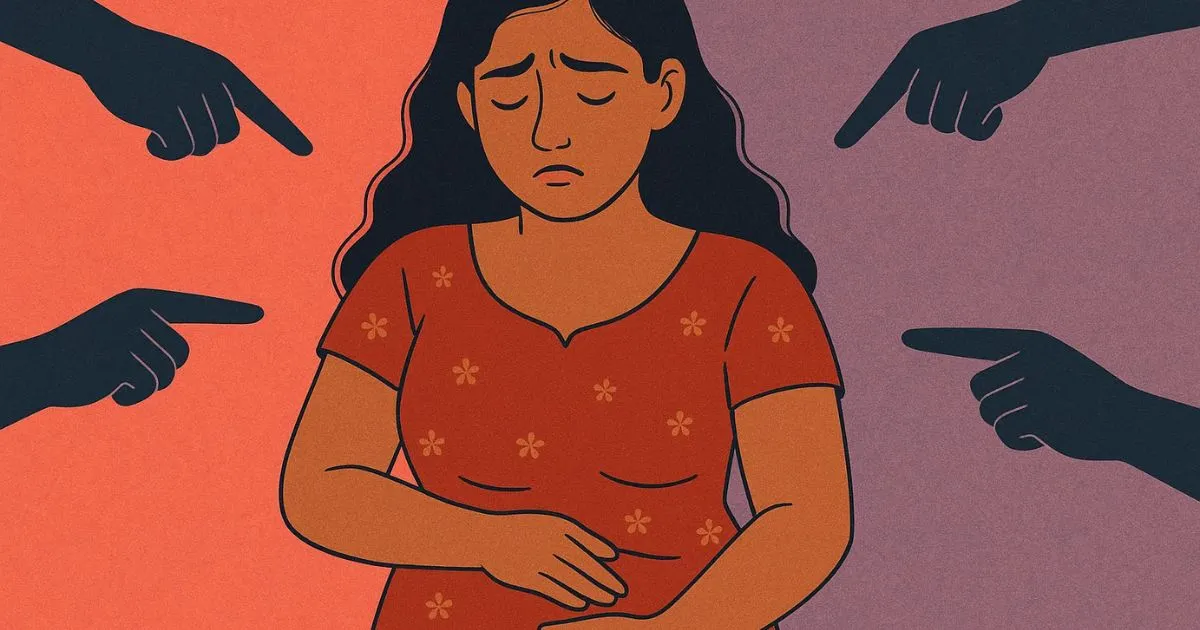
Why Indian Women Hate Their Bodies
A honest exploration of body-image pressures faced by Indian women — from social expectations to cultural narratives — and how to reclaim self-love and confidence.
5. She questions whether she deserves love
“Will anyone choose me?” This question haunts millions of Indian women silently.
6. She apologizes for her own existence
She hides in photos, avoids bright colors, and shrinks herself to meet someone else’s beauty expectations. This is not insecurity. This is trauma.
WHERE DOES THIS OBSESSION COME FROM?
1. Colonial hangover
The British left, but their colour bias stayed in Indian minds like poison.
2. Bollywood
For decades, heroines = fair. Vamps, servants, side characters = dark.
Unspoken message: Fair = desirable. Dark = disposable.
3. Matrimonial culture
Shaadi ads literally say “fair girl needed.” Not educated. Not kind. Not skilled. Just “fair.”
Imagine the psychological damage.
4. Beauty products industry
Fairness creams made billions by telling girls something was “wrong” with them.
THE DARK SKIN TAX: THE PRICE INDIAN GIRLS PAY
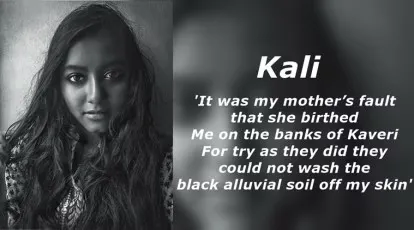
Indian girls pay a price for simply existing in their own skin:
- Less love
- Less admiration
- Less confidence
- Fewer compliments
- More criticism
- More rejection
- More invisibility
Women are punished for a genetic trait they did not choose. It’s cruelty, disguised as “beauty preference.”
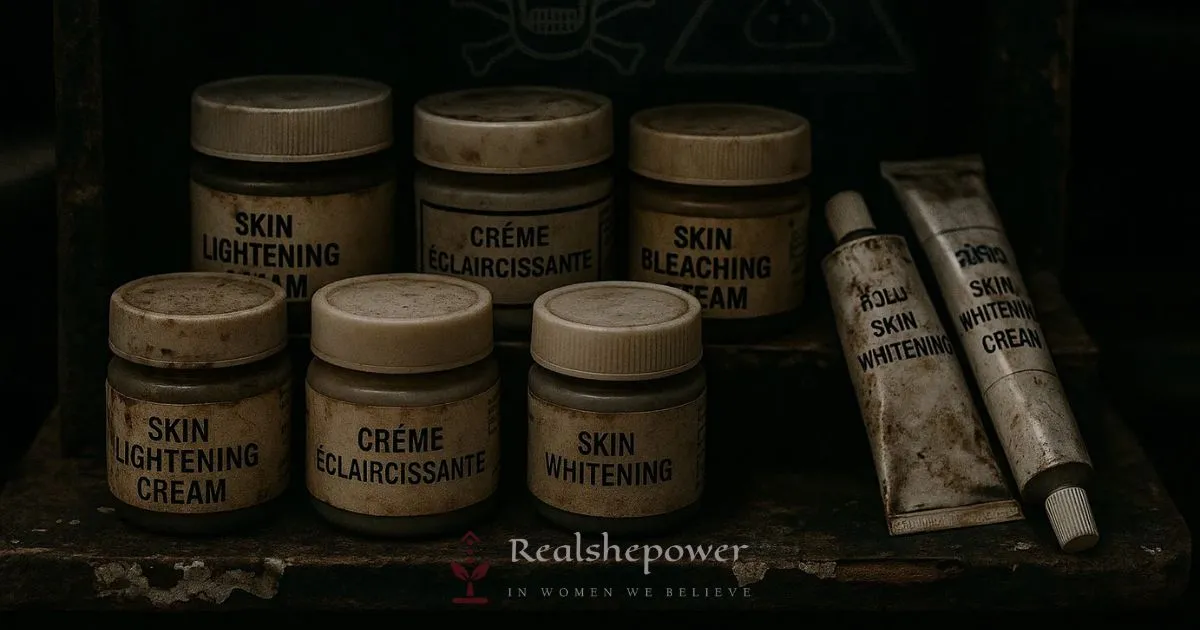
Dangers Lurking in Skin-Lightening Products
A critical look at the hidden health and psychological risks behind skin-lightening products — and why embracing natural skin and self-love matters more than harmful beauty standards.
HOW TO BREAK THIS CURSE (A GUIDE FOR EVERY INDIAN WOMAN)
You can’t fix society overnight. But you can fix the part of society living inside your head.
Here’s how:
1. Unlearn everything they taught you about “fairness”
Fair is not superior.
Dark is not inferior.
Both are simply skin.
What society calls “beauty” is actually conditioning.
2. Stop bleaching yourself to fit someone else’s fantasy
Your skin tone is not a problem.
Bleaching it is.
Bleach harms skin.
Colourism harms identity.
3. Wear every colour they said “isn’t for dark girls”
Yellow.
Red.
Hot pink.
Neon.
White.
Your skin doesn’t clash with anything. Their mindset does.
4. Follow dark-skinned influencers who celebrate their beauty
Who you see shapes who you believe you can be.
Representation heals.
5. Speak back to relatives who comment on your skin
You don’t need to be rude. Just firm.
“Please stop commenting on my skin tone.”
“This is not acceptable.”
“My skin is not your business.”
Yes — say it.
It works.
6. Compliment other dark-skinned women
Healing becomes faster when women heal each other.
THE BIGGEST TRUTH:
Colourism has never been about beauty.
It has always been about control.
When a woman loves her natural skin,
she becomes impossible to manipulate, shame, or silence.
No society wants women that powerful.
But we choose power anyway.
FINAL MESSAGE
To every Indian girl who felt unseen, unwanted, or “less than” because of her skin:
You are not the problem. The system is.
Your melanin is strength.
Your skin is heritage.
Your shade is beautiful.
Your existence is rebellion.
Walk into every room like your skin is your crown — because it is.

How to Overcome Insecurity
Practical advice and mindset shifts to help you build self-confidence, quiet self-doubt, and step into your power with clarity and self-assurance.
Loved this? Follow RealShePower where strong women come to get even stronger.







)