Gang-Raped By 14 For 2 Years: A Teen’s Nightmare In Andhra Pradesh
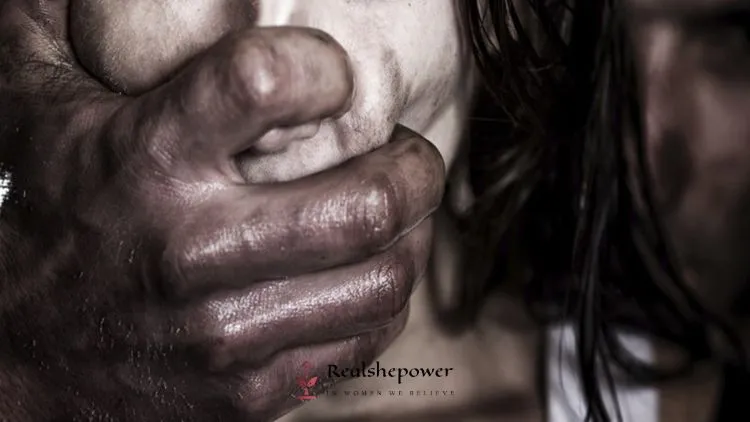
In a heart-wrenching case that exposes the deep-seated vulnerabilities faced by women and minors in India, a 15-year-old Dalit girl from Andhra Pradesh’s Ananthapur district was subjected to unimaginable horror—sexually assaulted by 14 men over two years, resulting in her being eight months pregnant. This case, reported on June 21, 2025, by NDTV, underscores the systemic failures that allow such atrocities to persist and the urgent need for societal and institutional reform to protect women and girls.
The victim’s ordeal began when she was just 13, in Class 8, a time when a child should be safe in school and nurtured by her community. Instead, her vulnerability was exploited. According to the police report, the abuse started when an accused individual photographed her with a classmate, using the images to blackmail her. Threats of leaking the photos and videos on social media coerced her into silence, while the perpetrators filmed their assaults, further weaponizing the recordings to perpetuate the abuse. Over two years, 14 men, including a minor and his father, preyed on her, exploiting her youth, caste, and socioeconomic status.
The crime came to light only in June 2025, when the girl’s pregnancy became undeniable, and her mother approached the police. By then, she was eight months pregnant and receiving treatment at a government hospital in Ananthapur. The delay in reporting reflects not only the fear and stigma surrounding sexual violence but also the failure of local systems to detect and intervene. As Superintendent of Police V. Ratna noted, “Her class teacher did not even report that she had dropped out of school,” highlighting the negligence of those responsible for her welfare.
Related Article

Sexual Harassment Laws in India
A comprehensive guide to India’s legal protections against sexual harassment — understand your rights, key laws, and how to seek justice.
📖 Read MoreThe police have arrested 17 individuals, including one minor, under the Protection of Children from Sexual Offences (POCSO) Act, the Scheduled Castes and Scheduled Tribes (Prevention of Atrocities) Act, and sections of the Bharatiya Nyaya Sanhita (BNS). While the arrests are a step toward justice, they do little to erase the trauma inflicted on the survivor or address the broader societal issues that enabled this crime.
This case is a stark reminder of the intersectional vulnerabilities faced by Dalit women and girls in India. The victim’s caste, poverty, and lack of familial support—her father passed away three years ago—made her an easy target for predators. As SP Ratna observed, “It was her young age, vulnerability, and caste because of which the men could prey on and exploit her for two years.” The silence of the community, including locals who failed to alert authorities despite noticing her pregnancy, further compounds the tragedy.
The incident has sparked outrage on social media, with voices like singer Chinmayi Sripada expressing anguish: “I cannot get over this. 14 men in Andhra raped a 15-year-old over 2 years… I pray and wish wholeheartedly that the society that creates such rapists burns to ashes.” Such sentiments reflect a growing frustration with the persistence of gender-based violence in India, where cases of rape and gang rape continue to surface with alarming frequency.
This is not an isolated incident. Similar cases, such as the rape of a 13-year-old in Uttar Pradesh in September 2024, point to a disturbing pattern of systemic apathy and institutional failure. The Andhra Pradesh case also draws parallels with the broader issue of crimes against women, where survivors often face stigma, delayed justice, and inadequate support. Despite legal frameworks like the POCSO Act and SC/ST Atrocities Act, implementation remains weak, and societal attitudes often shield perpetrators while shaming victims.
Related Article
Punishments Under the Nirbhaya Act
Explore the legal repercussions under India’s Nirbhaya Act — key punishments, their impact on society, and the fight for justice.
📖 Read MoreThe response from authorities, including Andhra Pradesh Chief Minister Nara Chandrababu Naidu’s expression of anguish, is a start, but words alone are insufficient. The state and central governments must prioritize strengthening child protection systems, ensuring mandatory reporting by schools and communities, and providing comprehensive support for survivors, including medical, psychological, and legal aid. Awareness campaigns to destigmatize reporting sexual violence and educate communities about consent and child rights are equally critical.
As the survivor navigates her trauma in a hospital ward, surrounded by expectant mothers, her story is a clarion call for change. India cannot continue to fail its women and girls. Justice for this 15-year-old must go beyond arrests—it demands a reckoning with the societal and systemic failures that allowed her to suffer in silence for two years. Only through collective action, robust policy enforcement, and a cultural shift that values and protects its most vulnerable can we hope to prevent such horrors in the future.
Related Article
Legal Reforms for Crimes Against Women in India
Explore the ongoing legal reforms shaping India’s fight for women’s safety — laws, loopholes, and the need for change.
📖 Read More