India’s 2025 Women’s World Cup Triumph: A Victory for Equality in Cricket
The Indian women’s cricket team has done it. On November 2, 2025, in front of 45,000 roaring fans at Navi Mumbai’s DY Patil Stadium, Harmanpreet Kaur’s squad defeated South Africa by 52 runs to claim the ICC Women’s ODI World Cup for the first time. This is not just a sporting achievement. It is a cultural earthquake that demands we rethink the place of women in cricket and in Indian society.
For too long, women’s cricket has lived in the shadow of the men’s game. Talented, dedicated, and fiercely competitive, the women have delivered heartbreak after heartbreak: runners-up in 2005 and 2017, semi-final exits that left the nation gutted. Yet this time, after stumbling early with three straight losses, they rose. They chased down 341 against Australia in the semi-final, powered by Jemimah Rodrigues’ unbeaten 127, and then dominated the final with Shafali Verma’s explosive batting and Deepti Sharma’s five-wicket haul. This was no fluke. This was destiny earned through grit.
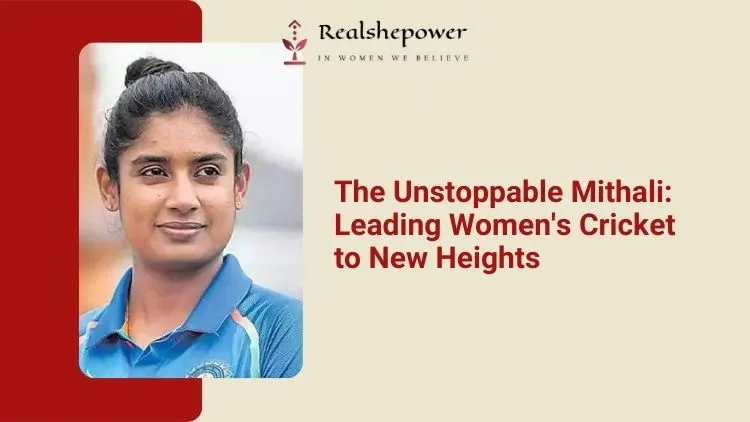
Harmanpreet Kaur now stands alongside Kapil Dev, MS Dhoni, and Rohit Sharma as a World Cup-winning captain. Her leadership was calm, decisive, and visionary. When she lifted the trophy, tears in her eyes, she spoke for millions: “This is for every girl playing on the streets, dreaming big.” And she is right. This victory is personal. It is political. It is proof that investment in women’s sports pays off, not just in medals, but in dignity.
The numbers tell part of the story. The ICC prize pool jumped 297 percent to USD 13.88 million. India takes home USD 4.48 million, plus a BCCI bonus of Rs 51 crore. These women are now crorepatis. But money is only the beginning. What matters is visibility, infrastructure, and respect. Stadiums were packed. Television ratings soared. Little girls across the country saw themselves in Shafali, Deepti, and Jemimah. That is the real prize.
Critics will say cricket is still a man’s world in India. They are wrong. This win exposes the lie. When the BCCI invests in domestic leagues, when state associations build proper training facilities, when media gives women’s matches prime slots, change follows. We are witnessing it now. Registrations for girls’ cricket programs are surging. Coaches report more parents encouraging daughters to play. This is how culture shifts: one boundary, one wicket, one victory at a time.
But let us not be complacent. One World Cup does not erase decades of neglect. Bilateral series remain uneven. Pay parity is still a work in progress. Coaching and umpiring roles for women are too few. The BCCI and ICC must double down. Use this windfall to fund academies in small towns. Broadcast more matches. Create pathways from maidans to international arenas. Anything less would be a betrayal of this team’s legacy.
Prime Minister Modi called it a “spectacular win” built on “teamwork and tenacity.” He is correct. But leadership must now match rhetoric with action. This is not the time for celebration alone. It is the time for commitment.
To every policymaker, sponsor, and cricket administrator reading this: the women have delivered. Now deliver for them. Build the pitches. Fund the tours. Tell their stories. Because when women win in cricket, India wins.
This World Cup belongs to Harmanpreet, Deepti, Shafali, and the entire squad. But its impact belongs to every girl who now believes she belongs on the field. The trophy is in Mumbai. The future is in their hands.
What will it take to sustain this momentum for women’s cricket in India? Share your views below.