The Psychology of Magnetism: Why Confident Women Are Impossible to Ignore

Picture a woman walking into a room. She isn’t the youngest, the tallest or the one with the most expensive handbag. But conversations tilt towards her. People lean in when she speaks, and someone across the room is already wondering who she is.
What does she have?
Not a perfect face, because we all know beautiful people who somehow vanish in a crowd. Not a particular body, because magnetism shows up in every shape, size and age. What she has is a quiet, internalsettledness, and psychology has quite a lot to say about where it comes from.
This is the decoded version. For more on how women think, feel and navigate the world, bookmark the Women Psychology hub and the Real Talk section.
Table of Contents
Truth #1: Magnetism Is Mostly Nervous System, Not Wardrobe
Clothes help. Lipstick helps. Good lighting helps enormously. But what people actually respond to is howcomfortableyou seem in your own skin.
A woman who is relaxed, present and unhurried sends a signal:I’m okay here.A woman who is tense, apologising and scanning the room for approval sends the opposite one, regardless of how good she looks. Humans are very good at reading emotional states, often without realising it.
This is why a plain outfit worn with ease can outshine a stunning one worn with anxiety. It’s also why the quickest route to feeling more magnetic is oftencalming your body downrather than buying something new. Try a littlesilent walking before a big evening, no podcast, no scrolling, just you and your breath.
Truth #2: Everyone Is Too Busy Judging Themselves to Judge You
Psychologists call it thespotlight effect: our tendency to overestimate how much other people notice and remember about us. Experiments have shown that people consistently overestimate how much attention their outfit, a stumble or a bad-hair moment actually attracts.
That sauce stain? Barely registered. The thing you said at the party that’s been replaying in your head since Tuesday? Others forgot it by dessert.
There’s a liberating message buried in this: the audience is smaller and kinder than you think. It’s part of why women whostop caring about certain thingsas they grow comfortable with themselves become so much more appealing. They’ve simply stopped performing for a crowd that wasn’t watching.
Truth #3: Self-Compassion Beats Self-Criticism (Every Time)
We’re taught that a harsh inner critic keeps us sharp and attractive. Research on self-compassion, notably the work of psychologist Kristin Neff, suggests the opposite: people who treat themselves with kindness tend to be more resilient and more motivated, not less.
A woman who berates herself in the mirror carries that into every room. A woman who can say “I’m doing my best, and that’s enough” radiates a different energy entirely.
Practise thefriend test. When your inner voice says something cruel, ask:Would I say this to my best friend?If not, rewrite the line. For more, exploreBody Image,Depressionand the broaderMental Healthsection.
Truth #4: Desire Starts in the Mind
Sensuality isn’t something you put on. It’s something youfeel, and it’s heavily influenced by stress, sleep, body image, safety and how seen you feel in your life.
Many women find that desire dims when they’re exhausted, overloaded or resentful, and that’s not a personal failing. It’s a very human response to being overstretched. If you’ve been running on empty, check11 signs you are mentally exhausted, even when you look fineand the35 signs of burnout before it becomes a breakdown. Feeling sensual again may have less to do with lingerie and more to do withrest.
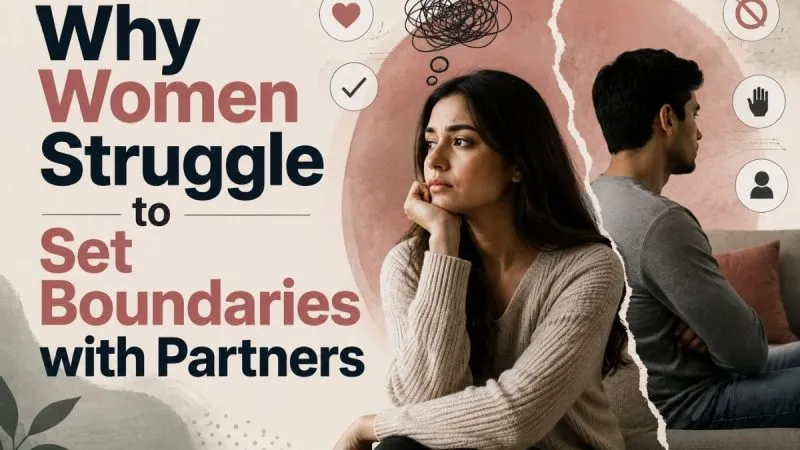
Add the invisible work to the pile: the planning, remembering, organising and emotional management that often falls disproportionately on women. Researchers call this themental load, and it’s a heavy bedfellow. If your partner is enjoying the benefits without sharing the labour, readShe’s Paying the Bills, and He’s Loving It: The Hidden Cost for Women. Resentment is a notorious mood-killer, and honest conversation is the cure.
For frank, practical conversations about intimacy, health and pleasure, theSex Talksection is the place to start.
Truth #5: Mystery Isn’t Playing Games, It’s Having a Life
There’s an old idea that women should be “mysterious,” usually followed by terrible advice about leaving texts unanswered for three days. That isn’t mystery. That’s tactics.
Real intrigue comes from having a rich inner and outer life: interests, friendships, ambitions, opinions, a favourite weird hobby. People are drawn to someone who isgoing somewhere, whether it’s a project, a passion or a plan for her own happiness.
So don’t hand your entire personality over to a relationship or a job. Keep your friendships, your goals, your solo trips and your curiosity alive. If you need a nudge, our guide tosolo travel for womenis a fine place to start. Few things make a woman more fascinating than returning from a trip she took entirely for herself.
Truth #6: Boundaries Are the Sexiest Accessory You Own
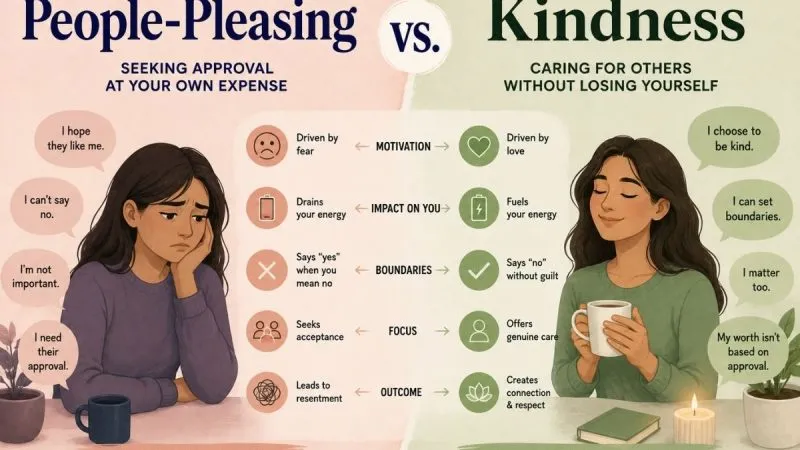
Here’s a little heresy: people-pleasing isn’t attractive. It might feel safe, but a woman who agrees with everything, says yes to every demand and swallows her preferences becomes strangely invisible.
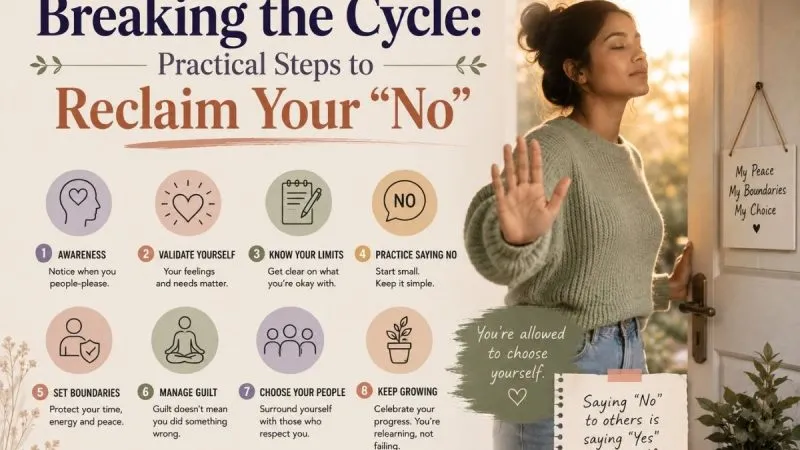
Clear boundaries communicate self-respect. They signal that you know your worth and expect others to honour it. And contrary to what you may have been told, you can hold them warmly.
You don’t need to over-explain. Read10 things emotionally mature women no longer explain to anyoneand practise a few go-to lines:
- “That doesn’t work for me.”
- “I’ll think about it and get back to you.”
- “No, thank you.”
- “I’m not available for that.”
If you ever find that someone punishes you for having boundaries, that’s information. In some cases, controlling behaviour can be a warning sign of something more serious. Learn aboutabuseanddomestic violenceso you can recognise red flags early. Charm and control are not the same thing, and you deserve safety first.
Truth #7: Imposter Feelings Don’t Mean You’re Faking
Many accomplished women quietly believe they’re one mistake away from being “found out.” Psychologists first described this as theimposter phenomenonin high-achieving women, and it’s still extremely common.
Here’s the twist: feeling like an imposter often shows upbecauseyou’re growing, stretching and trying new things. Beginners rarely worry about being exposed. Stretchers do.
Reframe the thought. Instead of “I don’t belong here,” try “I’m learning to belong here.” And collect evidence: write down your wins, your compliments, your finished projects. Your brain is a bad accountant and tends to forget the good entries.
For inspiration, read aboutRomita Mazumdar, who looked at India’s skincare shelf and saw a gap everyone else had missed,Air Vice Marshal Shakti Sharma, who scripted history as the highest-ranking woman officer in the Indian armed forcesandPabiben Rabari. None of them waited to feel ready. Browse the fullWomen Change Makershub for more proof.
Truth #8: The Comparison Trap Is Designed to Keep You Buying
Social media shows you everyone else’s highlight reel, edited, filtered and lit by professionals, and then asks you to compare it to your Tuesday-morning reality. The beauty and wellness industries have a vested interest in making you feel just inadequate enough to keep shopping.
It gets worse with technology that polishes you into someone else. ReadAI Can Make You Beautiful. What Happens When You Start Believing the AI Version?for a thoughtful look at what happens to self-image when the filtered version becomes the benchmark.
A few ways to reclaim your attention:
- Curate your feed. Unfollow accounts that leave you feeling worse.
- Follow people with different bodies, ages and backgrounds.
- Noticewhenyou feel the sting of comparison, then ask what you’re actually craving (rest? recognition? adventure?).
- Spend money intentionally. Skim10 skincare products you don’t actually needand thepink tax explainerbefore buying your next miracle cream.
Truth #9: Presence Is the Real Aphrodisiac
Few things are more attractive than someone who isfully therewith you. Not scrolling, not rehearsing her next line, not thinking about her to-do list. Present.
Listening with real curiosity, asking follow-up questions and remembering what someone told you last week makes people feel valued. And being valued is profoundly attractive.
Try this next time you’re in conversation: put your phone away, make soft eye contact and ask one genuine question beyond the polite script. You’ll be amazed at how magnetic simple attention is. If you’re single and curious about connection, browseDatingandRelationships. If you want honest guidance,Ask Shaktiand theAdvicetag are there for you.
Truth #10: Your Body Language Is Part of the Story (But Don’t Overdo It)
You may have heard that “power poses” can transform your confidence. The science here is contested. The hormonal claims popularised a few years ago haven’t held up well in replication attempts. But there’s still decent reason to think that posture affects how youfeeland how others perceive you.
So skip the superhero stance in the bathroom and try practical basics:
- Roll your shoulders back and lengthen your spine
- Slow your pace of speech and movement
- Take up space instead of folding yourself small
- Soften your face and let a real smile happen
- Hold eye contact a beat longer than feels comfortable
Think of it asrehearsingconfidence until it becomes natural. The body and mind listen to each other.
Truth #11: Adornment Is Self-Expression, Not Vanity
There’s nothing shallow about enjoying how you look. Putting on a favourite fragrance, wearing earrings that make you feel like yourself or choosing the dress that makes you stand a little taller is a form of self-expression and, for many women, a mood tool.
The psychology here is simple: when you dress with intention, you tell yourself you matter. That’s different from dressing for approval.
Use that power wisely. Learn the10 jewellery styling rules that instantly make an outfit look more expensive, avoid the10 handbag styling mistakesand explorePerfumefor scent as signature. If you love heritage fabrics, pieces likeauthentic Lucknowi chikankaricarry craft and story. Skip thebeauty habits that quietly make you look olderandthe beauty mistakes making you look more tired, and enjoyMakeupandSkin Careas play, not obligation.
Truth #12: Real Confidence Is Built, Not Born
Nobody wakes up magnetic. Confidence is a skill built through small, repeated acts of self-trust: keeping promises to yourself, trying things you’re not good at yet, recovering from embarrassment and learning that you can survive discomfort.
Look at the stories women share when they’re honest. OurConfessionssection is full of moments where ordinary women faced fears, regrets and turning points, and came out stronger. The feeling of coming back to yourself after a hard time is beautifully captured inHomecoming: The Feeling of Returning to a Place That Never Left Your Heart.
Confidence also grows from knowing your gut can be trusted. History has a terrific example:Stanislav Petrov trusted his gut over the machine. You don’t need a nuclear crisis to practise listening to your instincts. Start with small decisions and build.
A 7-Day Magnetism Reset
Not a makeover, a mindset experiment. Try one a day:
- Day 1: Audit your inner voice.Notice every harsh thought and rewrite three of them.
- Day 2: Say no once.Politely, without over-explaining.
- Day 3: Move your body for joy.Dance, walk, stretch. Not as punishment, as pleasure.
- Day 4: Dress for yourself.Wear the thing you’ve been saving for “a special occasion.”
- Day 5: Be fully present.One conversation, no phone.
- Day 6: Do something solo.A café, a gallery, a long walk. See how it feels.
- Day 7: Rest, properly.Sleep, slow, nourish. BrowseSelf-CareandPersonal Growthfor more ideas. Our25 classy and sassy life hacks every woman should knowadd a few small upgrades.
A Gentle Reality Check
Confidence isn’t constant. Hormones, stress, grief, illness, ageing and life events all affect how we feel about ourselves, and some days you’ll feel like a goddess while others you’ll feel like a crumpled receipt. That’s human.
If low self-worth, anxiety, low mood or difficulty with intimacy are affecting your daily life, please consider speaking to a qualified mental health professional or doctor. Therapy and medical support aren’t signs of weakness. They’re maintenance, like servicing a very valuable car. For physical factors, it’s worth reading aboutwhy women are diagnosed with thyroid disorders far more than men, since hormonal health can affect mood, energy and desire, and browsingWomen’s Health.
The Last Word
Magnetism isn’t a trick. It’s the natural result of a woman who has made peace with herself, tends to her own wellbeing, honours her boundaries, stays curious and refuses to shrink for anyone’s comfort.
You don’t need to become someone else. You need to becomemoreyourself, unapologetically, one choice at a time.
So wear the red lipstick. Order the dessert. Take the trip. Say the thing. Leave the room when it stops serving you. And remember: the most attractive thing in any room is a woman who knows exactly who she is.
Want to share your own story?Get featuredorwrite a guest postfor Real Shee Power. Got a question that needs straight talk?Ask Shakti.
FAQ
What makes a woman confident and attractive?
Attractiveness is subjective, but many people respond to qualities like warmth, presence, self-assurance and authenticity. Feeling comfortable in your own skin tends to show more clearly than any particular look.
How can I feel more sensual and confident?
Start with the basics: rest, movement, kind self-talk and clothes that make you feel good. Reduce comparison, set boundaries and spend time on things that make you feel alive. Stress and exhaustion often dampen desire, so addressing them helps.
What is the spotlight effect?
It’s a psychological tendency to overestimate how much other people notice us. Studies show we think others pay more attention to our appearance and mistakes than they actually do.
Is imposter syndrome common in women?
Yes. The imposter phenomenon was first described in high-achieving women and remains widespread. It isn’t an official diagnosis, but it’s a well-recognised pattern of self-doubt despite evidence of competence.
Do power poses really work?
Research is mixed. The claim that they change hormone levels hasn’t held up well, but posture can still influence how you feel and how others perceive you. Treat posture as one small tool, not a cure-all.
When should I seek professional help?
If low self-worth, anxiety, depression, trauma or relationship difficulties are affecting daily life, consider speaking to a therapist or doctor. Seeking support is a sign of strength.