
The Silent Cancellation: How Women Are Erased Without a Hashtag
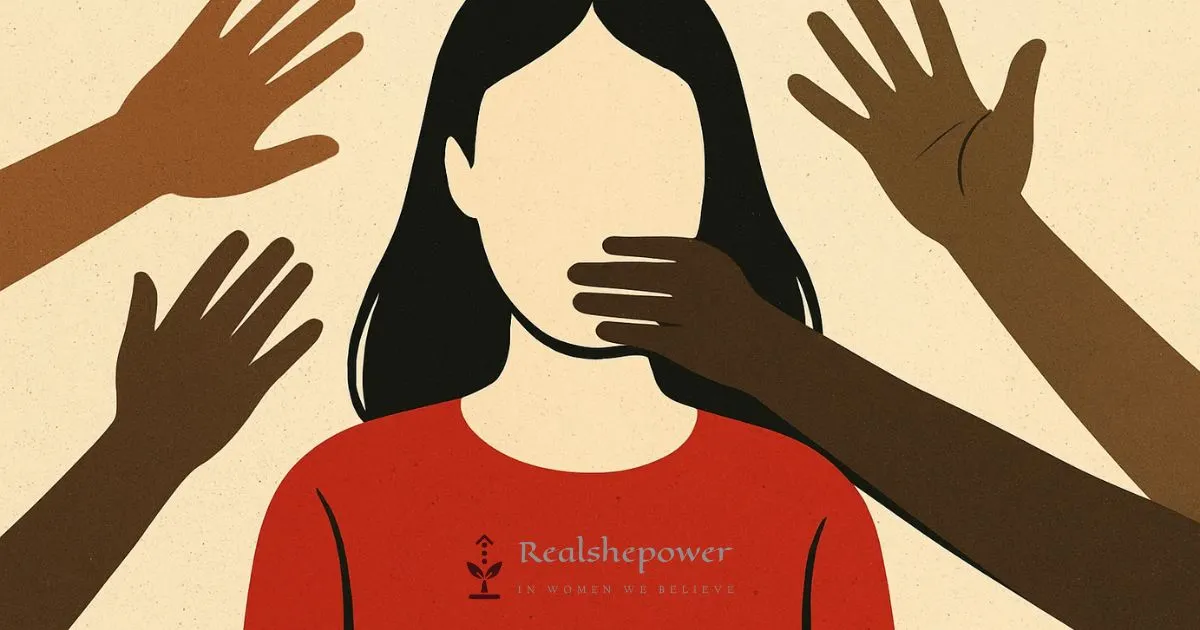
Cancel culture is often spoken about in loud, viral moments — public outrage, hashtags trending for days, headlines declaring reputations over. Yet there is another form of cancellation that is quieter, older, and far more personal. It is one that targets women with precision, leaving few fingerprints and even fewer witnesses.
It does not happen with hashtags. It happens in meeting rooms, over casual coffees, in messages never sent directly to the woman herself. It is not framed as cancellation, because the word sounds too public, too deliberate. Instead, it takes the shape of what many call “character assassination” — the slow dismantling of a woman’s credibility, authority, and voice, until she disappears from the space where she once stood.
Part One: The Unnamed Cancellation

The difference between cancel culture and character assassination is not simply one of degree, but of visibility. Cancel culture thrives on public spectacle; character assassination thrives on invisibility.
When a man is publicly cancelled, the outcry and debate are often part of the story. When a woman is quietly erased, there is rarely an announcement, rarely a chance for her to defend herself. Instead, colleagues notice she is “no longer involved.” Journalists mention she “stepped back for personal reasons.” The truth — that she was targeted — is buried under layers of polite phrasing.
This form of cancellation is not accidental. It is a deliberate, often coordinated effort to remove a woman from influence without the messiness of public confrontation. And it has been happening for centuries.
Part Two: The Human Cost of Being Erased
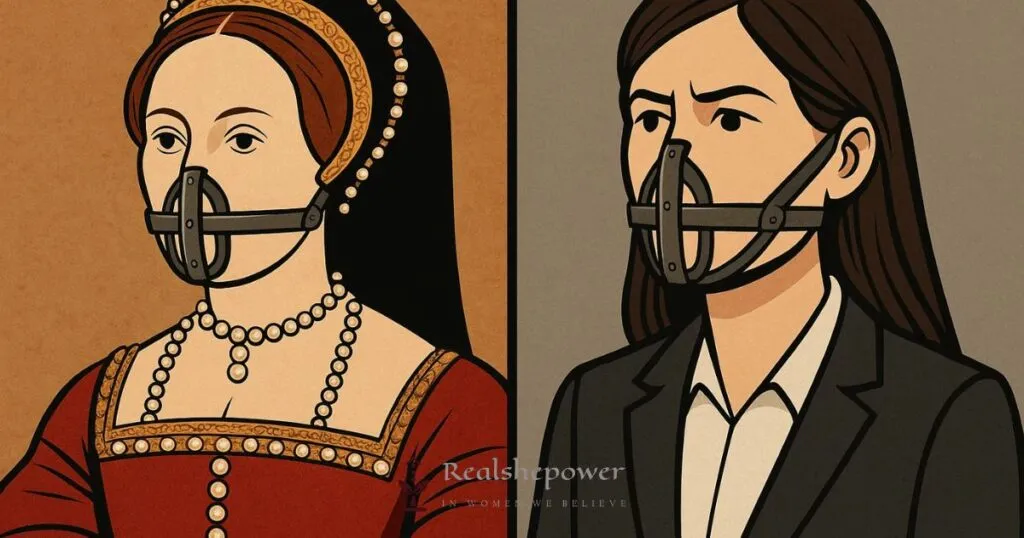
The public rarely hears what happens to women after their quiet removal from positions of influence. The toll is profound and multi-layered.
First, there is the professional cost. A woman’s work, once central to her career, is either rewritten or forgotten. The projects she initiated are attributed to others. Her achievements are reframed as team efforts, while her mistakes are magnified and remembered.
Then there is the personal cost. Losing a position is one thing; losing the narrative of your own life is another. When people believe you “brought it on yourself” or “couldn’t handle the pressure,” the wound cuts deeper. Friendships change. Invitations stop coming. And often, the woman in question is left wondering not only what happened, but how it happened so quietly and completely.
Finally, there is the cultural cost. Every woman who disappears from a position of influence without explanation becomes an unspoken warning to others: do not step too far out of line, or this could happen to you.
Part Three: The Playbook for Erasing Women
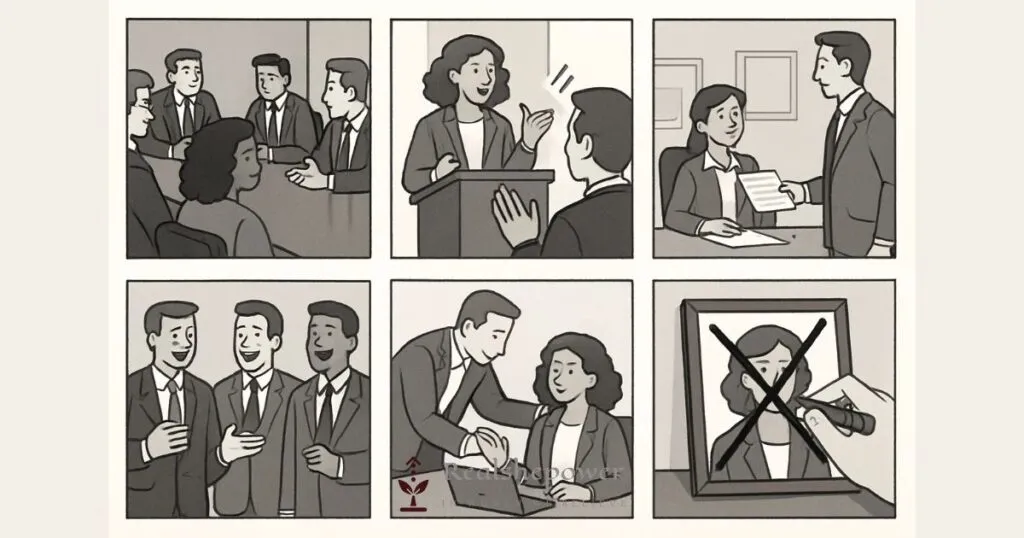
It rarely begins with an outright attack. Most takedowns start quietly, in conversations she is not part of, in rooms where her name is discussed as a problem to be solved rather than a leader to be supported. By the time she realises what is happening, the structure around her is already weakened.
The unspoken six-step method for erasing women from power has remained alarmingly consistent.
Step One: Plant the Seed of Doubt
It begins small — a comment about her seeming stressed, a suggestion she might be struggling. Harmless on the surface, these remarks take root. The next time she errs, the mistake is seen not as human but as proof of her decline.
Step Two: Make It About Her Personality, Not Her Work
Men are critiqued for results; women are critiqued for character. She is “too cold” or “too emotional.” None of these claims are provable, yet they are devastating because they are difficult to disprove.
Step Three: Use Isolation as a Weapon
She is excluded from decisions, meetings, and projects “for her own benefit.” The less she is seen, the easier it becomes to frame her as irrelevant.
Step Four: Rewrite Her Story While She Is Still Living It
Past successes are reframed as recklessness, assertiveness becomes aggression, delegation becomes avoidance.
Step Five: Let the Fall Look Natural
By now, the damage is self-sustaining. Her removal appears voluntary, even inevitable, as if she simply “wasn’t the right fit anymore.”
Step Six: Erase and Replace
Her name fades, her work is absorbed into the institution, and a “fresh start” is celebrated — often under new, male leadership.
Part Four: Breaking the Script
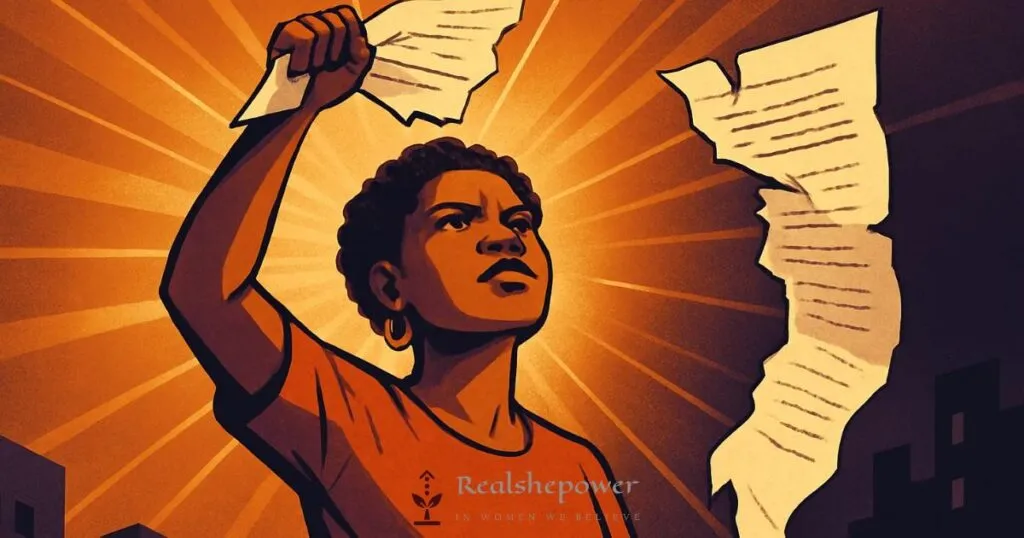
Knowing the playbook is only the first step. The real power lies in dismantling it.
Document Everything
Keep records, emails, meeting notes. Truth disappears quickly without evidence.
Build Networks Before You Need Them
Relationships beyond the immediate workplace can safeguard your reputation and ensure your story is told.
Control the First Public Narrative
Speak before others define your absence. The first version of events often becomes the accepted one.
Name the Pattern Out Loud
By linking your experience to a wider, historical pattern, you make it harder for the same tactics to be used on others.
Reclaim the Stage After the Curtain Falls
Losing one role does not mean losing your influence. Many women have gone on to build stronger, independent platforms.
Prepare the Next Generation
Teach other women to recognise the signs early. The ultimate disruption is making the playbook obsolete.
The Final Word
The silent cancellation of women is as dangerous as any viral takedown because it leaves no trace and no public debate. It rewrites history in real time, convincing the world that the woman’s absence is natural, even deserved.
But once we see it, we cannot unsee it. Once we name it, it loses its invisibility. The old script relies on silence; breaking it requires voices — loud, persistent, and unwilling to disappear.
We cannot stop every attack, but we can make sure no woman vanishes without her story being told in full. That is how the cycle ends.